

The Search for Authentic Flavors
For decades, the beverage industry relied on a predictable toolkit of artificial flavorings to create consistent and often exaggerated tastes. These lab-created compounds could make a drink taste like strawberry, lemon, or mint, but they often came with
a chemical aftertaste and a long list of unpronounceable ingredients. Today, consumers are increasingly turning away from these synthetic options. Driven by a desire for wellness and a more transparent food system, shoppers are scrutinizing labels and opting for products that derive their taste from real, recognizable sources. This growing movement has sent brewers and beverage makers back to nature's pantry, exploring roots, flowers, and herbs to deliver complex and satisfying flavors.
Hibiscus: A Splash of Tart and Crimson
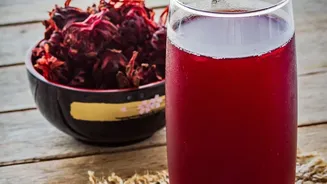
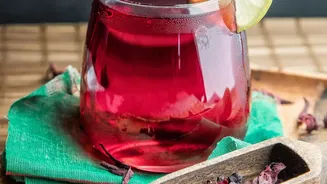
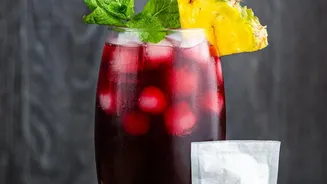
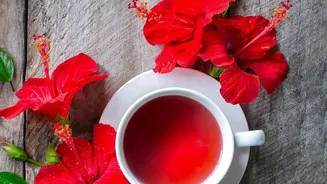
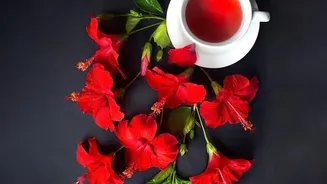
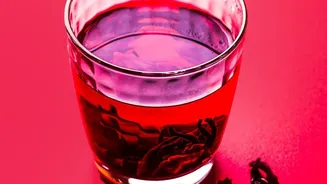
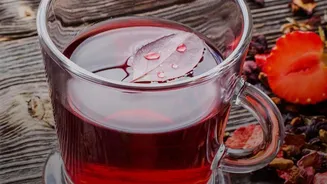
One of the brightest stars in the natural flavor world is the hibiscus flower. Made from the dried calyces of the Hibiscus sabdariffa plant, this botanical ingredient is celebrated for its vibrant, ruby-red hue and its distinctly tart flavor profile. Often compared to cranberry or pomegranate, hibiscus provides a sharp, refreshing fruitiness without the need for citric acid or other artificial acidulants. Its taste is bold and invigorating, offering a full-bodied floral tang that stands up well on its own or when blended with other ingredients. Beyond its taste, hibiscus imparts a brilliant, all-natural color, replacing synthetic dyes like Red 40. As a caffeine-free option rich in antioxidants, it aligns perfectly with the wellness-focused consumer.
Vetiver: The Scent of Summer Rain
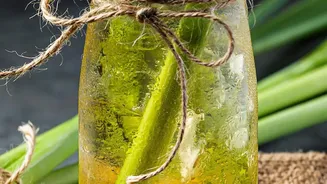
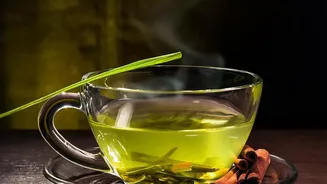
A more mysterious but equally compelling ingredient is vetiver, known in India as 'khus'. Unlike the floral brightness of hibiscus, vetiver offers a deep, earthy complexity. Derived from the fragrant roots of a perennial grass, its flavor profile is woody, smoky, and subtly sweet, often described as smelling like wet earth after the first monsoon rain. For centuries, khus has been used in India to create 'sharbat,' a traditional cooling drink perfect for scorching summers. In beverages, vetiver provides a grounding base note that adds incredible depth and sophistication. It delivers a cooling sensation and a lingering, aromatic finish that artificial flavorings simply cannot replicate. Its profile is a world away from one-dimensional sweetness, offering a more mature and contemplative drinking experience.
The Magic of the Slow Steep
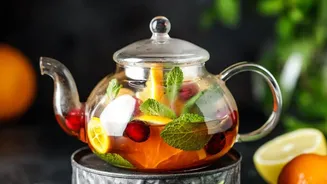
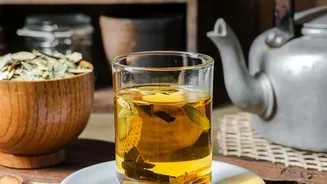
The method of extraction is just as important as the ingredients themselves. Slow steeping, often done with cold or cool water over several hours, is the ideal technique for delicate botanicals like hibiscus and vetiver. Unlike a quick, hot infusion that can scald leaves and release bitter tannins, a long, slow steep gently coaxes out the nuanced aromas and flavors. This patient process results in a smoother, cleaner, and more well-rounded beverage. It allows the tart, fruity notes of hibiscus and the earthy, woody character of vetiver to fully express themselves without any harshness. For producers of high-quality craft teas, slow steeping is a non-negotiable step that honors the integrity of the natural ingredients they so carefully source.