


Mastering Your Vegetables and Fruits
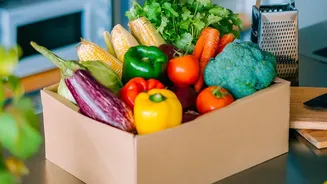
Leafy greens like spinach and cabbage, which grow close to the ground, are particularly susceptible to contamination from soil and dirty water during the monsoon. Before cooking, it's essential to wash all vegetables and fruits thoroughly under clean,
running water. For extra safety, especially with leafy greens, soak them in a bowl of water with a tablespoon of salt or a splash of vinegar for about 15 minutes. This helps dislodge dirt, germs, and tiny insects hidden in the folds. Always rinse them again with fresh water before chopping. Avoid pre-cut fruits and salads from outside vendors, as they may have been washed with contaminated water or exposed to the humid air for too long.
Handling Meat and Seafood with Care
The high humidity of the rainy season causes meat and seafood to spoil much faster. Purchase these items only from clean, reputable vendors and check for freshness. The best practice is to cook meat and seafood on the day of purchase. If you must store it, keep it in the coldest part of your refrigerator and use it within a day. To prevent cross-contamination, use separate chopping boards and knives for raw meat and other foods like vegetables. Store raw meat on the lowest shelf of the fridge in a sealed container to prevent its juices from dripping onto other food items. Always cook meat and poultry thoroughly until no pink parts remain, as proper heat kills harmful bacteria.
Checking Dry Goods: Grains and Spices
Moisture is the enemy of dry goods like atta (flour), rice, dals, and spices. High humidity can lead to mould and fungal growth. Always store these items in clean, dry, airtight containers. It's a common mistake to top up a container with a new batch of flour; instead, finish the old batch, clean the container, dry it completely, and then refill. Before using any packaged food, inspect it for clumps, an unusual smell, or any signs of spoilage. During the monsoon, it's wiser to buy smaller quantities of these staples more frequently rather than stocking up in bulk, to reduce storage issues.
The Importance of Safe Water and a Clean Kitchen
Waterborne diseases are rampant during the monsoon. Ensure your drinking water is either boiled for at least one minute or comes from a properly maintained water purifier. Use this safe water for all cooking purposes, including washing produce and even making ice. Beyond water, overall kitchen hygiene is critical. The Food Safety and Standards Authority of India (FSSAI) advises regularly cleaning and sanitising kitchen counters, utensils, and chopping boards, preferably with hot water. Keep your kitchen as dry and well-ventilated as possible to discourage bacterial growth.
Storing and Reheating Leftovers
Cooked food should not be left at room temperature for more than two hours. The damp, warm environment of the monsoon can accelerate bacterial growth significantly. Store any leftovers in airtight containers and refrigerate them promptly. When it's time to eat them, reheat the food thoroughly until it is steaming hot. This ensures that any bacteria that might have developed during storage are killed. Cleaning your refrigerator regularly is also important, as spills and food particles can become breeding grounds for mould and germs.