



Why Monsoon Demands Extra Vigilance
The rainy season's signature humidity is not just a relief; it is also a breeding ground for harmful microorganisms. The combination of moisture in the air and fluctuating temperatures creates an ideal environment for bacteria, mould, and fungi to thrive
on the surfaces of fruits and vegetables. According to the World Health Organization (WHO), unsafe food is linked to an estimated 600 million cases of illness annually, and these risks are heightened during the monsoon. Heavy rains can lead to waterlogging, where clean water sources may mix with contaminated drainage water, increasing the risk of diseases like gastroenteritis, typhoid, cholera, and Hepatitis A spreading through our food supply.
Smart Selection at the Market
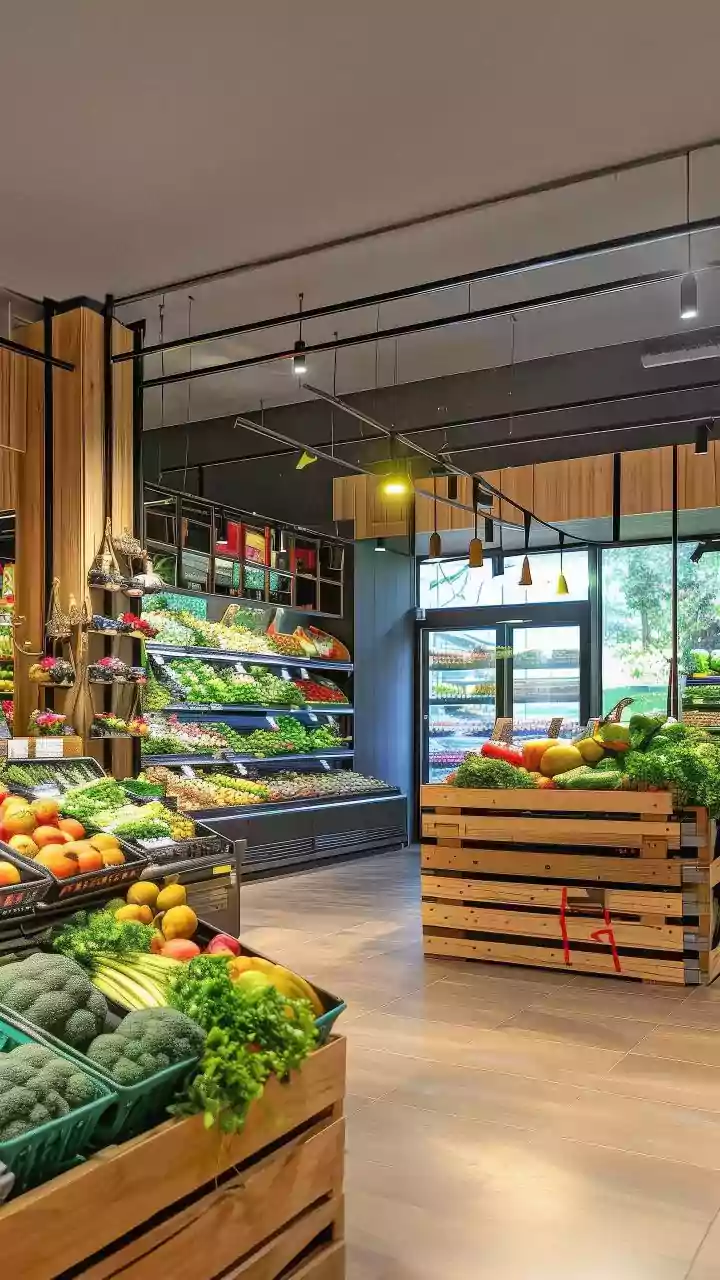
Your first line of defence is choosing your produce wisely. Opt for fresh, seasonal vegetables and fruits that are firm and brightly coloured. Avoid anything with cracks, bruises, soft spots, or visible mould, as these are entry points for germs. It is particularly wise to steer clear of pre-cut fruits and vegetables sold in the open, as their exposed surfaces are highly susceptible to contamination. Buying produce in smaller batches more frequently is better than bulk buying during this season. This ensures you are always using the freshest ingredients and reduces the chances of spoilage in your own kitchen.
The Crucial Cleaning Ritual
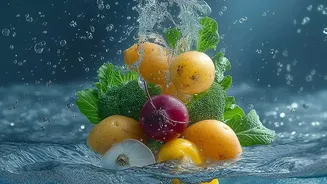
Once you bring your groceries home, proper cleaning is non-negotiable. The Food Safety and Standards Authority of India (FSSAI) emphasizes washing all fruits and vegetables thoroughly with clean, potable water. For leafy greens like spinach and cabbage, which can harbour dirt and germs between their layers, a simple rinse is not enough. It's recommended to soak them in a bowl of water with a bit of salt or vinegar for 15-20 minutes before a final rinse. This helps dislodge hidden contaminants. After washing, pat everything dry with a clean cloth or paper towel before storing, as lingering moisture encourages spoilage.
Storing Produce for a Longer, Safer Shelf Life
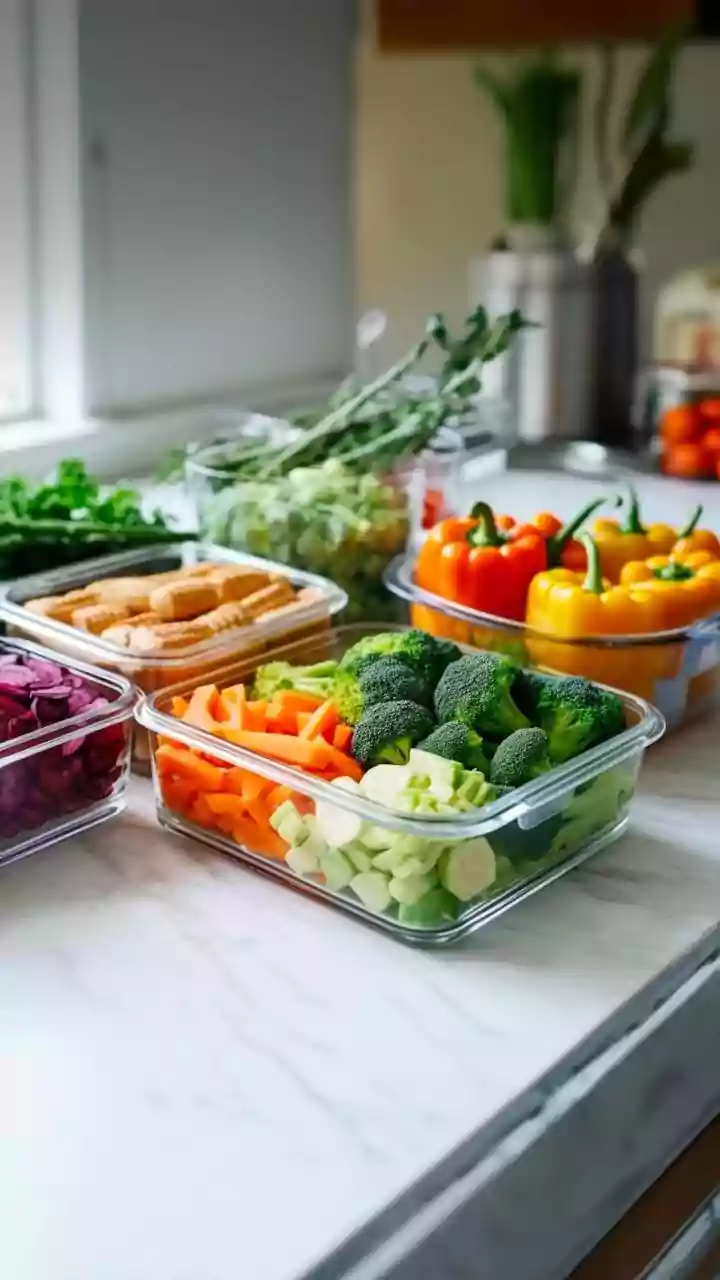
How you store your produce is just as important as how you clean it. High humidity can make food spoil faster. The FSSAI advises cleaning your refrigerator regularly, about once every two weeks, to prevent bacterial and mould growth. Store different vegetables and fruits in separate breathable bags in the fridge to allow for air circulation and prevent moisture buildup. A key WHO food safety principle is to separate raw and cooked foods to avoid cross-contamination. This means keeping raw vegetables, especially meats, away from ready-to-eat items inside your refrigerator.
To Cook or Not to Cook: The Raw Debate
During the monsoon, it is generally safer to consume cooked food rather than raw. Health experts often advise against raw salads during this season unless you can be absolutely certain of the hygiene and water quality used in their preparation. Cooking food thoroughly kills most harmful microorganisms. If you do choose to eat raw vegetables or fruits, ensure they have been meticulously washed in safe water and, for fruits, peel them just before eating. Steaming vegetables is a great alternative to eating them raw, as it helps kill germs while retaining more nutrients than boiling. This extra precaution can significantly lower your risk of contracting a nasty stomach bug.