






The High-Altitude Desert: Ladakh
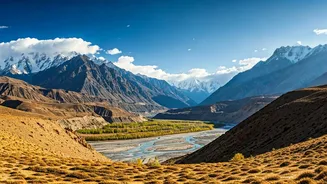
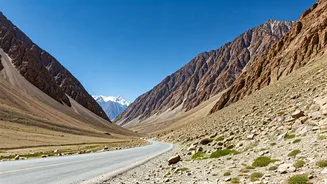
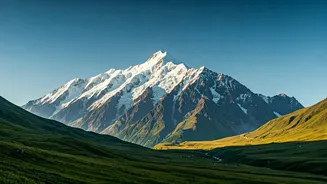
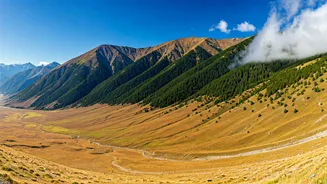
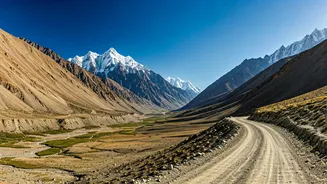
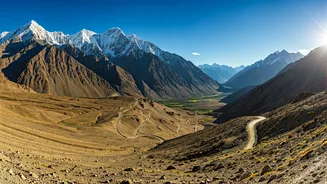
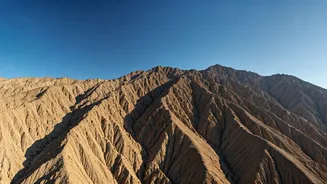
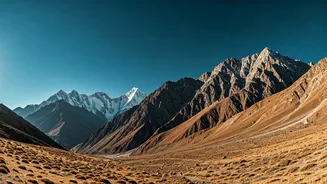
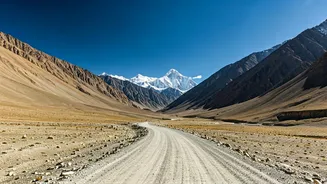
Known as 'the Land of High Passes,' Ladakh is a classic and compelling choice for a monsoon-dodging getaway. Shielded by the Himalayas, this region receives minimal rainfall, offering clear blue skies and breathtakingly vast landscapes while the rest
of the country is drenched. Late June and July are the ideal months to visit, as the high mountain passes like Khardung La are open, providing access to otherworldly destinations such as the Nubra Valley, with its sand dunes and double-humped camels, and the mesmerizing, colour-shifting Pangong Tso. The weather is pleasant during the day, perfect for exploring ancient Buddhist monasteries perched on cliffs, like Thiksey and Hemis. The nights remain crisp and cool, ideal for stargazing in the unpolluted air. A trip here feels like stepping onto a different planet, defined by stark beauty, spiritual calm, and wide-open roads.
The Middle Land: Spiti Valley
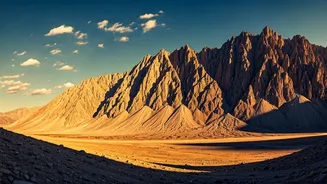
For those seeking an even more remote and rugged adventure, Spiti Valley in Himachal Pradesh is the answer. Like Ladakh, it’s a cold desert that lies in a rain shadow, making July an excellent time to explore its raw beauty. The journey itself, whether from Manali via the Kunzum Pass or the longer route from Shimla, is an epic of winding roads and dramatic scenery. Once there, you'll find a world of ancient culture preserved in time. Visit Key Monastery, one of the oldest and biggest in the region, or the Tabo Monastery, a UNESCO World Heritage site renowned for its exquisite murals. The landscape is a photographer’s dream, with barren mountains, vibrant green patches of farmland, and pristine rivers. You can visit some of the highest inhabited villages in the world, like Kibber and Komic, and experience the unique hospitality of the local people in traditional homestays. While the area is dry, the approach roads can sometimes be affected by monsoons, so it's wise to plan for a flexible itinerary.
The Other Coast: Tamil Nadu's Coromandel
If high-altitude deserts aren't on your agenda, look south to the Coromandel Coast in Tamil Nadu. This region gets the bulk of its rainfall during the retreating northeast monsoon between October and December, meaning it stays relatively dry during the southwest monsoon of June and July. While it can be hot and humid, you'll avoid the persistent downpours plaguing the western coast. This opens up a world of cultural and historical exploration. Wander through the French Quarter of Puducherry, with its charming colonial architecture and seaside promenade. Explore the magnificent shore temples and rock-cut sculptures of Mahabalipuram, a UNESCO World Heritage site. Further south, the temple towns of Chidambaram and Thanjavur offer a deep dive into Dravidian architecture and spirituality. It’s a chance to trade mountain passes for temple gopurams and enjoy a different, yet equally rewarding, dry-season journey.