



The Humble Seasonal Superstar
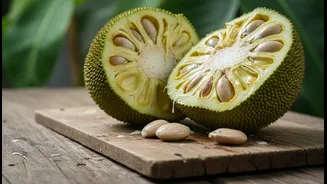
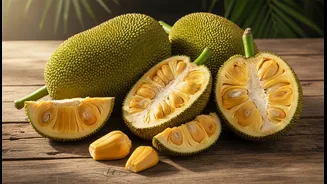
In a world of year-round availability, there is a special joy in eating with the seasons. Kathal is a prime example. While its ripe form is a sweet, fragrant fruit, its unripe, raw state is when it truly shines in the Indian culinary landscape. Used as a vegetable,
raw kathal has a dense, fibrous texture that is often compared to meat, earning it the nickname "vegetable meat." This unique quality allows it to absorb the robust flavours of Indian spices, making it the star of many beloved dishes, from simple stir-fries to elaborate festive meals. Its arrival in late spring and summer is anticipated in households across the country, marking a time for specific, comforting recipes.
More Than Just a Delicious Meal
Beyond its satisfying texture and culinary versatility, kathal is a nutritional powerhouse. It is packed with dietary fiber, which aids digestion and promotes a feeling of fullness, making it a great choice for weight management. It's also a rich source of essential vitamins and minerals, including vitamin C for boosting immunity, potassium for heart health, and magnesium. The antioxidants found in jackfruit, such as flavonoids and carotenoids, help protect the body's cells from damage. While it's not as high in protein as meat, its impressive nutritional profile makes it a healthy and wholesome addition to any diet.
A Practical Guide to Prepping Kathal
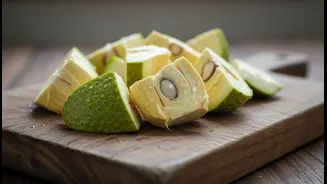
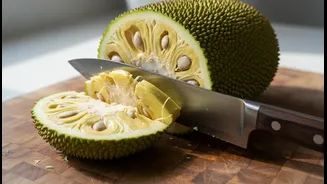
For the uninitiated, preparing a whole raw jackfruit can seem intimidating. Its large size and sticky white sap (latex) are its most notorious features. But with a few simple tricks, it's easily managed. Before you begin, it’s wise to apply a little cooking oil to your hands, your knife, and your cutting board to prevent the sap from sticking. Start by cutting the fruit into large, manageable rounds. From there, slice away the thick, spiky green peel and the tough central core. Once the core and peel are removed, you can chop the remaining flesh into cubes, ready for cooking. It's a good idea to drop the cut pieces into a bowl of water to prevent them from discolouring. If fresh kathal seems too challenging, canned or frozen versions are readily available and much easier to work with.
From Simple Sabzi to Festive Feasts
The true magic of kathal lies in its versatility. In North India, Kathal ki Sabzi is a staple, where the chunks of jackfruit are often fried and then simmered in a spicy, aromatic gravy of onions, tomatoes, ginger, and garlic. This hearty dish is a perfect accompaniment to hot chapatis. Another popular preparation is Kathal Biryani, where the meaty texture of the jackfruit provides a satisfying alternative to chicken or mutton, layered with fragrant basmati rice and rich spices. In the south, you might find it in a dry stir-fry known as a 'palya' or in flavorful curries like 'erissery'. From pickles to kebabs, the culinary possibilities are nearly endless, with each region putting its unique spin on this incredible vegetable.