



No Equipment, No Excuses
One of the most significant advantages of bodyweight training is its sheer accessibility. You don't need expensive gym memberships, bulky machines, or even a basic set of dumbbells. Your body is the only tool you need, making it a completely free and
convenient way to work out. Whether you are in a small apartment, a hotel room, or your living room, you have a portable gym at your disposal. This eliminates the common hurdles of cost and access to equipment, leaving you with fewer excuses to skip a workout, even when you're stuck at home for days.
Safety from the Storm
Exercising outdoors during heavy rainfall carries genuine risks. Slippery roads and pavements significantly increase the chance of slips and falls, which can lead to sprains or more severe injuries. Visibility is often poor, making it dangerous for both runners and vehicles on the road. Furthermore, wading through waterlogged streets can expose you to a host of water-borne illnesses. By choosing to exercise indoors, you stay warm, dry, and, most importantly, safe from these potential hazards, allowing you to focus completely on your workout without worrying about the elements.
Builds Real-World Functional Strength
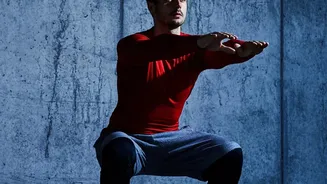
Bodyweight exercises are brilliant for developing functional strength. These movements, such as squats, lunges, and push-ups, mimic everyday actions like sitting, standing, pushing, and lifting. By training these patterns, your body learns to move as a cohesive unit, improving coordination, balance, and stability. This kind of strength is incredibly practical, helping with daily tasks and reducing the risk of injury in real-life situations. While lifting weights is excellent for building muscle mass, bodyweight training excels at making your body stronger and more efficient in its natural movements.
A Surprisingly Effective Full-Body Workout
It's a common misconception that bodyweight exercises are too easy to be effective. The truth is, they can provide a challenging workout for any fitness level. By engaging multiple muscle groups at once, compound exercises like burpees, planks, and squats offer a comprehensive, full-body workout in a short amount of time. You can easily increase the intensity not by adding weight, but by adjusting your tempo, increasing repetitions, or moving to more advanced variations of an exercise, such as progressing from a standard push-up to an incline push-up. This principle of progressive overload is key to building muscle and endurance.
A Simple Routine to Get You Started
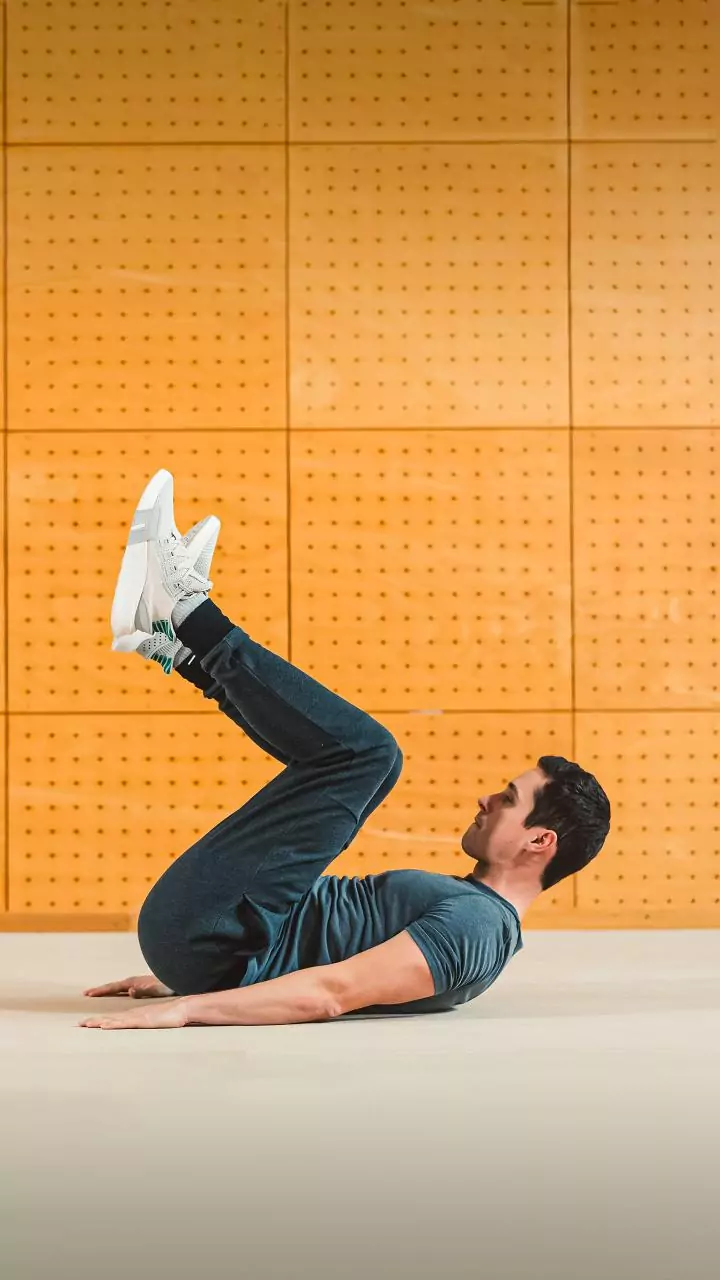
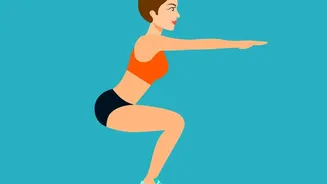
The best way to appreciate bodyweight training is to try it. Here is a simple, no-equipment circuit you can do at home. Perform each exercise for 45 seconds, rest for 15 seconds, and then move to the next. Once you complete all five, rest for one minute and repeat the entire circuit 2-3 times. Bodyweight Squats: Works your glutes and legs, a foundational movement for lower-body strength. Push-ups: Targets the chest, shoulders, and triceps. If a full push-up is too hard, start with your knees on the ground. Plank: An excellent exercise for building core strength and stability. Alternating Lunges: Improves balance and strengthens each leg individually. * Jumping Jacks: A great way to get your heart rate up for a cardio boost.