






Understanding Your Internal Clock
Every person has an internal 24-hour clock known as the circadian rhythm. This biological timer regulates everything from your body temperature to hormone release, including when you feel sleepy and when you feel awake. The most powerful cue for this
clock is light. For millennia, humans rose with the sun and slept in darkness. Bright light, especially blue light from the sun, tells your brain it's daytime and time to be alert. As light fades, your brain gets the signal to produce melatonin, the hormone that prepares your body for sleep.
The Night Shift Dilemma
For a night shift worker, this natural system is turned upside down. You finish work just as the sun is rising. That exposure to bright morning light sends a powerful 'wake up' signal to your brain, precisely when you need to wind down. This exposure suppresses melatonin production, making it difficult to fall asleep and, more importantly, to achieve the deep, restorative sleep necessary for physical and mental recovery. This mismatch between your work schedule and your internal clock is why so many shift workers suffer from chronic fatigue and conditions like shift work sleep disorder.
Your Post-Shift Light Strategy
The good news is that you can take control by strategically managing your light exposure after your shift ends. The goal is to trick your brain into thinking sunset is happening, even if it's 8 AM. This begins on your commute home. Wearing dark, wrap-around sunglasses can significantly reduce your exposure to morning sunlight, helping to preserve the melatonin your body has started to produce. Some studies show this simple step can improve daytime sleep duration for shift workers. It is a critical first line of defence against a confused body clock.
Mastering Your Home Environment
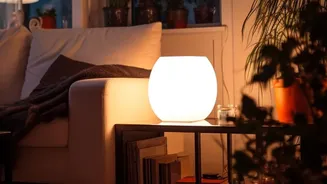
Once you are home, the light management continues. For the hour or two before you plan to sleep, avoid bright overhead lights. Instead, use dim, warm-toned lighting. Studies show that red, amber, and orange light are the least disruptive to melatonin production. You can achieve this by installing low-wattage bulbs with a warm colour temperature (in the 2000K-3000K range) in your bedroom and living area. Red light, in particular, has been shown to have minimal impact on circadian rhythms and can even help improve sleep quality. Smart bulbs that can change colour are an excellent tool for this, allowing you to schedule a shift to warm, dim light automatically.
Blocking Blue Light Before Bed
The blue light emitted from screens—phones, tablets, TVs, and computers—is particularly disruptive to sleep. While it's best to avoid screens altogether before bed, that's not always realistic. If you do use a device, wearing blue-light-blocking glasses can help. Look for glasses with amber or orange lenses, as these are most effective at filtering out the specific wavelengths of blue light that suppress melatonin. Studies have shown that wearing these glasses in the hours leading up to sleep can help workers produce more melatonin, leading to better rest.
Create a Sleep Sanctuary
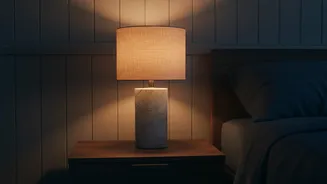
When it's finally time to sleep, your bedroom should be as dark as possible. This means investing in blackout curtains or blinds to block all outside sunlight. Cover or unplug any electronics with indicator lights, such as chargers or digital clocks. Even small amounts of light can filter through your eyelids and disrupt sleep. For total darkness, a comfortable sleep mask can be an invaluable tool. The aim is to create a cave-like environment that tells your brain it is the middle of the night, allowing for uninterrupted, high-quality sleep.