




The Mountain Workstation Reality Check
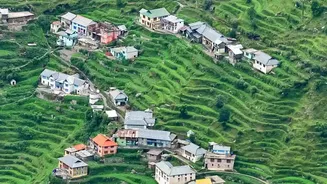
Dharamkot, a quaint village nestled above McLeod Ganj, has become a sanctuary for digital nomads. Unlike metropolitan areas, however, its infrastructure can be less predictable. While fibre internet from providers like Jio and Airtel is increasingly common,
the hilly terrain can lead to occasional disruptions. Power cuts, though usually brief, are also a reality, especially during storms or maintenance periods. This doesn't mean you can't work effectively; it simply means you need to plan smarter. The key is finding a homestay that has already accounted for these challenges with robust backup systems.
Where to Start Your Homestay Search
Your search for the ideal work-from-mountains pad can begin on standard booking platforms like Airbnb, Booking.com, and MakeMyTrip, which list numerous homestays in the area. Many properties now specifically advertise themselves as 'remote work friendly' or 'ideal for digital nomads'. Beyond these, don't underestimate the power of local community groups on social media. Facebook groups dedicated to Dharamshala and Dharamkot are excellent resources for finding long-stay options and getting direct recommendations from fellow travellers who can vouch for a property's amenities. Co-living spaces like NomadGao also offer an all-in-one solution with guaranteed fast Wi-Fi and power backup.
The Pre-Booking Inquisition: Questions to Ask
Before you commit, it’s crucial to become a diligent investigator. Never assume that a listing’s claim of 'Wi-Fi' or 'power backup' meets the demands of a full workday. Get specific with your potential host. Ask them directly about the type of power backup they have. Is it an inverter that can support lights and charging for a few hours, or a generator that can run heavier appliances and last longer? For internet, ask for the provider’s name (Airtel and Jio Fiber are good signs) and, more importantly, a recent speed test screenshot. This simple request separates the properties with truly high-speed connections from those with basic, shared broadband.
Decoding Wi-Fi and Power Backup Claims
Understanding the nuances of the amenities offered is critical. When a host mentions 'power backup', clarify what that system powers. A basic inverter might only keep the lights on and your laptop charging, but it may not support the Wi-Fi router itself, rendering it useless during an outage. A generator is a more robust solution. For Wi-Fi, ask if there's a Fair Usage Policy (FUP) with a data cap, which could throttle your speed after a certain amount of usage. In a region where some cafes offer speeds up to 200 Mbps, you should aim for a private connection that can reliably handle video calls without lag.
Your Personal Connectivity Safety Net
Even with the best homestay, a personal backup is non-negotiable for anyone on a tight work schedule. India’s mobile data is among the most affordable in the world, so investing in a local SIM card is a wise move. Both Airtel and Jio have strong 4G and 5G networks in and around Dharamkot. A mobile hotspot can easily carry you through a temporary broadband failure or a short power cut that affects the router. Before arriving, confirm with your host which mobile network performs best at their specific location, as coverage can vary slightly due to the topography.
On-the-Ground Verification
If you're planning a long-term stay of a month or more, consider booking a place for just a few days initially. Use this time to test the digital infrastructure yourself. Run speed tests at different times of the day, see how the connection holds up during a video call, and ask the host to demonstrate the power backup system. This trial period allows you to experience the reality of the setup before committing to a longer lease. It also gives you a chance to explore the neighbourhood, find nomad-friendly cafes with their own backup systems, and ensure the location is a good fit for your lifestyle.