






What Exactly Is Creatine?
Before you think of it as some complex lab-made substance, it’s important to know that creatine is a natural compound your body already produces. It's made from amino acids and is stored primarily in your muscles, with smaller amounts in the brain. You
also get some creatine through your diet, especially from red meat and seafood. The role of creatine is simple but crucial: it helps your cells produce energy. Specifically, it helps regenerate a molecule called adenosine triphosphate (ATP), which is the main source of fuel for short, explosive movements like lifting a heavy weight or sprinting.
The Engine for Your Muscles
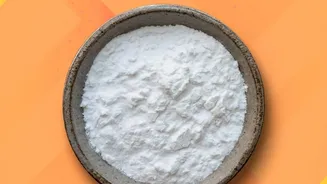
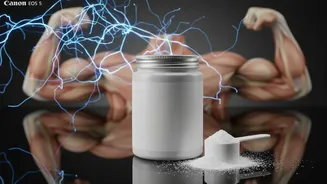
The reason creatine is so popular for fitness is that it directly impacts strength and performance. When you supplement with creatine monohydrate—the most studied form—you increase your body's stores of phosphocreatine. This allows your muscles to produce ATP energy more rapidly during high-intensity exercise. The result? You can perform more work, whether that means an extra repetition on the bench press or more power in your sprints. Studies have consistently shown that when combined with resistance training, creatine supplementation leads to significant gains in muscle strength, power output, and overall muscle mass. It essentially helps you work out harder for longer, which is the key driver of long-term muscle growth.
A Boost for Your Brain
The benefits of creatine aren't limited to the gym. Your brain is an incredibly energy-demanding organ, accounting for about 20% of your body's total energy use at rest. Just like your muscles, your brain cells use ATP to function. Emerging research suggests that creatine supplementation can help maintain these energy levels in the brain, which may support cognitive function. Studies have shown that creatine can be particularly helpful in situations that stress the brain, such as sleep deprivation or complex mental tasks. Some research points to improvements in short-term memory, reasoning, and information processing speed. While more research is needed, creatine shows promise as a tool for reducing mental fatigue and keeping your focus sharp.
Fact from Fiction: Is Creatine Safe?
Despite being one of the most researched supplements available, myths about creatine's safety persist. The most common concern is whether it harms the kidneys. This myth stems from the fact that creatine supplementation can slightly elevate levels of creatinine, a waste product used to measure kidney function. However, extensive research has shown this rise does not indicate kidney damage in healthy individuals. Dozens of studies, including long-term trials lasting up to five years, have concluded that creatine is safe when taken at recommended doses. Other debunked myths include claims that it causes dehydration or unhealthy fat gain; in reality, it increases water content within muscle cells, which is beneficial for performance.
How to Take Creatine Effectively
Getting started with creatine is straightforward. The most common and effective dosage is a daily maintenance dose of 3 to 5 grams of creatine monohydrate. Consistency is more important than timing, so just take it at a time that is convenient for you each day. Some people choose to start with a "loading phase," taking around 20 grams per day for 5-7 days, split into smaller doses, to saturate their muscles more quickly. This can bring forward the benefits by a few weeks, but it is not necessary. Sticking to a simple 3-5 gram daily dose will achieve the exact same muscle saturation level in about three to four weeks. Given its safety and efficacy, creatine monohydrate offers a simple way to support both your body and mind.