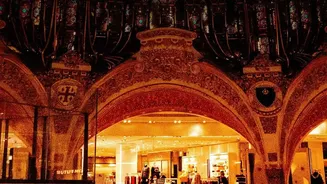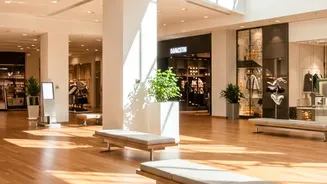





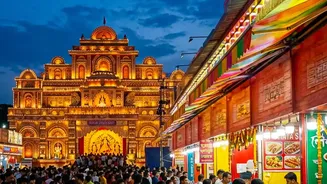

For decades, the story of Indian retail was written in its metros. But a new chapter is unfolding in cities like Lucknow, Jaipur, and Kochi, where developers are building premium malls, signaling a major shift in the country's economic geography.
The Saturation of Metro Markets
The allure
of India's Tier-I cities like Mumbai, Delhi, and Bengaluru is undeniable, but for real estate developers, these markets have become a double-edged sword. Sky-high land acquisition costs and intense competition for consumer attention have made launching new, large-scale mall projects incredibly challenging. With multiple established shopping centres already vying for footfall, the potential for high returns on new investments has diminished. This saturation is forcing developers to look beyond the obvious urban centres for fresh opportunities and untapped growth potential. The move to non-metro areas is less a retreat and more a strategic pivot to markets where they can become dominant players rather than just another competitor.
The Rise of the Aspirational Consumer
The primary engine driving this trend is the changing profile of the consumer in Tier-II and Tier-III cities. Thanks to rising disposable incomes, widespread digital access, and social media exposure, consumers in cities such as Chandigarh, Indore, and Coimbatore have developed aspirations that mirror their metro counterparts. A recent report highlighted that the affluent population in these smaller cities has surged by 76 percent in the last six years. This new class of consumers is brand-aware, seeks premium experiences, and is no longer content with travelling to the nearest metro for high-quality shopping and entertainment. Developers are simply following the money and the demand, recognising a significant, underserved market ready for modern retail formats.
Redefining the 'Premium' Mall Experience
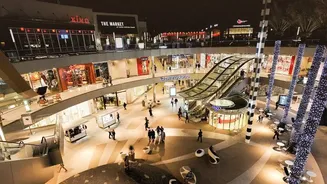
For these emerging markets, 'premium' is not just about luxury brands; it's about the overall experience. The new malls being developed are conceived as comprehensive lifestyle hubs that offer a mix of retail, entertainment, and dining options. These are not just places to shop, but destinations for community life. Features like multiplex cinemas with IMAX, diverse food courts, fine-dining restaurants, and dedicated zones for entertainment are becoming standard. By creating a superior destination experience, developers can capture a larger share of the local consumer's wallet and establish their project as the central social and commercial hub of the city, a feat much harder to achieve in a crowded metro market.
Infrastructure as a Growth Catalyst
This real estate trend would not be possible without the massive government-led push in infrastructure development. The construction of new national highways, expressways, and airports has drastically improved connectivity, making smaller cities more accessible for both businesses and consumers. This infrastructure boom not only simplifies logistics for retailers but also unlocks new real estate corridors and boosts property values in surrounding areas. As a result, locations once considered peripheral are transforming into viable and attractive zones for large scale commercial projects, providing the foundation upon which this new retail expansion is built.
The Developer's FirstMover Advantage
From a business standpoint, the logic is compelling. Developers are finding significant advantages in Tier II cities, including lower land costs, faster regulatory approvals, and the opportunity to establish a first mover advantage. By entering these markets early, companies like Phoenix Mills, K Raheja Corp, and Pacific Group are building large format, high quality retail centres that can dominate the local market for years to come. According to real estate firm JLL, 25 million square feet of new retail space is expected to be developed in Tier II and Tier III cities over the next five years, with North India leading the charge in cities like Lucknow and Jaipur. This influx of investment is a clear indicator that the industry sees these emerging urban centres as the next frontier for retail growth in India.