



The Science of Superior Flavour
At the heart of this trend is a simple truth: freshly, hand-pounded spices taste unequivocally better. Unlike high-speed machine grinding, which generates friction and heat, the traditional mortar and pestle works through slower, repeated impact. This
crucial difference prevents the volatile essential oils, responsible for a spice's unique aroma and flavour, from evaporating. Commercial grinding can heat spices to over 60°C, effectively 'cooking' out the nuances of compounds like linalool in coriander or cuminaldehyde in cumin before they even reach your pan. The result of hand-pounding is a more potent, aromatic, and complex flavour profile that blooms slowly in oil, creating layers of taste that machine-ground powders simply cannot replicate.
A Return to Regional Roots
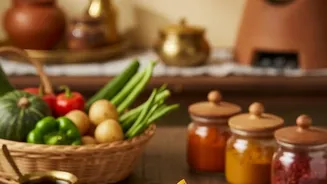
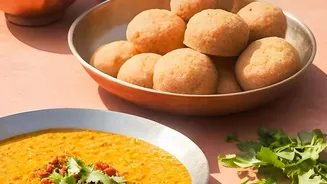
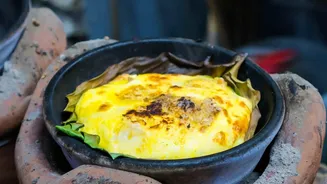
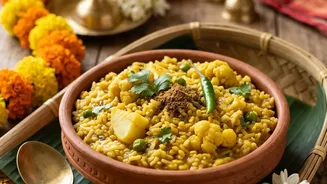
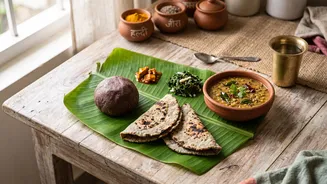
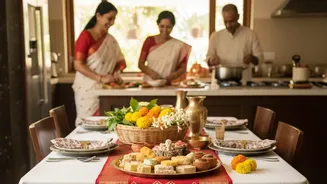
For years, 'Indian food' was often presented as a monolithic entity dominated by a few famous North Indian dishes. Now, home cooks are championing the vast tapestry of the country's culinary heritage. There is a growing appetite for honesty on the plate—food that is tied to a specific geography, climate, and community. Instead of another butter chicken, kitchens are celebrating the comforting simplicity of Bengali bhapa doi, the rustic warmth of Uttarakhand's bedu roti, or the unique flavours of Nagaland's smoked pork with bamboo shoot. This rediscovery is a move away from restaurant-style perfection and towards meals that feel nourishing and rooted in personal history.
Nostalgia and Identity on a Plate
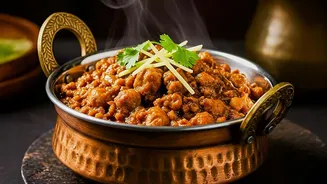
If there is one key ingredient driving this movement, it's nostalgia. Many home cooks are consciously recreating the dishes of their mothers and grandmothers—heirloom recipes that connect them to their past. These are not just meals; they are culinary time capsules, offering a taste of a bygone era and keeping family traditions alive. In an increasingly globalised world, cooking a specific regional dish, like a Sindhi sai bhaji or a Coorgi pandi curry, becomes an act of preserving and celebrating cultural identity. It’s about finding comfort in flavours that feel like home and honouring the generational wisdom passed down through family kitchens.
Wellness and Conscious Eating
The shift towards traditional methods also aligns with a broader wellness movement. As people become more conscious of what they consume, the appeal of home-cooked food made from scratch has grown significantly. Preparing meals using whole spices and fresh, seasonal produce eliminates the preservatives, additives, and excess sodium often found in processed foods. Traditional Indian cuisine is naturally rich in ingredients with health benefits, such as turmeric for inflammation, ginger for digestion, and fibre-rich legumes for heart health. This trend is less about dieting and more about embracing a balanced, holistic approach to eating that has been part of Indian food wisdom for centuries.
The Social Media Effect
This culinary renaissance is being amplified and accelerated by social media. Platforms like Instagram and YouTube have become virtual classrooms where food bloggers and home chefs share step-by-step guides for regional delicacies that were once confined to family kitchens. These creators have been instrumental in making lesser-known recipes accessible and inspiring a new generation to rediscover their culinary roots. By showcasing the stories and techniques behind the food, they have helped shift the focus from trendy global dishes to the rich, diverse, and deeply personal world of Indian home cooking.