




The Rise of Nature-Inspired Minimalism
This isn't a single, rigid style you can buy in a box. Instead, think of it as a philosophy that borrows the best from several popular movements—the clean functionality of Scandinavian design, the natural elegance of Japanese principles (often seen in Japandi),
and the core tenets of biophilia, our innate need to connect with nature. At its heart, this trend is about creating a soothing sensory experience by decluttering your space and filling it with intentional, nature-focused elements. It's less about having a sparse, empty room and more about ensuring everything you own has a purpose and contributes to a feeling of calm, not chaos.
1. Embrace Earthy, Muted Palettes
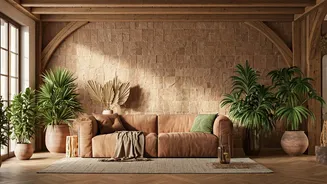
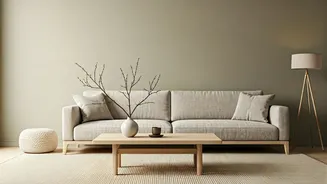
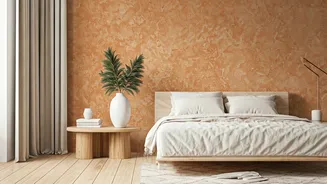
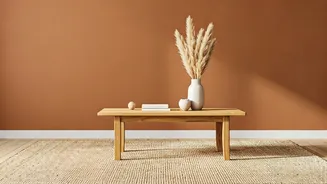
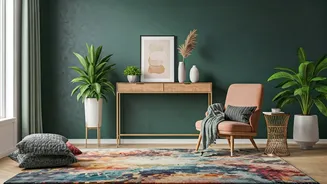
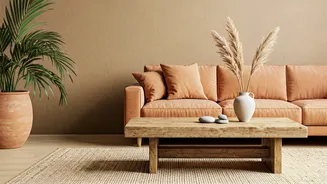
Color has a profound psychological impact, and this trend leans into palettes that ground and soothe. Swap out harsh, high-contrast colors for tones drawn directly from the natural world. Think of the soft greens of new leaves, the warm beige of sand, the rich terracotta of clay, and the cool, calming grays of a misty morning. These colors work as a neutral backdrop that doesn’t demand attention, allowing your mind to relax. They create a cohesive, harmonious environment where no single element jarringly stands out, which is key to reducing visual stress. To start, consider painting a single accent wall in a sage green or introducing throw pillows in an oatmeal or rust color.
2. Prioritize Natural Materials and Textures
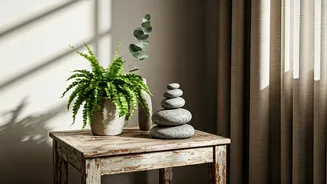
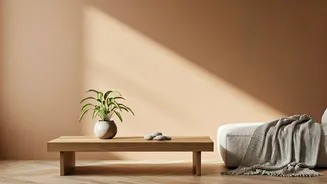
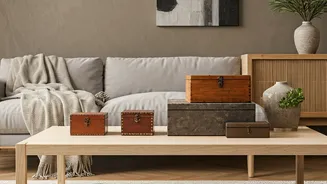
Peaceful design is about how a space feels, not just how it looks. This trend emphasizes materials that are pleasing to the touch and connect us to the outdoors. Replace plastics and synthetics with warm woods, woven rattan, cool stone, and soft natural textiles like linen, cotton, and wool. A smooth oak dining table, a jute area rug underfoot, or a chunky wool-knit throw on the sofa all provide tactile comfort. These materials have subtle imperfections and organic variations that make a home feel lived-in and authentic, a welcome contrast to the cold perfection of mass-produced items. The goal is to layer these textures to create a rich, sensory experience that feels comforting and real.
3. Bring the Outdoors In (Thoughtfully)
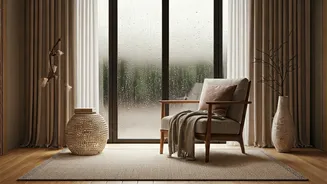
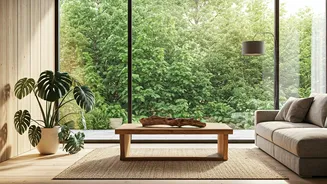
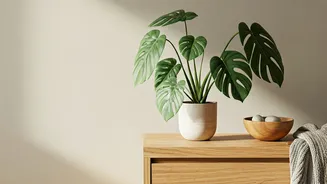
Biophilic design is a core component here. It’s the practice of incorporating nature into our built environment to improve our well-being. The easiest way to do this is with houseplants. A fiddle-leaf fig in a corner or a collection of succulents on a windowsill can literally breathe life into a room. But it goes beyond just plants. Consider art that depicts serene landscapes, botanical prints, or even a simple vase with a few fresh or dried branches. These elements serve as gentle reminders of the natural world, which studies have shown can lower stress levels and improve focus. Even maximizing natural light by forgoing heavy drapes for sheer linen curtains is a biophilic move.
4. Adopt an Ethos of 'Less, but Better'
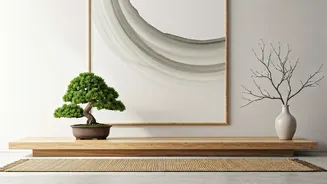
This is where the minimalism part comes in. A cluttered space often leads to a cluttered mind. This trend encourages a mindful approach to what we own, focusing on quality and purpose over quantity. It's not about sterile emptiness, but about intentional curation. Before bringing a new item into your home, ask if it serves a function or brings you genuine joy. Clear surfaces of unnecessary knick-knacks and invest in smart storage solutions to hide away everyday clutter. By surrounding yourself only with things that are beautiful, useful, or meaningful, you create a home that is easier to maintain and profoundly more restful to inhabit. The visual silence that results from this approach gives your mind the space it needs to unwind.