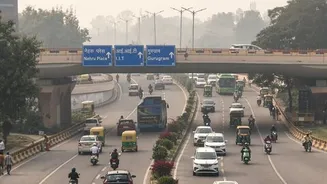








As a thick blanket of smog settles over Delhi, forcing schools to close and children indoors, a pressing question emerges: what is the hidden cost of this confinement? Beyond the physical health risks, experts are now examining the psychological toll.
The Confined Digital Classroom
When the Air Quality Index (AQI) surges past 'severe' levels, the immediate response is often to shift schools to an online format. While intended as a protective measure, this sudden transition to virtual learning has its own set of challenges. Research and parental reports highlight that prolonged screen time can lead to issues like dry eyes and headaches. More critically, it removes children from their social environment. The lack of direct interaction with peers and teachers can foster feelings of isolation and disrupt the natural learning process. Studies have shown that many children struggle to comprehend lessons online, leading to academic stress and a fear of falling behind. This combination of physical discomfort and educational pressure creates a fertile ground for anxiety to take root.
A Shrinking World of Play
Childhood development is intrinsically linked to physical activity and unstructured play. When pollution forces children indoors for extended periods, it robs them of this crucial outlet. Pediatricians consistently advise limiting or avoiding strenuous outdoor activities when AQI levels are high, effectively grounding an entire generation. This lack of physical exertion does more than just affect physical fitness; it has a direct impact on mental well-being. The inability to run, play, and engage with the outside world can lead to frustration, irritability, and a build-up of anxious energy. This forced inactivity, coupled with the monotony of being inside, can make children feel trapped and restless, contributing to a negative emotional state.
The Weight of Eco-Anxiety
Children are not oblivious to the environmental crisis unfolding around them. They see the hazy sky, hear the constant news reports, and feel the burning sensation in their eyes. This awareness is fostering a phenomenon known as 'eco-anxiety'. Surveys conducted in Delhi-NCR reveal that a high percentage of children feel stressed, worried, and fearful for their future due to the poor air quality. Experts note that pollutants themselves can have neurological effects, potentially worsening pre-existing conditions like anxiety and depression. This direct environmental stress, combined with the disruption to their daily lives, creates a significant psychological burden. Many children report feeling sad, anxious, angry, and helpless in the face of a problem they cannot control.
Expert Consensus and Compounding Factors
Mental health professionals and epidemiologists are increasingly viewing the situation holistically. They argue that air pollution should not be seen as an isolated factor. The anxiety children experience is a result of multiple compounding stressors: the physiological effects of pollutants, the social isolation from school closures, the academic pressure of online learning, and the psychological weight of an environmental threat. Studies from periods of confinement, like the COVID-19 pandemic, have already established a strong link between social isolation, increased screen time, and a rise in anxiety, depression, and behavioural issues in children. The current pollution-driven lockdowns are creating a similar, albeit seasonal, crisis.
What Parents Can Do to Help
While parents cannot control the city's air quality, they can take steps to mitigate the impact on their children's mental health. Experts suggest creating a structured routine at home that clearly separates school time from playtime, even if both happen indoors. Encouraging indoor physical activities like yoga, dancing, or board games can help release pent-up energy. It is also vital to maintain an open dialogue, allowing children to express their fears and anxieties about the pollution without judgment. Limiting their exposure to alarming news coverage can also reduce stress. Finally, focusing on improving indoor air quality with purifiers and ensuring windows are sealed can provide a tangible sense of safety and control for the entire family.