







The Big Picture: A Nine Percent Surge
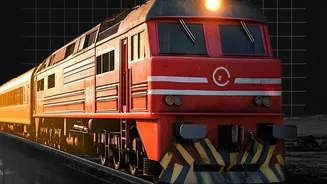
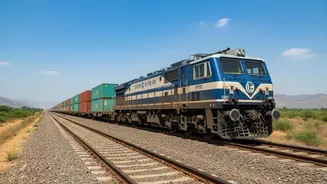
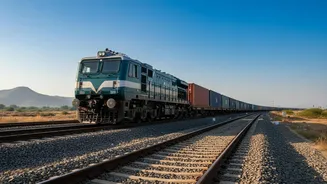
In July 2026, Indian Railways transported 141.3 million tonnes (MT) of goods, marking a robust 9% increase compared to the 129.7 MT moved in July of the previous year. This growth isn't just a random spike; it reflects sustained demand from key sectors
of the economy. This surge also translated into higher earnings, with freight revenue growing by 8%, an incremental increase of ₹1,137 crore over the same period last year. Such figures are closely watched by economists as they provide a real-time snapshot of industrial production, agricultural cycles, and energy consumption across the country.
Fuelling the Nation's Growth
A significant portion of this increased volume was driven by coal, which saw an 11.5% rise in loading. Coal and iron ore together represent over 60% of the railways' entire freight basket, making their movement a primary indicator of industrial and energy sector activity. In July, the national transporter ramped up domestic coal supply to thermal power plants by 20% compared to last year, a direct response to rising electricity demand from both industries and households. This heightened movement of coal is essential for ensuring the country's energy security and powering the manufacturing plants that contribute to economic growth.
Building India: Steel and Cement on the Move
The industrial sector's pulse can often be measured by the transport of core materials required for construction and manufacturing. In July, the data was overwhelmingly positive. Iron ore loading, a crucial raw material for steel production, jumped by a massive 22.2%. This points towards strong activity in the steel industry, which is a key supplier for infrastructure projects, real estate, and automobile manufacturing. The healthy growth in these foundational commodities suggests that momentum in capital expenditure and construction, both public and private, remains strong.
Feeding the Country: Foodgrains and Fertilisers
Beyond industry and energy, the railways play a critical role in agriculture and food security. This was evident in July's numbers, with both foodgrains and fertilisers showing significant growth. The loading of foodgrains increased by 11.5%, while fertiliser transport was up by 12%. This dual increase is timely, supporting the agricultural sector by ensuring farmers have the necessary inputs for their crops while also facilitating the movement of harvested grains to markets and for public distribution. This efficient logistics network helps maintain stable food supplies and supports rural incomes across the nation.
A Broader Economic Revival
While bulk commodities like coal and iron ore drove the headline numbers, a 12.1% growth in the 'balance other goods' category offers a sign of a more diversified economic pickup. This category often includes container traffic and finished products, suggesting that the recovery is not limited to just the core sectors. The sustained demand across various segments—from infrastructure and manufacturing to agriculture—paints a picture of a broad-based revival. Experts note that this momentum, if it holds, signals a strong start to the financial year and reinforces the railway's central role in India's supply chain.