






The Pressing Difference: How They Are Made
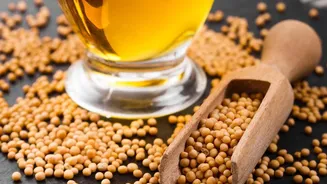
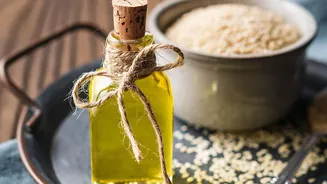
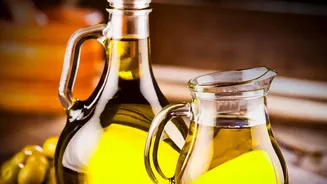
The primary difference between cold-pressed and refined oils lies in the extraction process. Cold-pressed oils are made using a simple, mechanical method. Seeds or nuts are crushed and pressed to extract the oil without using high heat or chemical solvents.
Temperatures are kept low, typically below 49°C, which helps preserve the oil's natural flavour, aroma, and nutritional compounds. Think of traditional methods like a 'ghani' or 'chekku,' which have been used in India for centuries. Refined oils, on the other hand, undergo a multi-step industrial process designed for high yield and a long shelf life. This often involves high heat, pressing, and the use of chemical solvents like hexane to extract every last drop of oil. The crude oil is then degummed, neutralised with chemicals, bleached to remove colour, and deodorised to create a neutral-tasting product with a uniform appearance.
Smoke Point: The Heat is On
An oil's smoke point is the temperature at which it stops shimmering and starts smoking, breaking down and releasing potentially harmful compounds. This is a crucial factor in choosing the right oil for a specific cooking task. When an oil is heated past its smoke point, it not only imparts a burnt flavour to food but also produces free radicals and toxic aldehydes that are linked to inflammation and chronic diseases. Generally, the refining process removes impurities and free fatty acids that cause an oil to smoke. This gives refined oils a higher smoke point, making them more suitable for high-temperature cooking methods. Cold-pressed oils, because they retain more of their natural components, tend to have lower smoke points.
A Nutritional Showdown
This is where cold-pressed oils truly shine. The gentle, low-heat extraction method ensures that valuable nutrients like antioxidants, Vitamin E, and beneficial fatty acids (monounsaturated and polyunsaturated fats) remain in the final product. These compounds are celebrated for their health benefits, including supporting heart health and reducing inflammation. Conversely, the high heat and chemical treatments used in refining strip away many of these delicate nutrients. While the resulting oil is more stable and has a longer shelf life, it is often considered to be providing empty calories compared to its cold-pressed counterpart. Furthermore, the high-heat process can sometimes alter the chemical structure of fats, potentially creating unhealthy trans fats.
Your Guide to the Indian Kitchen
So, which oil should you use for your daily 'tadka,' 'pooris,' and curries? It's not about choosing one type over the other, but about using the right oil for the right job. For Deep Frying: Indian deep-frying often reaches temperatures of 175°C to 190°C. For this, a refined oil with a high smoke point, like refined groundnut (smoke point ~230°C) or sunflower oil, is often a safer choice to prevent the oil from breaking down. Cold-pressed mustard oil and ghee, with smoke points around 250°C, are also excellent for frying. For Sautéing and Tadkas: Most daily cooking, like sautéing vegetables or preparing a 'tadka', happens at medium heat (around 120°C to 160°C). Many cold-pressed oils, such as groundnut (~160-180°C), coconut (~177°C), and sesame (~177°C), are perfectly suitable for these methods and will add their natural flavour to the dish. For Drizzling and Dressings: For any raw application, like salad dressings or drizzling over a finished dish, cold-pressed oils are the undisputed winners. Their rich, natural flavours and high nutrient content are best enjoyed without any heat at all.