

The Savoury Pancake: Kuttu ka Cheela
Buckwheat flour, or kuttu ka atta, is a powerhouse of nutrients and a staple during fasts. Unlike deep-fried pooris, a lightly pan-cooked cheela or pancake offers sustained energy without the oiliness. Kuttu is naturally gluten-free, rich in protein,
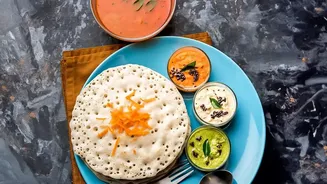
and provides complex carbohydrates that keep you feeling full and energetic for longer. To make it, simply mix kuttu flour with water to form a smooth batter. Add finely chopped green chillies, grated ginger, and sendha namak (rock salt). For extra nutrition and flavour, you can add grated bottle gourd (lauki) or potatoes. Pour a ladleful of batter onto a hot, lightly greased tawa and cook on both sides until golden brown and crisp. Serve hot with a side of fresh curd.
The Hydrating Classic: Makhana and Fruit Chaat
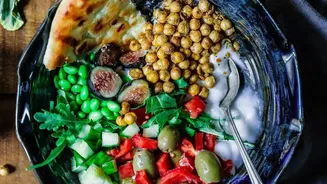
Fox nuts, or makhana, are an ideal fasting snack. They are low in calories but rich in protein and calcium. Instead of having them just roasted, turn them into a refreshing and hydrating chaat. Lightly roast a cup of makhana in a teaspoon of ghee until crunchy. In a bowl, combine the roasted makhana with a mix of seasonal, vrat-approved fruits like chopped bananas, apples, and pomegranate seeds. For a dressing, whisk together a bit of curd with sendha namak and a sprinkle of black pepper. Pour this over the fruit and makhana mixture, tossing gently. This chaat provides a perfect balance of carbohydrates from the fruit, protein from the makhana, and hydration from the curd, making it a complete, no-cook mini-meal.
The Energy Booster: Sabudana Khichdi, The Light Way
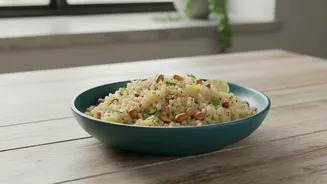
Sabudana khichdi is the ultimate comfort food for fasting, but it can often turn heavy and greasy. The trick lies in the preparation. Sabudana itself is a source of quick carbohydrates, perfect for an energy boost. To keep it light, ensure you soak the sabudana well (for at least 4-5 hours) and drain all excess water. When cooking, use minimal ghee. Sauté cumin seeds, chopped green chillies, and boiled potato cubes. Add coarsely crushed roasted peanuts for protein and crunch. Finally, add the soaked sabudana and cook for just 5-7 minutes, stirring gently until the pearls turn translucent. Overcooking makes it sticky. Finish with a squeeze of lemon juice and fresh coriander. This method gives you a fluffy, non-greasy khichdi that's easy to digest.
The Comforting Sweet: Lauki ki Kheer
A fast often feels incomplete without a touch of sweetness. Instead of heavy, sugar-laden sweets, opt for Lauki ki Kheer. Bottle gourd (lauki) is a vrat-approved vegetable that is over 90% water, making it incredibly light and hydrating. To prepare this kheer, peel and grate a small bottle gourd. Squeeze out the excess water. In a pan, sauté the grated lauki in a teaspoon of ghee for a few minutes until the raw smell disappears. Add milk and let it simmer until the lauki is soft and the milk has thickened slightly. For sweetness, you can use a small amount of jaggery (if your family tradition permits) or mashed dates instead of refined sugar. Flavour it with cardamom powder and garnish with a few chopped almonds for healthy fats and protein.
The Wholesome Grain: Rajgira Paratha with Curd
Amaranth flour, or rajgira, is another gluten-free flour packed with protein and essential amino acids. Making parathas from it is a great way to have a substantial meal that doesn't feel heavy. To make the dough, mix rajgira flour with mashed boiled potatoes, which act as a binding agent. Season with sendha namak, cumin powder, and chopped coriander. Knead into a soft dough, adding a little water if needed. Roll out small, thick parathas and cook them on a hot tawa with a minimal amount of ghee until both sides have golden-brown spots. Serve these soft, nutritious parathas with a bowl of fresh, cooling curd to create a balanced meal that supports your energy levels throughout the day.