






An Uneven and Anxious Downpour
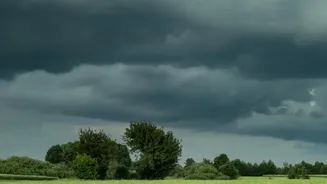
The story of the 2026 monsoon is one of stark contrasts. While some parts of the country have witnessed heavy downpours and even flooding, vast and vital agricultural regions are staring at a significant deficit. After a weak start in June, rainfall patterns
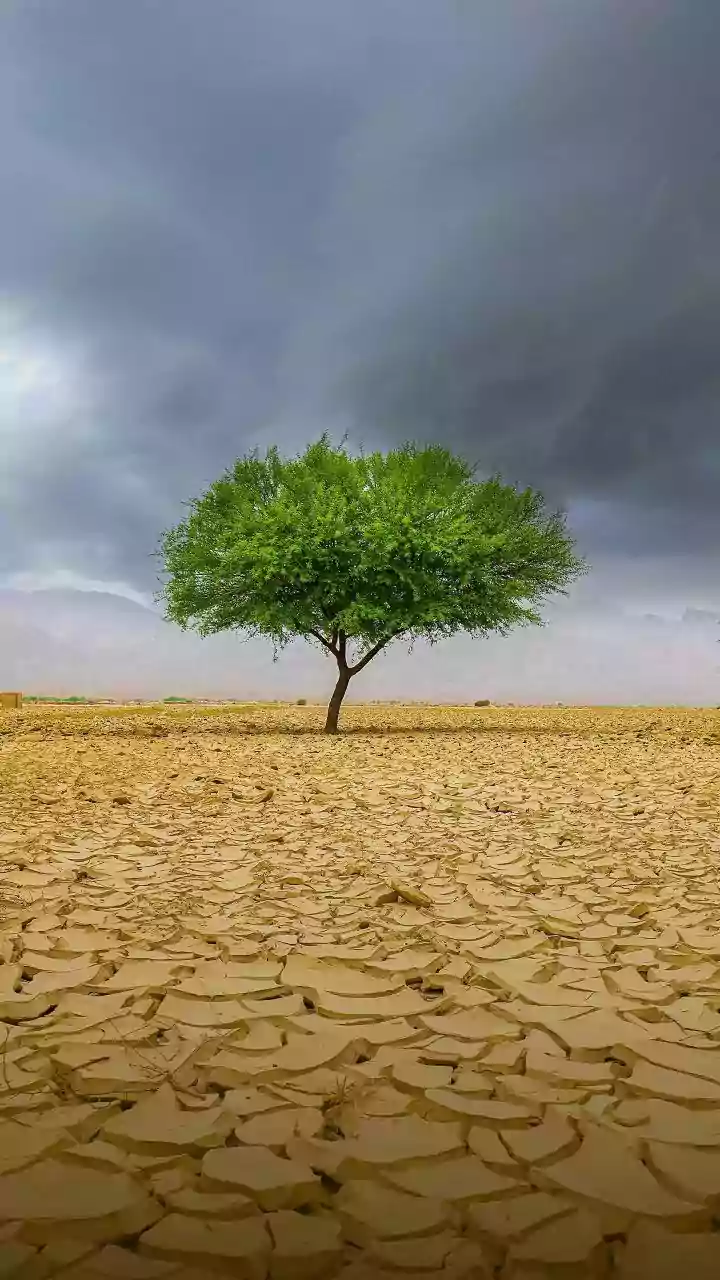
have remained inconsistent. As of mid-August, the issue is less about the national average and more about the skewed distribution. Key agricultural states in southern, eastern, and northeastern India have received substantially below-normal rainfall, creating dry conditions during the critical sowing and crop growth phase. For instance, major rice, soybean, and pulse-producing districts are reporting significant rainfall deficits. This patchiness is the primary source of anxiety, as one day of heavy rain cannot compensate for weeks of dry weather that depletes soil moisture and stresses young plants.
Kharif Sowing Feels the Strain
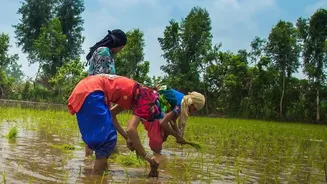
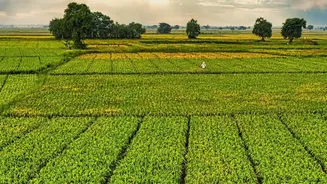
The direct consequence of this unpredictable weather is visible in the fields. According to the latest data from mid-August, the total area sown with kharif crops is trailing last year's figures, with a decline of just over 2%. While this may seem small, the details are concerning. The acreage for rice, the season's most important grain, has seen a notable dip of over 3.5%. Similarly, the sowing of essential pulses and oilseeds is also under pressure, with both categories showing a slight decline. These crops are particularly vulnerable as many are grown in rain-fed areas. The delay and deficit in rainfall have compressed the planting window for farmers, and continued moisture stress could directly impact the final yield of everything from rice and dal to the oilseeds that produce cooking oil.
The Reservoir Red Flag
Beyond the immediate impact on sowing, the weak monsoon has created a deeper problem in India's reservoirs. As of early August, water storage levels across the country were worryingly low, significantly below the levels of last year and the ten-year average. The situation is especially acute in the south, where reservoir capacity was down by a staggering 32 percentage points compared to the previous year. In Tamil Nadu, reservoirs were reported to be only 37% full as of mid-August. These water reserves are critical not only for providing irrigation to save the current kharif crops if the rains fail but also for the upcoming rabi (winter) crop season. Low reservoir levels also threaten drinking water supplies for major cities and reduce hydropower generation, creating a cascading economic risk.
From Stressed Fields to Rising Prices
The connection between struggling farms and household budgets is already becoming apparent. India's food inflation has been ticking upward, climbing to 5.52% in July, driven by rising prices of vegetables and other staples. Economists warn that food prices will remain the key factor to watch in the coming months. A potential shortfall in the production of rice, pulses, and oilseeds due to the erratic monsoon and the looming threat of El Niño could tighten domestic supply. When harvests are smaller, market arrivals decrease, leading to higher prices for consumers. The risk, therefore, is not just of lower farm incomes in rural India but of a sustained period of food-led inflation that affects every family's kitchen budget.