







Before You Drive: A Pre-Monsoon Check
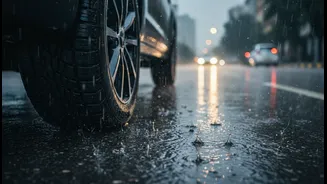
Preparation is your first line of defence against monsoon hazards. Before the heavy rains set in, ensure your vehicle is ready. Check that your tyres have adequate tread depth to grip wet roads and prevent hydroplaning. Worn-out tyres can significantly
increase braking distances. Speaking of brakes, have them inspected to ensure they are in top condition; wet roads already make stopping harder. Your wiper blades are another critical component; replace them if they are old or leave streaks, as clear vision is non-negotiable. Finally, walk around your car and test all your lights: headlights, taillights, brake lights, and indicators. Good lights don't just help you see; they help others see you.
On The Road: Driving Safely in a Downpour
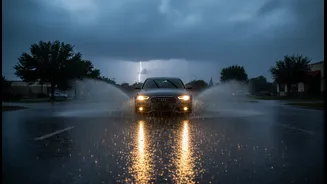
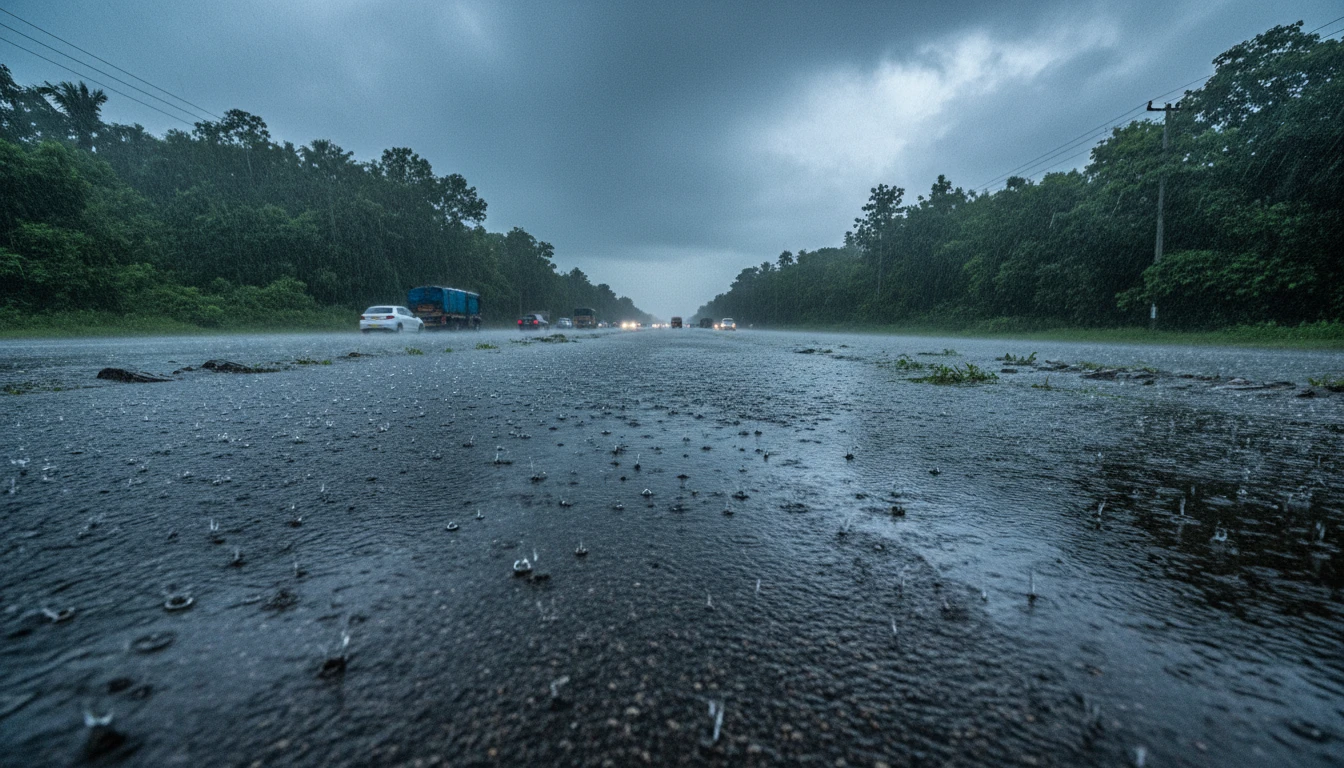
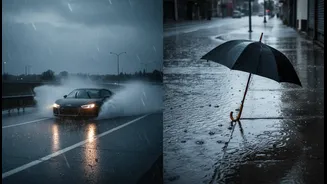
Once you're on the road, adjust your driving style for the conditions. The most important rule is to slow down. Wet roads can be treacherous, and your braking distance will increase significantly. Maintain at least double the usual following distance from the vehicle in front to give yourself more time to react. Turn on your low-beam headlights, even during the day, to increase your visibility to other drivers. Avoid using high beams as they can reflect off the rain and blind oncoming traffic. Be gentle with your steering, braking, and acceleration to avoid skids. If visibility becomes extremely poor, it is safer to pull over in a safe spot and wait for the rain to subside.
The Danger of Waterlogged Roads
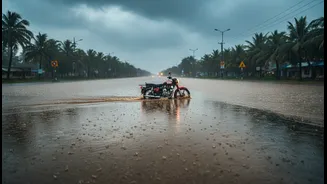
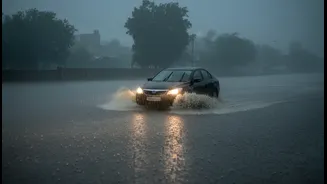
One of the biggest threats during Indian monsoons is waterlogging. Never attempt to drive through a flooded street. It's impossible to judge the depth of the water or see hidden dangers like open manholes, deep potholes, or debris. As little as six inches of moving water can cause a driver to lose control, and just a foot of water can be enough to float a small car. If your car stalls in water, do not try to restart the engine. This can cause catastrophic engine damage known as hydrostatic lock. The safest action is always to turn around and find an alternative route.
Pedestrian Safety: Making Yourself Visible
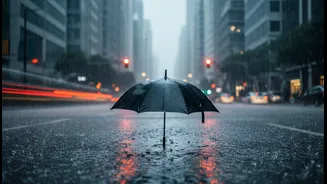
If you're walking, your primary goal is to be seen. Drivers have reduced visibility during a downpour. Wear bright or light-coloured clothing instead of dark colours that blend into the background. A colourful umbrella can also make you more noticeable. Reflective strips on your clothing, bag, or umbrella are highly effective, especially at night, as they bounce light back to its source. If possible, carry a small torch or use your phone's flashlight to make yourself more visible and to illuminate your path.
Navigating on Foot: Watching Your Step
When walking in heavy rain, pay close attention to your surroundings. Avoid distractions like using your phone, which can prevent you from noticing hazards. Choose footwear with good grip to avoid slipping on wet, slick surfaces. Be extremely cautious of puddles and flooded footpaths. They can conceal broken pavement, open drains, or other dangers. Also, be wary of electrical hazards. Stay far away from fallen power lines or electrical poles, as the water around them could be electrified. Whenever possible, stick to well-lit paths and use designated pedestrian crossings.