





Beyond the Grams: A Shift in Thinking
For decades, fitness enthusiasts have been conditioned to track one key metric: grams of protein. The daily goal—often a number pegged to body weight—became a non-negotiable part of building muscle and recovering from workouts. However, a growing number of urban
fitness enthusiasts are realising that this is only half the story. The new focus is on a far more critical factor: absorption. This represents a significant evolution in nutritional strategy, moving from a blunt measure of quantity to a sophisticated understanding of quality and efficiency. The trend aligns with a broader shift in India's wellness landscape, where data-driven approaches and a focus on long-term health are replacing older, more simplistic mantras.
Protein vs. Amino Acids: What’s the Difference?
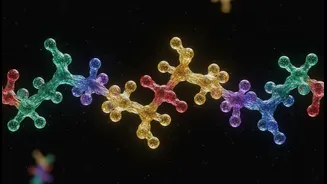
Think of protein as a long train and amino acids as the individual carriages. When you consume protein from sources like chicken, paneer, or dal, your body has to work to uncouple each carriage before it can be used. There are 20 amino acids, nine of which are “essential” (EAAs) because the body cannot produce them. These must come from your diet. For fitness goals, these EAAs are the real prize. They are directly responsible for repairing muscle fibres that break down during exercise and triggering muscle protein synthesis (MPS)—the process of building new muscle tissue. Simply eating 30 grams of protein doesn't guarantee your body gets the optimal number of these essential building blocks.
The Absorption Problem: Not All Protein Is Equal
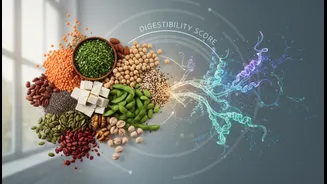
The source of your protein dramatically impacts its bioavailability—how well your body can digest it and absorb its amino acids. Animal-based proteins like whey, eggs, and meat are considered 'complete' and are generally digested and absorbed very efficiently. Plant-based proteins can be just as effective, but often require more strategic combining. For example, the classic Indian combination of rice and dal creates a complete amino acid profile that neither possesses on its own. However, factors like anti-nutritional compounds and fibre in plant sources can sometimes slow down or slightly hinder amino acid absorption. The body also has a limit to how much protein it can effectively use from a single meal to build muscle; any excess is often oxidised for energy rather than used for repair. This is why focusing on highly bioavailable sources and spreading intake throughout the day is becoming a preferred strategy.
Tracking Absorption: A Smarter Approach
So, how are people 'tracking' absorption without a lab? It's less about a physical device and more about a knowledge-based approach to food choices and timing. For instance, fitness enthusiasts are prioritising rapidly absorbing protein sources like whey hydrolysate or EAA supplements immediately post-workout. These deliver amino acids to the muscles in as little as 30 minutes, compared to the hours it can take to break down whole foods. The focus is also on specific amino acids, particularly leucine, which acts as a primary trigger for muscle growth. By understanding which foods are rich in leucine and other BCAAs, individuals can make more effective choices. This data-driven mindset is a hallmark of modern wellness, where wearable tech and biometric data are already common.
Making It Practical in the Indian Context
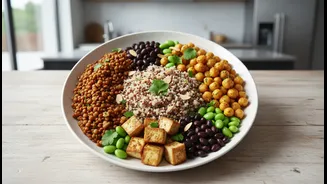
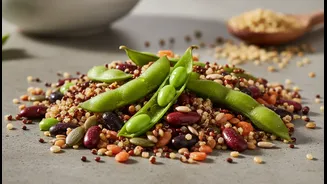
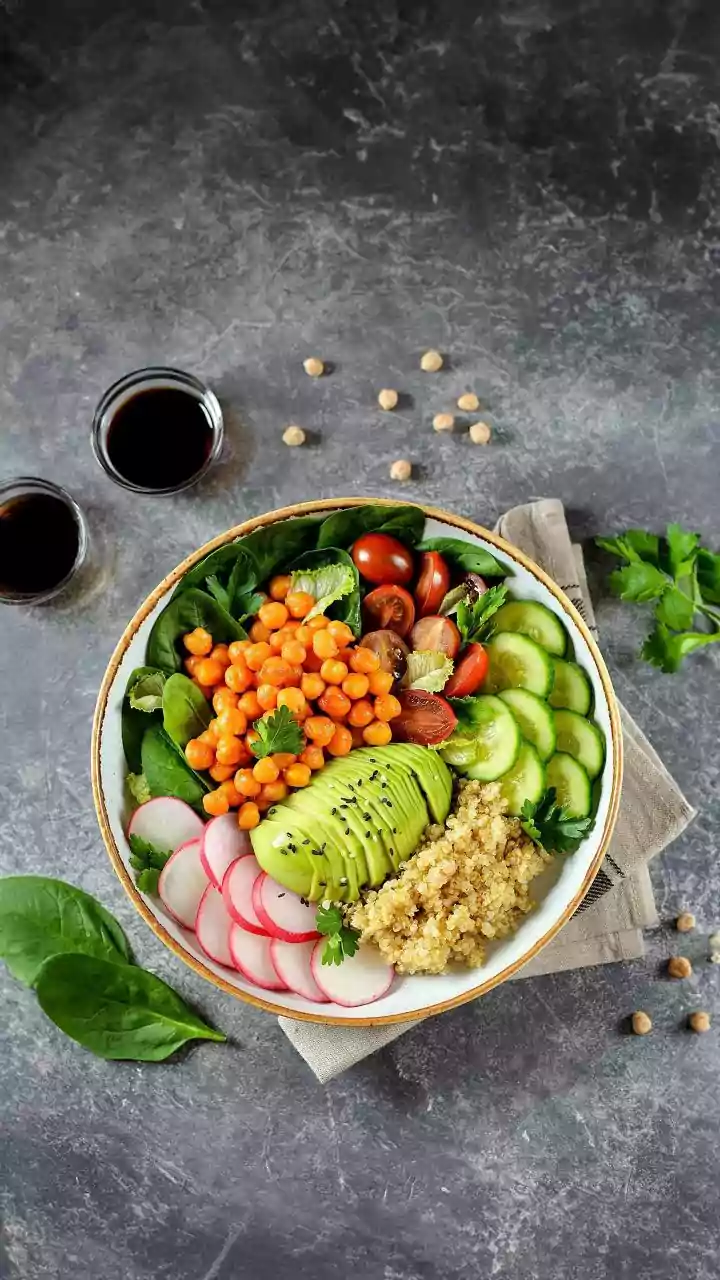
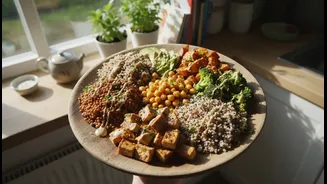
This new focus doesn't mean you need to abandon traditional foods. It’s about optimising them. For vegetarians, this means consciously pairing grains with legumes, like rajma with rice or roti with dal, to ensure a complete EAA profile. It might also mean incorporating high-quality dairy like Greek yogurt or paneer, which have excellent bioavailability. For those with demanding training schedules, supplementing with a leucine-rich EAA or BCAA powder can be an efficient way to kickstart recovery without the digestive load of a heavy meal. The goal is to ensure that every gram of protein consumed is of the highest possible quality and is timed effectively to meet the body's needs, especially around workouts.