




The 'Natural' Health Halo
The word 'natural' on a food package can feel reassuring, suggesting a product is wholesome and unprocessed. However, the term can be misleading. In India, the Food Safety and Standards Authority of India (FSSAI) has specific rules. A food can only be called
'natural' if it is a single-ingredient item from a plant, animal, or mineral source that has not been significantly altered. This means processes like washing, peeling, or drying are acceptable, but adding other ingredients, like preservatives or flavour enhancers, is not. A multi-ingredient product, such as a granola bar or a sauce, cannot be called 'natural'. It may, however, be labelled 'made from natural ingredients' if every single component meets the strict criteria, a distinction many brands use. This regulatory nuance is key; 'natural' describes the processing and origin, not whether the food is inherently healthy, low-sugar, or low-fat.
Why Is Sugar Added Anyway?
If a product is meant to be 'natural', why is sugar so often a primary ingredient? Manufacturers add sugar for several reasons beyond just sweetness. Sugar improves the texture and 'mouthfeel' of products, acts as a preservative to extend shelf life, helps with the fermentation of bread, and can balance the acidity of savoury foods like pasta sauces and ketchups. In many 'low-fat' products, sugar is added to compensate for the flavour lost when fat is removed, making them more palatable. It’s an inexpensive and versatile ingredient that makes processed foods more appealing, which is why it appears in everything from breakfast cereals and flavoured yoghurts to salad dressings and ready-to-eat meals.
The Many Names of Hidden Sugar
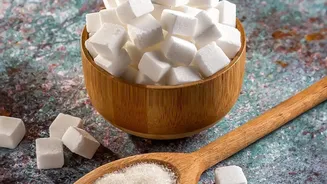
One of the most effective ways manufacturers disguise the total sugar content is by using multiple different types of sweeteners. Food labels list ingredients by weight, so using three or four different sugars ensures none of them appear at the top of the list. There are over 60 different names for added sugar. The most obvious ones include words like 'sugar' or 'syrup' (cane sugar, brown sugar, corn syrup, rice syrup). Another major clue is any word ending in '-ose', such as sucrose, glucose, dextrose, fructose, and maltose. But sugar also hides behind healthier-sounding names like honey, agave nectar, maple syrup, fruit juice concentrate, coconut sugar, and date syrup. While these may be less processed than white sugar, your body treats them all in a similar way, and they contribute to your daily added sugar intake.
How to Read a Label Like a Pro
The best way to find hidden sugar is to become a savvy label reader. First, look at the Nutrition Facts panel. Check the 'Added Sugars' line; this tells you how much sugar was added during processing, separate from the sugars naturally present in ingredients like milk or fruit. As a general guide, 5% or less of the Daily Value (DV) for added sugar is considered low, while 20% or more is high. Next, scan the ingredients list. Remember that ingredients are listed from the highest quantity to the lowest. If you see a form of sugar in the top three ingredients, the product is likely high in sugar. Also, be wary if you see several different names for sugar listed throughout the ingredients—it's a common trick to hide the true amount.
Common Culprits in the 'Natural' Aisle
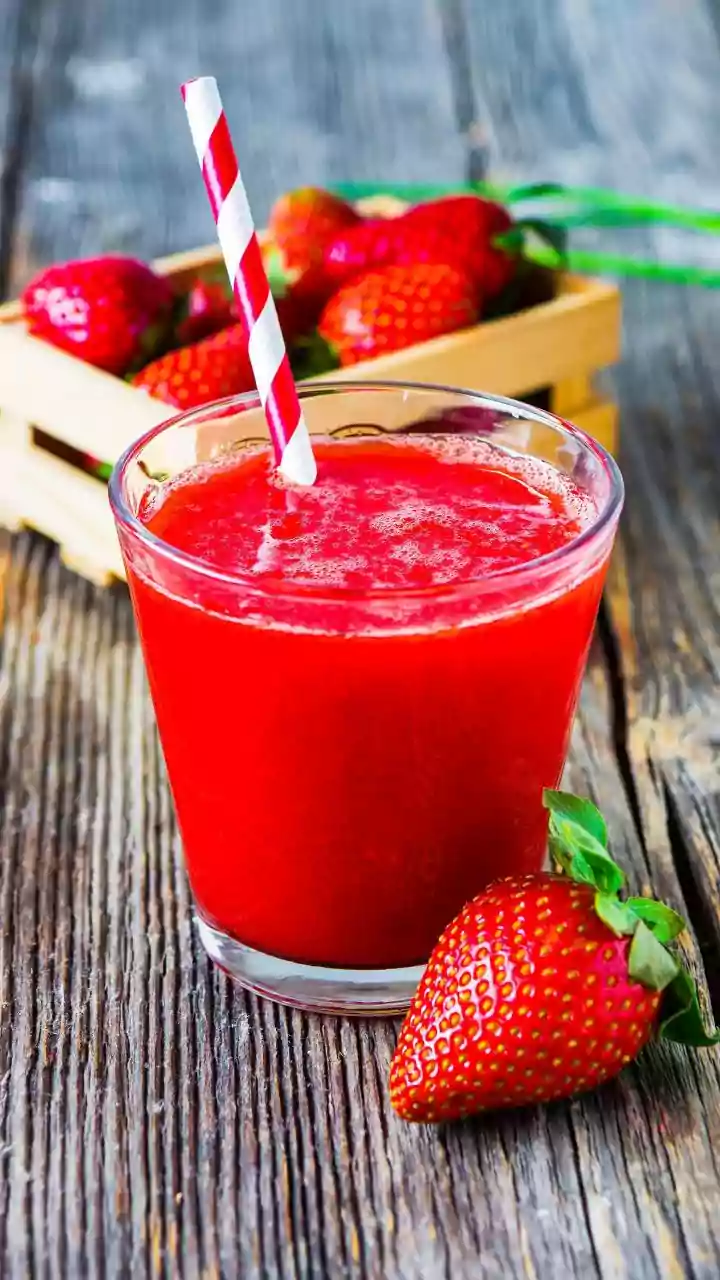
Certain product categories are notorious for containing hidden sugars, even when they carry a 'natural' or 'healthy' label. Packaged fruit juices, even those claiming to be '100% natural', often contain concentrated sugars without the beneficial fibre of whole fruit. Flavoured yoghurts and sweet lassis can be loaded with syrups and artificial flavourings. Breakfast cereals, muesli, and granola are marketed as fitness foods, but many contain honey, jaggery, or sugar syrups. Protein bars, energy snacks, and even savoury items like breads, namkeens, and cooking sauces can have surprisingly high sugar content to improve taste and texture.