





An Unprecedented Surge in Power Demand
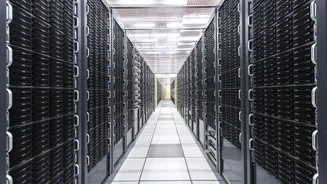
The International Energy Agency has issued a startling forecast in its World Energy Outlook 2026: global electricity consumption from data centres is on track to double by 2030. Currently, these facilities consume around 500 terawatt-hours (TWh) of power,
but the IEA projects this will surge to approximately 1,000 TWh by the end of the decade. To put that into perspective, the projected increase is more than the total annual electricity consumption of Great Britain. This massive growth raises urgent questions about the stability of power grids and, more importantly for consumers, the future cost of electricity.
The AI and Cryptocurrency Effect
What’s driving this incredible demand? The IEA points overwhelmingly to the boom in artificial intelligence. AI-related computing is expected to account for about three-quarters of the growth in data centre energy use through 2030. Training and running AI models requires immense computational power, which translates directly into higher electricity consumption for both processing and cooling the servers. One analysis found that a single query on an AI chatbot can use nearly ten times the energy of a simple Google search. While still a smaller portion of the demand, cryptocurrency mining also contributes to the overall strain on energy resources, creating a perfect storm of power-intensive digital activities.
What This Means for India
This global trend has significant implications for India, which is in the midst of its own data centre construction boom. The country’s data centre capacity has already quadrupled in recent years, with massive investments from global tech giants. Projections show India’s data centre power demand could grow more than eightfold between 2025 and 2035. According to India's Central Electricity Authority, power demand from the sector could reach 17 gigawatts (GW) by 2031-32. This rapid expansion is becoming an energy infrastructure story, as meeting this demand requires not just building data centres but also ensuring there is enough reliable electricity, transmission capacity, and cooling solutions to support them. The key concern is that when demand for electricity rises faster than supply, it can lead to higher prices for all consumers.
The Direct Impact on Household Tariffs
The core issue is that a massive new source of demand on the power grid can strain the entire system. When utilities have to invest billions in new power plants and transmission lines to service these energy-hungry facilities, the costs are often socialized, or spread across all ratepayers. This means residential and commercial customers could end up footing part of the bill for infrastructure built primarily for data centres. Some studies have already linked the construction of new data centres to increases in residential electricity prices. While some analyses suggest that data centres can, in some cases, help utilities manage grid load more efficiently, the sheer scale of the projected growth has put regulators and consumers on alert. The question is no longer if this digital expansion will affect the grid, but by how much and who will ultimately pay for it.
The Search for Sustainable Solutions
In response to these concerns, the focus is shifting toward efficiency and cleaner energy sources. Many large tech companies are becoming the biggest corporate buyers of renewable energy to power their facilities. However, the IEA report warns that in major markets like the US and China, the rapid buildout is still expected to rely heavily on fossil fuels to meet near-term demand. In Europe, by contrast, the plan is for renewables to supply about 70% of data centre electricity by 2030. Policymakers are also exploring other solutions, such as encouraging the development of data centres with flexible power usage and implementing 'large-load' tariffs that require these facilities to pay directly for the grid upgrades they necessitate. The goal is to balance the needs of a growing digital economy with the need for affordable and reliable energy for everyone.