



Beyond the Classic Pakora
The quintessential image of monsoon in India is a cup of chai with a plate of hot pakoras. While that classic pairing remains beloved, Delhi's restaurants are now digging deeper into India's culinary past. Menus across the capital are highlighting lesser-known,
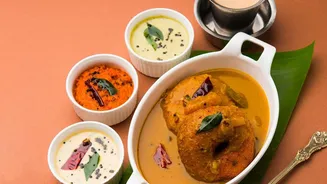
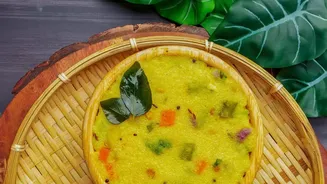
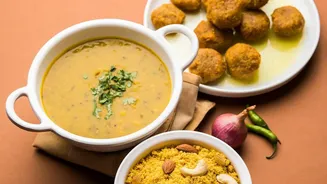
region-specific monsoon dishes. Think of Old Delhi's timeless Aloo Bedmi, a satvik dish made without onion or garlic, or Malai Ghewar, a festive delicacy perfect for the season. At some establishments, you can find chaat tasting menus featuring forgotten recipes like Nadru Ki Chaat, made from spiced lotus stem. Others are reviving diverse khichdi preparations, such as the spicy Kathiyawadi khichdi, offering a departure from the simple home-style version.
From Home Kitchens to High-End Menus
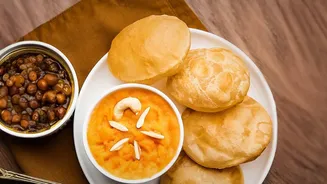
This revival isn't just happening in street-side stalls; it’s a trend being embraced by casual cafes and fine-dining restaurants alike. Establishments are curating special monsoon menus that celebrate seasonal ingredients and nostalgic flavours. For instance, palace-style hotels are creating luxurious experiences like a 'Tea & Pakora fest' with live frying stations, mimicking the joy of roadside stalls within a lavish setting. Meanwhile, acclaimed chefs are curating menus focused on regional comforts, like bold Punjabi flavours featuring different types of pakodas and hearty mains that evoke childhood memories. The goal is to blend nostalgic tastes with a contemporary dining experience, making familiar food feel special again.
A Craving for Comfort and Authenticity
So, why the sudden return to these age-old recipes? The trend is fuelled by a collective craving for comfort and authenticity. In a fast-paced world, these dishes connect diners to a simpler time, evoking a powerful sense of nostalgia. There's also a growing awareness of food heritage and the importance of preserving culinary traditions that might otherwise be lost. Furthermore, many of these traditional recipes are rooted in seasonal eating and wellness principles. Dishes often include ingredients like ginger, turmeric, and lentils, which are known for their immunity-boosting and digestive properties—perfect for the damp monsoon weather. This alignment of taste, tradition, and well-being makes the comeback both delicious and meaningful.
The 'Stylish' Reinterpretation
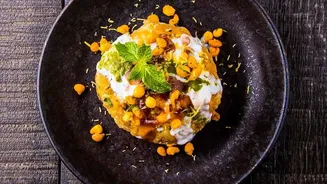
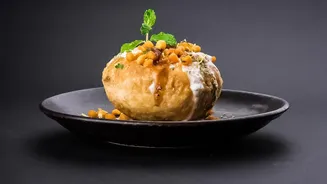
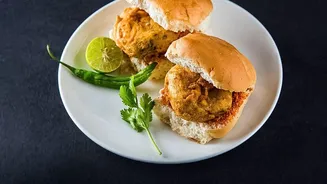
The comeback is not just about recreating old recipes; it's about reinterpreting them with a modern flair. The 'stylish' element comes from how these dishes are presented and sometimes, subtly tweaked. Chefs are using contemporary techniques and creative plating to elevate humble dishes. You might find a deconstructed French Toast or a Dabeli Bruschetta, blending Indian flavours with global formats. Others offer a 'Chaat Tasting Menu' with nine innovative courses or transform vada pav into sliders. Even traditional chaat is getting a refined makeover, with menus featuring Palak Patta Chaat and Dahi Batata Puri presented elegantly. This fusion of old and new allows diners to experience familiar flavours in an exciting, upscale context, making heritage cooking feel fresh and relevant.