



Chase Waterfalls in the Western Ghats
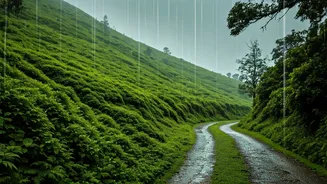
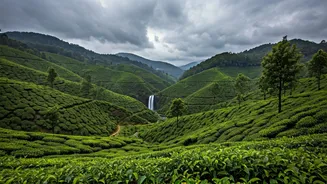
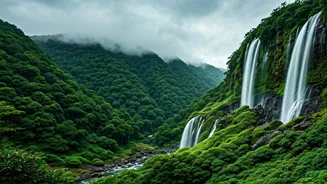
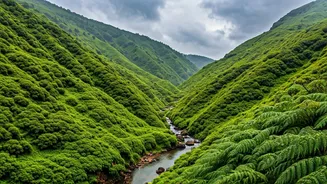
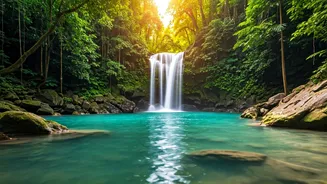
The Sahyadri mountain range, or Western Ghats, transforms into a lush paradise during the monsoon. States like Maharashtra and Goa, often known for bustling cities and beaches, reveal a different side. The drive from Mumbai to Lonavala or Pune to Mahabaleshwar
becomes a scenic journey past countless waterfalls cascading down emerald hills. Places like Malshej Ghat become hotspots for nature lovers who come to see the vibrant flora and fauna. For the adventurous, trekking to ancient forts like Rajmachi and Visapur offers misty, cloud-covered trails and breathtaking views. In Goa, the famous Dudhsagar Falls, which means 'Sea of Milk', reaches its most powerful and spectacular state, creating a sight to behold.
Explore Kerala’s Swollen Backwaters
The monsoon gives Kerala's famous backwaters a whole new personality. The network of lakes, canals, and rivers swells, blurring the lines between land and water. A houseboat cruise in Alleppey or Kumarakom during the rains is a uniquely tranquil experience; the sound of raindrops on the roof, the sight of misty mornings over Vembanad Lake, and the saturated green of the coconut palms create a magical atmosphere. This season is also considered ideal for Ayurvedic treatments. Furthermore, with fewer tourists, you get a more authentic and peaceful glimpse into local life along the canals. For wildlife enthusiasts, Periyar National Park in Kerala remains open, offering boat safaris on Periyar Lake where you can spot elephants and a wide variety of birds against a backdrop of mist-covered hills.
Walk Through the Clouds in Meghalaya
Home to some of the wettest places on Earth, Meghalaya is a destination that truly comes alive in the monsoon. The state capital, Shillong, serves as a charming base to explore the rain-soaked Khasi Hills. The drive to Cherrapunji (Sohra) is a journey through dense fog and past dramatic valleys, with waterfalls like Nohkalikai and Seven Sisters at their most thunderous. The region's most famous attraction, the living root bridges, looks especially mystical during this time. The trek to the double-decker bridge in Nongriat, though challenging with its slippery steps, is an unforgettable adventure into a world of bio-engineering marvels and lush forests.
Discover a Greener Rajasthan
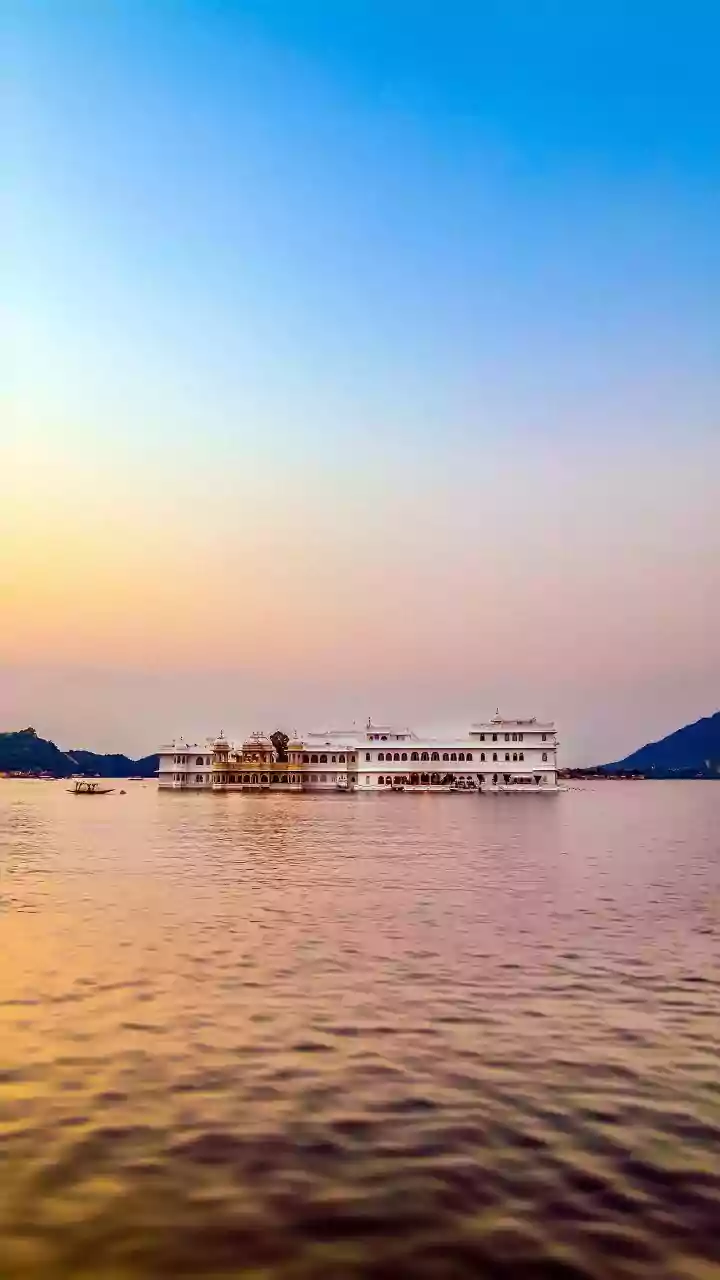
Rajasthan, the land of deserts, undergoes a surprising transformation during the monsoon. The arid landscape gets a wash of green, and the lakes in cities like Udaipur fill to the brim, making for romantic boat rides on Lake Pichola. The state's only hill station, Mount Abu, becomes a lush, misty retreat. Even the areas around historic forts like Kumbhalgarh and Chittorgarh become verdant, offering a unique and less crowded experience. The monsoon also brings cultural celebrations like the Teej festival to cities like Jaipur, adding another layer of vibrancy to your visit. While most of the state sees lighter rainfall, the cooler weather and refreshed landscapes make it a wonderful time to explore its royal heritage.
Find Wildlife Beyond the Stripes
While many core zones of major tiger reserves are closed, several national parks and sanctuaries across India keep their buffer zones open, offering a different kind of safari experience. The rain-washed forests are less crowded, and the landscape itself is a key attraction. In parks like Tadoba in Maharashtra and Ranthambore in Rajasthan, specific zones remain accessible for jeep safaris, providing a unique setting for wildlife photography. In the south, Nagarhole National Park in Karnataka, especially the Kabini region, is renowned for sightings of large elephant herds and even leopards. The focus shifts from just spotting a tiger to appreciating the entire ecosystem in its most vibrant state, with thriving birdlife and lush scenery.