

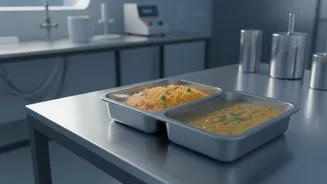
A Taste of Home in Zero Gravity
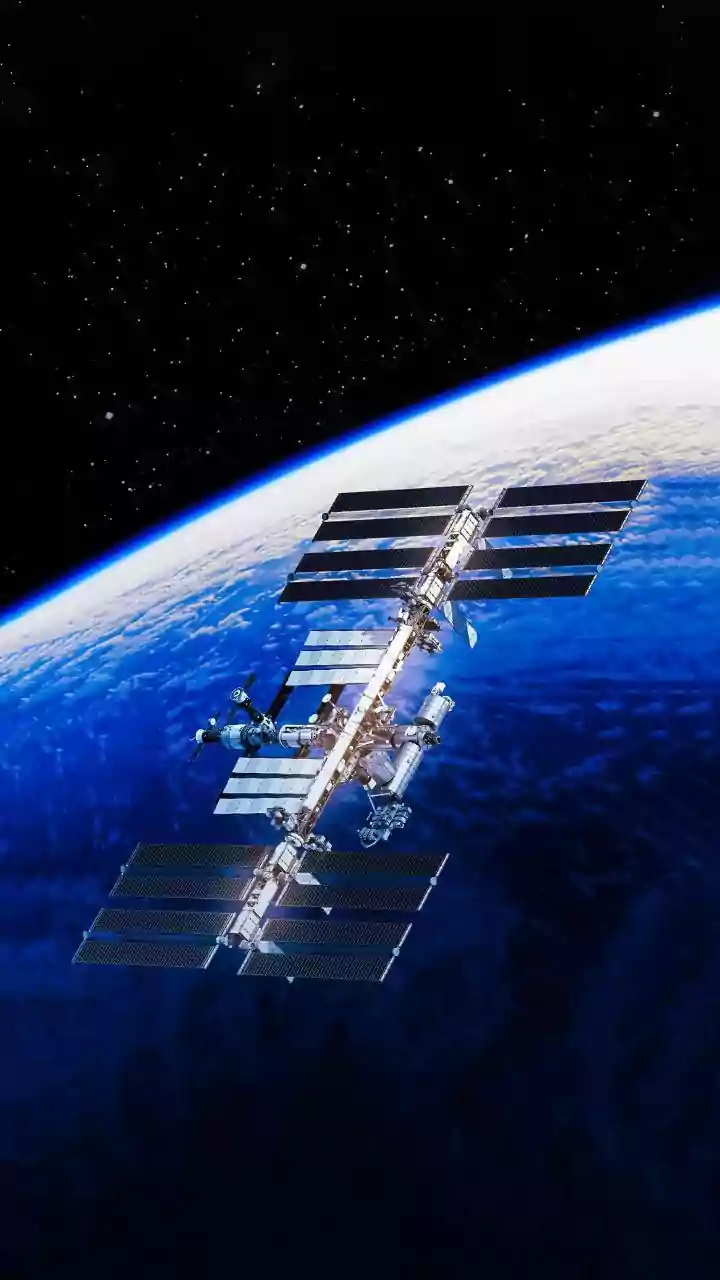
For astronauts on long-duration missions, food is more than just fuel; it is a crucial psychological comfort. The familiar tastes and aromas of home can combat the isolation and stress of living in a confined, alien environment hundreds of kilometers
above Earth. Recognising this, India's space program has placed a special emphasis on creating a menu that is both nutritionally sound and culturally resonant for its astronauts. The mission is to ensure that while they may be far from home, the comforting flavours of dishes like khichdi and biryani are within reach. This culinary challenge is being tackled by a dedicated group of scientists across the country.
Hyderabad's Nutritional Blueprint
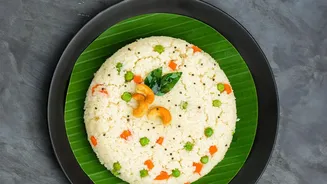
While the Mysuru-based Defence Food Research Laboratory (DFRL) has long been the pioneer of space food in India, the Hyderabad-based ICMR-National Institute of Nutrition (NIN) is playing a critical role in tailoring the diet for the upcoming Gaganyaan mission. Scientists at NIN are developing special food formulations, including mutton rolls, chicken nuggets, khichdi, and fruit purées, specifically for Indian astronauts. Their work focuses on ensuring the meals meet the unique nutritional requirements of space travel, such as being rich in micronutrients, antioxidants, and Vitamin D, while carefully managing sodium and fibre levels to maintain astronaut health in microgravity.
The Science of a Space Samosa
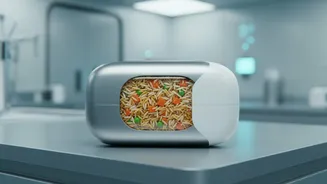
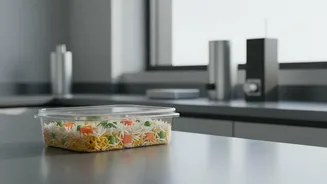
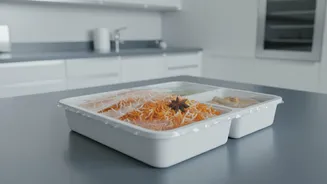
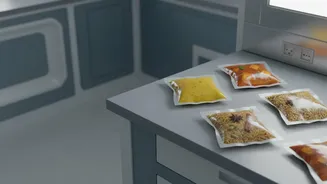
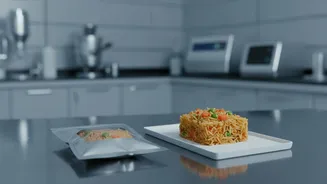
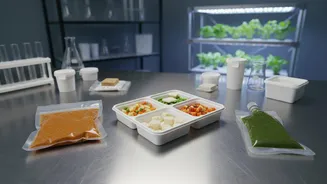
Making Indian food ready for space is a monumental task. Meals must have a shelf life of over a year, be lightweight, and produce no crumbs, as floating particles can damage sensitive equipment. The key technology used is lyophilization, or freeze-drying, where food is frozen and the moisture is removed in a vacuum. This process preserves the food's structure, taste, and nutritional value, allowing it to be rehydrated with water in space. Scientists also have to reduce the spice and oil levels to make the food easier to digest in microgravity. The entire menu, which includes everything from idli sambar to moong dal halwa, undergoes rigorous testing to ensure it can withstand the vibrations of a rocket launch and the challenges of being eaten in zero gravity.
An Orbital Menu
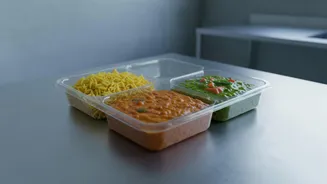
The prospective menu for India's astronauts reads like a national feast. The DFRL has developed around 60 ready-to-eat and instantised food varieties. The extensive list includes vegetable pulao, chicken biryani, chapatis, aloo paratha, chicken curry, and spinach with paneer. For snacking, there are chikkis and processed nuts, and for a sweet finish, options like suji halwa and moong dal halwa are available. Special containers have also been designed for drinking liquids like water, juice, and even ready-to-drink tea and coffee. This menu is a testament to the goal of providing a diverse and enjoyable eating experience, a far cry from the stereotypical image of astronauts eating from tubes.
From a Test Kitchen to the ISS
The process of getting food approved for space is incredibly stringent, especially for missions involving international partners like NASA. Astronaut Shubhanshu Shukla, part of the recent Axiom-4 mission, revealed that while a large menu of Indian dishes was prepared, time constraints and rigorous testing meant only three items were ultimately cleared for his flight to the International Space Station: gajar ka halwa, moong dal ka halwa, and aam ras (mango nectar). Items like khichdi and pulao couldn't complete the extensive qualification process in time. In a humorous twist, Shukla noted that his international crewmates enjoyed the Indian sweets so much that he was happy to share, even if it meant he didn't get to eat them himself. This experience highlights the immense challenge and precision required to take a dish from an Indian kitchen to the final frontier.