



A New Universe of Opportunity
For decades, India's space ambitions were almost exclusively driven by the Indian Space Research Organisation (ISRO). But a monumental policy shift is reshaping the landscape. The Indian Space Policy 2023 officially opened the entire space value chain
to private companies, transforming them from simple vendors to independent innovators. This reform was bolstered by the creation of the Indian National Space Promotion and Authorisation Centre (IN-SPACe), a single-window agency designed to regulate and promote the activities of Non-Governmental Entities (NGEs). By providing access to ISRO's facilities and streamlining approvals, IN-SPACe is creating a stable and predictable environment, which has led to a dramatic increase in private participation, with the number of space startups growing from just one in 2014 to over 400 by 2026.
From Space Data to Street-Level Solutions
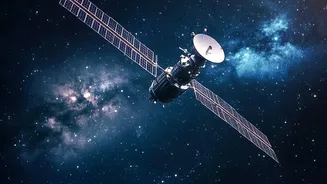
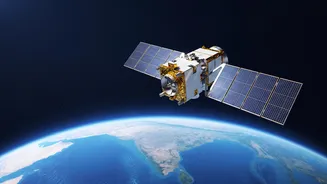
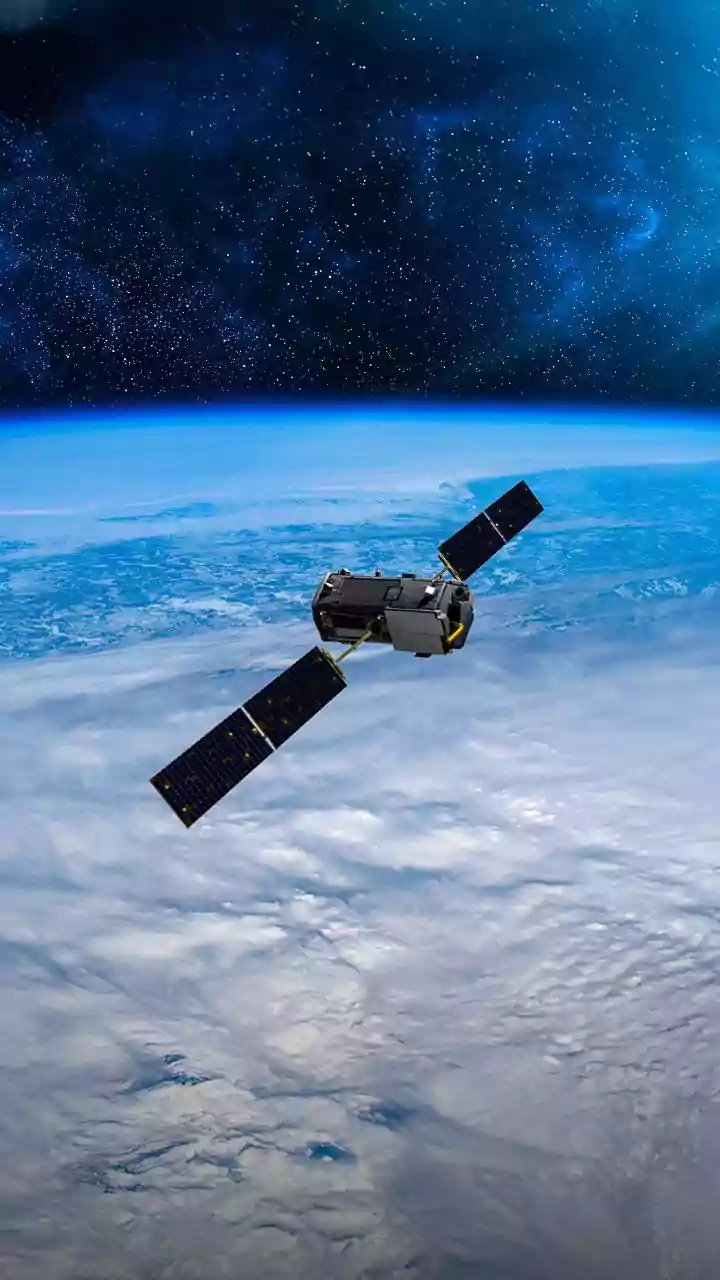
One of the most significant contributions from startups is in the 'downstream' sector, which involves using satellite data to create practical applications on Earth. Companies like Pixxel are deploying constellations of high-resolution hyperspectral satellites to provide AI-powered analytics for sectors such as agriculture, energy, and environmental protection. Another player, SatSure, uses satellite intelligence to inform decisions in banking, insurance, and infrastructure. These startups are turning raw orbital data into actionable insights that can help manage disaster relief, optimise urban planning, and monitor climate change. This focus on downstream applications represents a massive economic opportunity by moving space technology from pilot projects to widespread commercial and public use.
Forging the Tools for Exploration
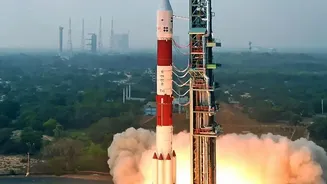
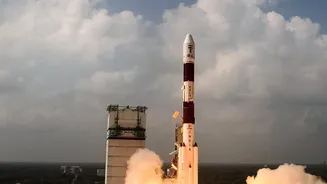
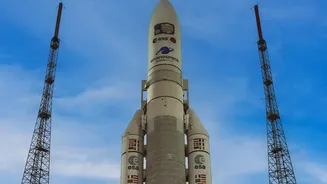
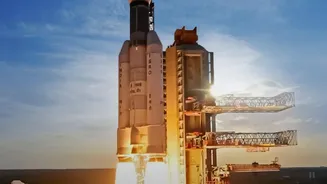
While data is crucial, you can't have a space economy without the hardware. Indian startups are stepping up in the 'upstream' sector, which includes manufacturing rockets and satellites. Hyderabad-based Skyroot Aerospace made history in July 2026 by launching Vikram-1, India's first privately developed orbital rocket, making the country only the third nation with private orbital launch capability. Similarly, Agnikul Cosmos has pioneered the use of 3D-printing to create a single-piece, semi-cryogenic engine, dramatically cutting down production time and costs. Other companies like Dhruva Space are offering comprehensive solutions, building satellites and ground station services as a complete package. This domestic manufacturing capacity is vital for building a self-reliant and robust supply chain.
Lowering the Cost of the Final Frontier
A key barrier to a thriving space economy has always been the immense cost. Indian startups are tackling this head-on by focusing on innovation, efficiency, and reusability. Agnikul's 3D-printed engines and Skyroot's carbon-composite rockets are designed to make launch services more affordable and accessible. By developing smaller, configurable launch vehicles like the Agnibaan, which can carry payloads up to 300 kg, these companies offer on-demand launches that cater to the booming small satellite market. This democratisation of space access allows smaller companies, universities, and even other nations to deploy their technology in orbit without the prohibitive expense of traditional, large-scale missions, thereby broadening the entire market.
More Than Just Rockets and Satellites
The expansion driven by space startups creates a powerful ripple effect across the wider economy. Projections indicate India's space economy could soar from its current valuation of around $8.4 billion to over $44 billion by 2033. This growth isn't just about launching rockets; it's about creating high-value jobs for engineers, data scientists, and manufacturing specialists. The rise of these companies has also attracted significant investment, with Indian space startups raising hundreds of millions of dollars. This influx of capital and talent fosters a vibrant ecosystem that spurs technological advancement and positions India as a globally competitive hub for space technology and innovation.