





An Unusually Dry August
By the standards Mumbaikars are used to, August 2026 has been surprisingly dry. According to data from the India Meteorological Department (IMD), the rainfall received in the city between August 1 and August 25 was just 302.3 mm. This figure is dramatically
lower than the same period last year, representing only about 28% of the rainfall seen in August 2025. While the season's total rainfall since June has reached 2,215.3 mm at the Santacruz observatory, which is about 95% of the average, the weakness of the August rains is notable. This has contributed to a nationwide monsoon deficit, which stood at 13% below normal as of August 26, raising concerns about the final stretch of the season.
The Bigger Picture: A National Trend
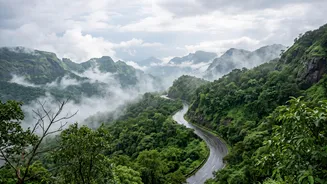
Mumbai's situation is not happening in isolation. Across India, the 2026 monsoon has been inconsistent, influenced by a strengthening El Niño phenomenon which is often linked to weaker monsoon seasons. After a significant deficit in June, July brought a brief recovery, but August has seen a return to below-average rainfall for the country as a whole. Experts note that the monsoon trough, a key driver of rainfall, has remained close to the Himalayas, depriving central and peninsular India of their typical heavy showers. As a result, 14 states were reporting deficient rainfall by late August, with the largest deficits in the east, northeast, and the southern peninsula. This widespread pattern suggests that the low rainfall in Mumbai is part of a larger, complex weather dynamic playing out across the subcontinent.
From Drought to Deluge: The New Pattern
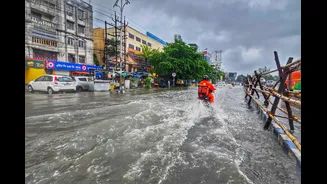
The real story of Mumbai's changing monsoon might not be about less rain overall, but how it arrives. Climate scientists and weather analysts point to an increasingly erratic pattern: long dry spells punctuated by sudden, extreme downpours. This 'drought-to-deluge whiplash' was seen earlier this season. After a delayed and weak start in June, July saw intense spells that caused flooding and brought the city to a standstill. Experts argue that global warming is the dominant force reshaping the monsoon. A warmer atmosphere and ocean can hold more moisture, leading to fewer rainy days but more intense, concentrated bursts of rain when conditions are right. This trend means the city swings from worrying about water scarcity one month to managing overwhelming floods the next.
Impact on the City's Lifeline
Despite the weak August, Mumbai's water supply situation remains stable for now. As of August 27, the seven lakes that provide the city with drinking water were collectively at 95.84% of their total capacity. This is a comfortable position, though slightly lower than the 96.74% recorded at the same time last year. The healthy lake levels are a legacy of the heavy rainfall spells in July. However, the inconsistency of the monsoon is a cause for concern. The city's infrastructure is built for a more evenly distributed rainfall pattern. Extreme downpours overwhelm drainage systems, while extended dry periods raise concerns about water security in the long run. The current pattern of unpredictability poses a dual challenge for urban planners.