






Beyond the Usual Brew
For many of us, the morning begins with a familiar routine: a cup of tea or coffee to jolt our senses awake. While these beverages have their place, they aren't the only option for shaking off sleep. In fact, sometimes the answer to morning sluggishness
isn't a sharp burst of caffeine, but a gentle, hydrating welcome. Enter warm coriander seed water, or 'dhania ka paani'. This humble drink, made from a spice found in every Indian kitchen, has been a part of traditional wellness practices for generations, valued for its subtlety and soothing properties.
What Exactly Is Coriander Water?
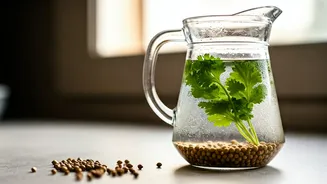
At its core, coriander water is a simple infusion. It involves soaking whole coriander seeds (the small, round seeds of the cilantro plant) in water, which is then gently heated and consumed. This process releases the seeds' essential oils and compounds into the water, creating a fragrant, earthy, and slightly sweet beverage. Unlike the strong, pungent flavour of coriander leaves (dhaniya patta), the seeds impart a milder, warmer taste that is pleasant and easy to drink. This practice is deeply rooted in Ayurveda, where coriander is considered a tridoshic spice, meaning it is believed to be balancing for all body types.
Potential Perks of the Practice
While 'fixing' morning sluggishness is a strong claim, incorporating coriander water into your routine may offer supportive benefits. First and foremost, it's an excellent way to hydrate. After a long night's sleep, your body is naturally dehydrated, which can contribute to feelings of fatigue and brain fog. Starting with warm water helps kickstart your metabolism and replenishes lost fluids. From a traditional Ayurvedic perspective, coriander seeds are prized for their digestive properties. They are believed to stimulate digestive enzymes, which can help ease bloating and indigestion, making you feel lighter and more comfortable. Furthermore, coriander seeds are a good source of antioxidants, which help combat oxidative stress in the body. While not a magic bullet, this simple habit contributes to your overall wellness, which is the foundation of feeling energetic.
Your Simple How-To Guide
Making coriander seed water at home couldn't be simpler. You don't need any special equipment—just a common spice and water. Here's a basic recipe to get you started: 1. **Measure**: Take one tablespoon of whole coriander seeds. 2. **Soak (Optional but Recommended)**: Place the seeds in one glass (about 250 ml) of drinking water and let them soak overnight. This helps in extracting more of the nutrients. 3. **Boil**: In the morning, transfer the water along with the seeds into a saucepan. Bring it to a boil and let it simmer for 5-7 minutes, or until the water reduces slightly. This deepens the infusion. 4. **Strain and Sip**: Turn off the heat and let it cool down to a warm, drinkable temperature. Strain the water into a mug to remove the seeds. Drink it on an empty stomach for the best experience. You can lightly crush the seeds before soaking to release more flavour and oils.
Making It a Morning Ritual
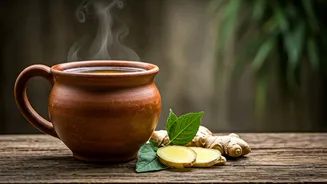
The key to seeing any benefit from a wellness practice is consistency. Try to make this a part of your daily routine. Prepare it while your regular tea is brewing or as the first thing you do when you enter the kitchen. To keep it interesting, you can add a squeeze of lemon juice for a dose of Vitamin C or a small piece of ginger while boiling for an extra digestive kick. The goal is to create a mindful moment for yourself. Instead of rushing, take a few minutes to sit and sip the warm water, focusing on the simple act of nourishing your body. This small pause can set a calmer, more intentional tone for the rest of your day.
A Note on Expectations
It's important to remember that coriander water is a supportive habit, not a medical cure. Persistent and severe morning sluggishness can be a symptom of underlying issues like sleep apnea, nutritional deficiencies, or other health conditions. If your fatigue is debilitating, it's crucial to consult a doctor. Additionally, while coriander is safe for most people, those with allergies to similar plants like fennel or anise should exercise caution. Think of this practice as one piece of the puzzle, complementing other healthy habits like getting enough sleep, eating a balanced diet, and managing stress.