
The Secret Bid That Won 'Sir' Jadeja
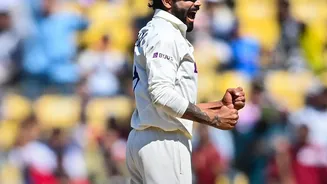
Ravindra Jadeja has been a cornerstone of CSK's success for over a decade, but his arrival at the franchise was the result of a dramatic, high-stakes auction battle in 2012. After the Kochi Tuskers Kerala team was terminated, Jadeja was one of the hottest
properties available. Both CSK and the Deccan Chargers were desperate to sign the all-rounder, pushing the bid to the maximum permissible limit of $2 million. With both teams locked in a stalemate, a rare 'secret tie-breaker' was invoked. Each franchise submitted a confidential, additional bid in writing. CSK's secret offer was higher, securing them the services of a player who would go on to become a franchise legend and future captain. It was a behind-the-scenes masterstroke that altered the course of IPL history.
The Royal History Behind the Lion Logo
The roaring lion has become synonymous with CSK's fearless attitude, but its origins are not just a generic symbol of power; they are deeply rooted in local history. The emblem was inspired by the sigil of the ancient Pallava dynasty, a powerful empire that ruled the region around Chennai for centuries. The Pallavas' emblem featured a majestic lion, representing courage and royalty. By adopting this symbol, CSK connected its modern identity to the rich, historical legacy of the Tamil heartland. The team's name, 'Super Kings', also has a dual meaning, paying homage to the owner India Cements' 'Coromandel King' brand while reinforcing the royal, lion-hearted theme.
The Million-Dollar Man Who Barely Played
In the 2009 IPL auction, CSK made headlines by signing English all-rounder Andrew 'Freddie' Flintoff for a staggering $1.55 million, making him the joint-most expensive player at the time. The excitement was immense, with fans eager to see the charismatic superstar don the yellow jersey. However, the dream signing quickly turned into a curious case of what could have been. Flintoff played in just three matches for the Super Kings, struggling for form with both bat and ball. His brief and expensive stint came to an abrupt end when he suffered a knee injury that required surgery, forcing him out of the rest of the tournament. He never played for CSK again, making him one of the costliest and most short-lived investments in the team's history.
The Unsung Hero of the Inaugural Season
While the likes of MS Dhoni and Suresh Raina dominated the headlines in CSK's run to the 2008 final, an unlikely hero emerged with the ball: Manpreet Gony. A relatively unknown pacer from Punjab, Gony was a surprise package, consistently rattling top-order batsmen with his pace and bounce. He finished the inaugural season as CSK's leading wicket-taker and the fourth-highest overall in the tournament with 17 wickets in 16 matches. His stellar performance was instrumental in the team's success and even earned him a call-up to the Indian national team that same year. Though his IPL career eventually faded, Gony’s breakout 2008 season remains a classic story of an underdog seizing his moment on the biggest stage.
The Accidental Sea of Yellow
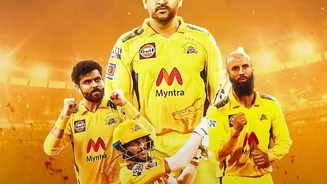
The sea of yellow that floods Chepauk and stadiums across the country is an iconic sight, a symbol of CSK's massive and loyal fanbase. However, the choice of yellow for the team's jersey wasn't born from a grand marketing strategy or deep cultural symbolism. The reason was much simpler: it was the corporate colour of the team's owner, India Cements. While the colour is often associated with vibrancy and the cultural fabric of Tamil Nadu, its initial selection was a straightforward branding decision. The 'Yellove' and 'Whistle Podu' phenomena grew organically around this colour, transforming a corporate choice into one of the most powerful and recognizable identities in world cricket.