





1. It Breathes Life Back into Your Home
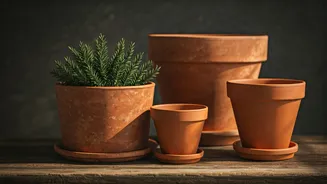
Unlike plastic, which is a synthetic, non-porous material, terracotta is fundamentally earth. Made from clay baked at low temperatures, it remains porous, allowing air and moisture to pass through it. This quality is a game-changer for indoor plants.
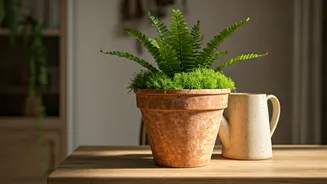
A plant in a plastic pot can easily suffer from root rot because excess water has nowhere to go. In a terracotta pot, the porous walls wick away extra moisture, preventing waterlogging and allowing the roots to breathe. This simple scientific property creates a healthier micro-environment for your green companions, turning your home into a place where life genuinely thrives.
2. It Reduces Your Toxin Load
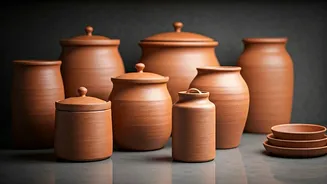
We are increasingly aware of the chemicals that pervade modern life. Many plastics, especially older or cheaper varieties, can leach chemicals like BPA and phthalates over time, particularly when exposed to heat or sunlight. While the risk from a plastic plant pot may seem minimal, the cumulative effect of plastics in our environment—from food containers to furniture—is a growing concern. Handmade terracotta, on the other hand, is a pure, natural material. It is simply fired clay, free from synthetic additives and industrial chemicals. By choosing terracotta for planters, water storage (like a traditional *matka*), or even decorative items, you are actively reducing the presence of synthetic materials and potential toxins in your personal sanctuary.
3. It Connects You to a Rich Heritage
Every piece of handmade terracotta tells a story. This isn't a mass-produced item from a factory; it's a piece of culture shaped by a potter's hands. In India, the tradition of pottery dates back thousands of years, from the Indus Valley Civilization to the vibrant artisanal communities that exist today. When you buy a handmade terracotta planter or jug, you are not just acquiring an object. You are becoming a patron of an ancient craft, supporting the livelihood of local artisans and their families, and helping keep a beautiful, sustainable tradition alive. This connection adds a layer of meaning and soul to your home that a plastic product simply cannot replicate.
4. It Cultivates a Grounding Aesthetic
The visual and tactile experience of terracotta is inherently calming. Its warm, earthy tones—ranging from pale ochre to deep rust—and its slightly rough texture provide a natural counterpoint to the sleek, cold surfaces of screens and modern gadgets. Plastic often tries to imitate other materials, but it always feels artificial. Terracotta is unapologetically itself: honest, humble, and beautiful in its imperfection. Incorporating these natural elements into your decor helps ground your space, making it feel more serene and connected to the outside world. This visual quietness can have a profound effect on your mental well-being, reducing the subtle stress induced by a cluttered or artificial environment.
5. It's a Choice That Heals the Planet
The lifecycle of plastic is notoriously destructive. Its production relies on fossil fuels, and its disposal clogs landfills and pollutes oceans for centuries, breaking down into harmful microplastics. Terracotta offers a far gentler alternative. It is made from a renewable resource—clay—and if it breaks, it can biodegrade and return to the earth without releasing toxins. By consciously choosing terracotta over plastic, you are making a small but powerful vote for a more sustainable future. This act of mindful consumption extends the sense of healing beyond the four walls of your home to the planet itself.