

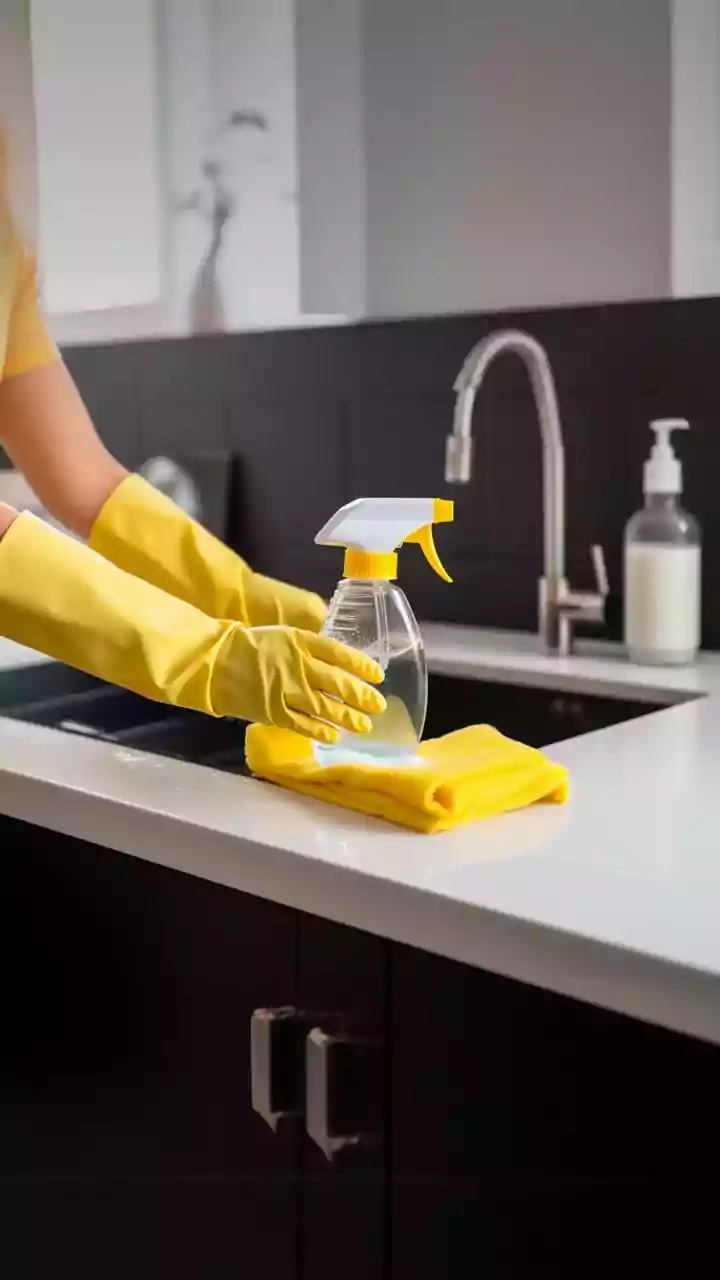






Why Go Low-Chemical This Monsoon?
The shift toward eco-friendly and natural cleaning solutions in India is driven by a growing awareness of health and the environment. Harsh chemical cleaners can contain ingredients like ammonia and bleach, which may cause respiratory irritation and skin
issues, especially in poorly ventilated, humid homes. Natural alternatives are often gentler on surfaces, which is a significant advantage for renters who need to avoid damaging floors, walls, and furniture. Furthermore, many DIY solutions are cost-effective, using ingredients already found in most Indian kitchens. This approach is not only safer for families with children and pets but also reduces the amount of chemical waste entering waterways.
Your Natural Cleaning Toolkit
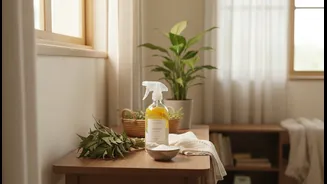
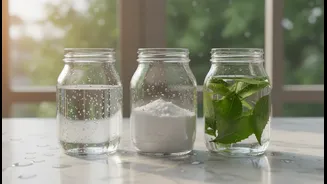
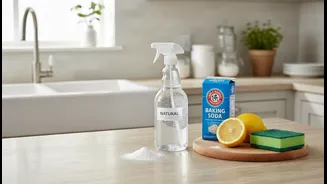
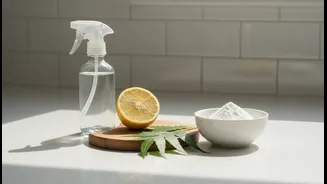
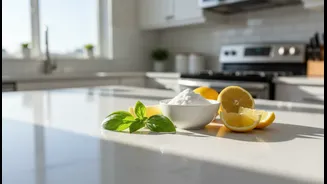
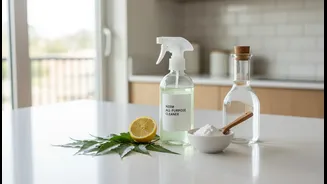
Before you begin, gather your essentials. These simple, powerful ingredients form the backbone of your low-chemical cleaning arsenal. White vinegar is a star player; its acidic nature helps to disinfect and break down grime. Baking soda is a gentle abrasive that cleans surfaces and neutralises odours. Lemon juice acts as a natural bleaching agent and leaves a fresh scent, while its acidity cuts through grease. Salt can be used for scrubbing and, when combined with other ingredients, tackles stubborn stains. Traditional Indian powerhouses like neem leaves offer natural insect-repellent properties, and essential oils like tea tree, lemongrass, or eucalyptus can be used for their antibacterial qualities and to combat musty odours.
Tackling Mould and Mildew
Mould is the number one enemy during the monsoon. For black spots on bathroom tiles or damp walls, a simple paste of baking soda and white vinegar is highly effective. Apply the paste, let it sit for about 15 minutes, scrub with an old toothbrush, and wipe clean. For a spray solution, mix equal parts white vinegar and water in a spray bottle. Spray it directly onto the mouldy surface, leave it for an hour, and then wipe it down. The key to preventing mould is good ventilation. Open windows whenever it is not raining to allow air to circulate and help dry out damp spaces. Placing bowls of rock salt or silica gel packets in damp corners can also help absorb excess moisture.
Freshening Up Wardrobes and Fabrics
The damp monsoon air can leave clothes and cupboards smelling musty. To prevent this, ensure clothes are completely dry before storing them. Placing neem leaves, camphor balls, or activated charcoal pouches inside wardrobes helps absorb moisture and repel insects. You can also place newspapers on wooden shelves to absorb dampness, a common hack in Indian homes. For a quick fabric refresher, lightly spray a diluted solution of water and a few drops of lemongrass or lavender essential oil on curtains and upholstery, but be sure to patch-test on a small, hidden area first.
A Guide for Renters
Renters face the unique challenge of needing to maintain a clean home without making permanent changes or causing damage. Always perform a spot test before applying any cleaning solution to a large area, especially on walls with distemper or matte paint, which can be delicate. For slow drains, a common monsoon issue, a mixture of baking soda and vinegar followed by boiling water can often clear the blockage without resorting to harsh chemicals. Before the monsoon fully sets in, it's wise to inspect for existing leaks or seepage and inform your landlord in writing. Documenting these issues protects your security deposit and encourages pre-emptive repairs.
Tips for Professional Home Cleaners
For professional cleaners, incorporating low-chemical methods can be a valuable service offering for health-conscious clients. Always prioritise personal safety by wearing gloves, even when using natural ingredients, as some can cause skin irritation. Understanding the right natural solution for each task—like using a vinegar solution for glass and a baking soda paste for scrubbing—improves efficiency and results. Communicating the benefits of these methods to employers, such as better indoor air quality and being safer for children and pets, can highlight your expertise. Remember to maintain high standards of personal hygiene, such as washing hands frequently, to prevent cross-contamination.