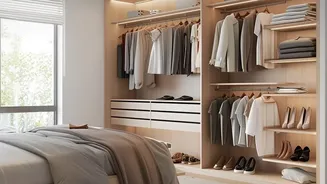

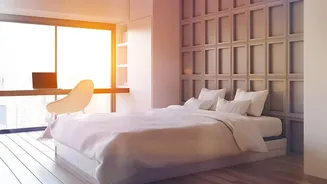
The New Corner Office is the Bedroom Corner
The single biggest catalyst for the rise of the multi-functional room is the widespread adoption of remote and hybrid work. What was once a temporary measure has become a permanent feature of professional life for many, fundamentally changing what we
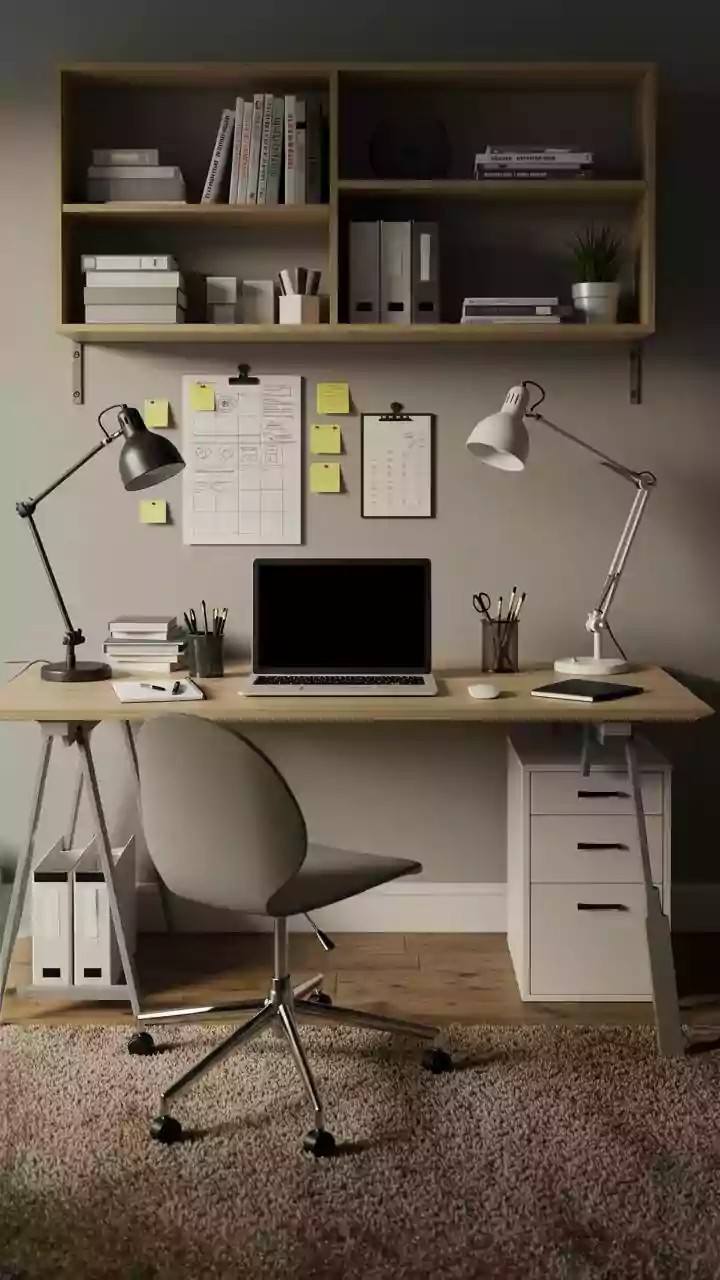
need from our homes. The guest room, the living room corner, and even balconies have been commandeered as makeshift offices. This has driven a demand for homes that are inherently more flexible. Buyers are no longer just looking at square footage, but at layouts that can accommodate a dedicated, quiet workspace without sacrificing a living area or bedroom. Developers have responded by designing new projects with built-in desk nooks and flexible floor plans that acknowledge the home is now also a place of productivity. The spare room is no longer spare; it's a strategic asset.
Beyond Work: The Quest for Wellness and Hobbies
Our homes are no longer just places to eat and sleep; they are expected to be our gyms, our yoga studios, our cinemas, and our creative corners. The growing focus on personal well-being has made people eager to carve out spaces that support their mental and physical health. A multi-use room allows for this adaptability. The same space that serves as a home office from 9-to-5 can be cleared in the evening for a yoga session or set up with an easel on the weekend. This desire for a home that nurtures personal growth and relaxation is a key driver. It's about creating an environment that supports not just your work life, but your whole life, fostering a sense of balance that is crucial in fast-paced urban settings.
The Genius of Transforming Furniture
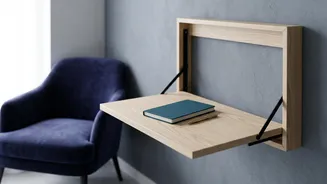
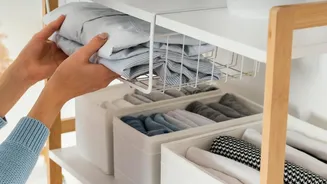
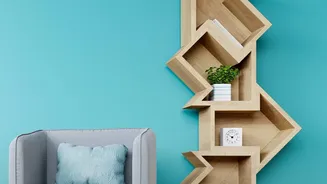
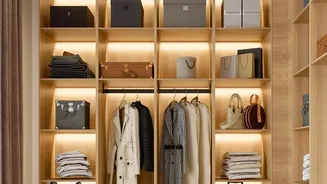
The multi-use room trend is powered by remarkable innovations in furniture design. In cities where every square foot is precious, furniture that can serve more than one purpose is not just a novelty but a necessity. Think of sofa-cum-beds that are genuinely comfortable for daily use, dining tables that fold down from a wall or expand to host guests, and modular shelving that can be reconfigured as needs change. Storage beds with hydraulic lifts offer enormous capacity for bedding and seasonal items, reducing the need for bulky cupboards. Nesting tables provide flexible surfaces that can be deployed for work, coffee, or extra seating. This new generation of 'smart' furniture is what makes a single room's transformation from office to guest room to lounge not just possible, but effortless.
An Economical and Sustainable Choice
Embracing multi-functionality is also a financially and environmentally sound decision. By investing in fewer, more versatile pieces of furniture, homeowners can save money and reduce consumption. Maximising the utility of a smaller apartment is inherently more sustainable than demanding larger spaces, which require more resources to build, heat, and cool. This mindset aligns with a growing desire for a 'slow living' approach, focused on intentional choices and meaningful possessions rather than excess. A multi-use space encourages a minimalist-adjacent lifestyle where every object must earn its place, leading to less clutter and a more conscious approach to consumption. This makes it an attractive philosophy for a generation of urban dwellers who are increasingly eco-aware.
The Psychology of an Adaptable Home
Living in a space that can adapt to your changing needs offers significant psychological benefits. An organised, flexible home can reduce stress and create a sense of calm and control, a welcome feeling amid the chaos of city life. The ability to physically separate 'work' and 'life', even within the same room, by folding away a desk or transforming a workspace into a relaxation zone, helps maintain a healthier work-life boundary. A well-designed multi-use room feels intentional and efficient, not cramped or compromised. It empowers residents, giving them the agency to shape their environment to suit their daily rhythms, which fosters a deeper sense of connection and satisfaction with their home.