





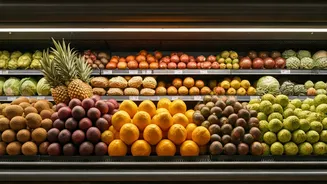


More Than Just Groceries
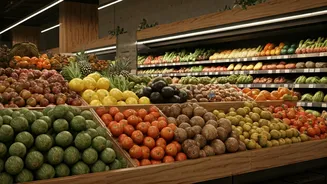
So, what exactly is supermarket tourism? It’s the practice of treating a local grocery store as a primary cultural attraction. For Indian Gen Z foodies travelling abroad or even exploring different states within India, a trip to a supermarket like a Carrefour
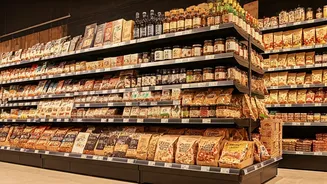
in Paris, a 7-Eleven in Tokyo, or a local kirana store in a different region is no longer a mundane chore. Instead, it’s a planned, deliberate part of the itinerary. It’s an immersive experience dedicated to discovering a country’s culture through its food aisles. They are not just picking up snacks; they are hunting for unique chip flavours, marvelling at the variety of cheeses, decoding unfamiliar produce, and admiring the aesthetic of foreign packaging. It’s a sensory deep-dive into the everyday life of a local.
The Social Media Effect
A quick scroll through Instagram Reels or TikTok confirms this trend. The platform is flooded with short, snappy videos of young Indians navigating the brightly lit aisles of international grocery stores. These are not your typical travel vlogs. They are carefully curated “supermarket hauls,” “taste tests” of exotic snacks, and point-of-view tours showcasing everything from a wall of colourful sodas in the US to an aisle of intricate pasta shapes in Italy. The visual nature of social media is a perfect match for the vibrant, aesthetically pleasing environment of a well-stocked supermarket. Each unique product becomes a piece of shareable content, a way to signal cultural curiosity and a sophisticated, non-traditional travel style. The hashtag #supermarkettourism is a rabbit hole of discovery, turning a simple grocery run into a global performance.
A Quest for Authenticity
At its core, this obsession is fuelled by Gen Z’s powerful desire for authenticity. This is a generation that has grown up wary of overly curated, tourist-trap experiences. They crave a genuine connection to the places they visit. A supermarket, by its very nature, is one of the most authentic windows into a culture. It’s where real people do their daily shopping. The products on the shelves—the specific brands of coffee, the types of bread, the popular ready-to-eat meals—tell a story about local tastes, habits, and priorities in a way that a souvenir shop never could. By walking these aisles, young travellers feel they are getting a secret, behind-the-scenes look at a destination, far from the well-trodden tourist path.
An Affordable Adventure
Let’s not forget the practical aspect. In an era of rising travel costs, supermarket tourism offers maximum cultural bang for your buck. Unlike expensive museum tickets or pricey guided tours, wandering through a grocery store is free. The items themselves are often affordable souvenirs. Bringing home a unique flavour of instant noodles or a local chocolate bar is a more personal and memorable keepsake than a generic keychain. It’s a low-cost, high-reward activity that fits perfectly into the budget-conscious mindset of many young travellers. This accessibility democratises the idea of cultural exploration, making it available to anyone with a curious mind and a shopping basket.
The New Indian Palate
This trend resonates particularly strongly with Indian Gen Z due to a confluence of factors. This generation is more globally connected than any before, exposed to international foods and cultures through movies, TV shows, and the internet. They are adventurous eaters, driving the boom in everything from Korean ramen to Mexican tacos within India. Supermarket tourism is the natural extension of this curiosity. It’s a chance to connect the dots, to see the origin of the trends they follow online, and to discover the next big thing. It represents a shift from simply consuming global culture to actively seeking it out in its native habitat.