




A New Leader for a New Era
In a strategic move signaling its deep commitment to AI, Meta announced that David Brown, a former senior vice president from Amazon Web Services (AWS) who joined the company in July, will take over as the head of infrastructure. He is succeeding Santosh
Janardhan, a 17-year veteran who has been instrumental in building Meta's global data center fleet. Janardhan will stay on through the first quarter of 2027 to ensure a smooth transition. This appointment is crucial, as it places an executive with deep experience in hyperscale cloud computing at the helm of Meta's most ambitious infrastructure project to date. Brown will also serve as the Chief Technology Officer for Meta Compute, a key initiative driving the company's AI efforts.
Building the Engine for AI
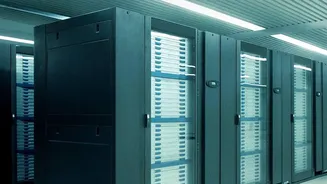
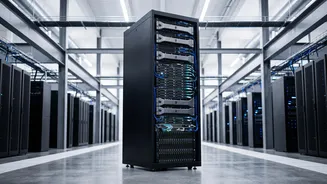
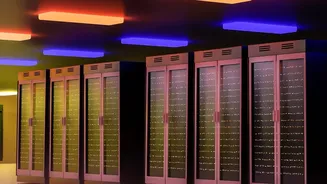
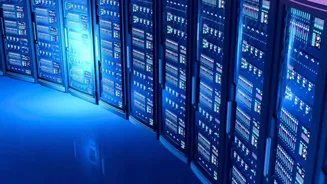
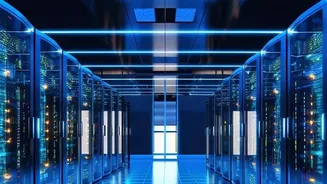
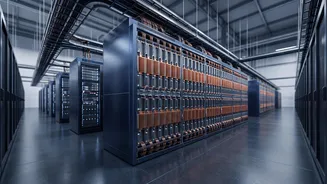
The leadership shuffle is directly tied to Meta's colossal plans for its AI data centers. The company is in the midst of what some have called the largest infrastructure buildout in human history. Capital expenditure forecasts for 2026 are projected to be between $135 billion and $145 billion, with the vast majority dedicated to AI compute infrastructure. These are not just incremental upgrades; Meta is planning massive, multi-gigawatt campuses designed to support generations of AI development. For example, its Hyperion project in Louisiana is being expanded from an initial 2-gigawatt plan to a staggering 5-gigawatt capacity, with an estimated cost soaring towards $50 billion. These facilities are being built to handle the immense computational demands of training and running advanced AI models like its Llama family.
The Strategy: Custom Chips and Vertical Integration
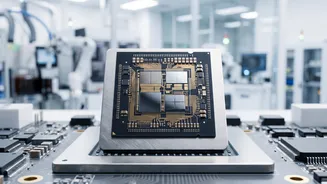
A core part of Meta's strategy is reducing its reliance on third-party chipmakers like Nvidia and controlling its own hardware destiny. The company is aggressively developing its own family of custom AI chips, called the Meta Training and Inference Accelerator (MTIA). By designing silicon specifically for its own workloads, such as the ranking and recommendation algorithms that power Facebook and Instagram feeds, Meta believes it can achieve greater efficiency and cost savings. The company is on a rapid development cycle, with plans to deploy four new generations of MTIA chips within two years. To achieve this, it has expanded its partnership with Broadcom for co-development and is working with Taiwan Semiconductor Manufacturing Co. (TSMC) for production. This vertical integration of hardware and software is a classic playbook move used by tech giants to gain a competitive edge.
Why This Matters for Billions of Users
This massive investment in infrastructure isn't just an abstract corporate goal; it's intended to directly shape the user experience across all of Meta's platforms. The goal is to power the next generation of AI-driven features, from more sophisticated content recommendations and generative AI tools to the eventual realization of 'personal superintelligence,' a concept CEO Mark Zuckerberg has mentioned. The enormous computing power is necessary to process trillions of data points in real time, making services feel more personalized and responsive. Furthermore, by building this capacity, Meta is also positioning itself as a major force in the broader AI ecosystem, with the potential to even sell spare computing capacity to other companies, much like its cloud-focused rivals.
Sustainability in the AI Arms Race
Building data centers on this scale comes with significant environmental responsibility, a fact Meta is publicly addressing. The facilities require enormous amounts of power and water. In response, Meta has committed to matching its electricity use with renewable energy and is investing in advanced cooling technologies to improve water efficiency. The company has also announced multi-year purchase commitments for lower-carbon materials like sustainable cement and near-zero-emission steel to be used in the construction of its AI data centers. These moves are part of a broader effort to mitigate the environmental impact of an industry-wide AI 'arms race' that is driving unprecedented demand for energy and resources.