



The Major Reason: Food Safety
The single biggest driver behind this trend is food safety. Raw sprouts, while nutritious, grow in warm, humid conditions—the perfect breeding ground for harmful bacteria like Salmonella and E. coli. These germs can contaminate the seeds and are notoriously
difficult to wash off. For families with young children, pregnant women, or elderly members, the risk of foodborne illness from raw sprouts is a significant concern. Cooking the sprouts, even lightly through steaming or stir-frying, effectively kills these dangerous pathogens, making them a much safer option for everyone at the dinner table. This peace of mind is a trade-off many parents are willingly making.
Better for Sensitive Stomachs
Have you ever felt bloated or gassy after eating a bowl of raw sprouts? You're not alone. Raw sprouts can be hard for some people to digest. They contain complex sugars and fibres that can cause gastrointestinal discomfort. Cooking helps break down these complex components, making the sprouts gentler on the digestive system. This is particularly beneficial for children, whose digestive tracts are still developing, and for anyone prone to digestive issues. By cooking sprouts, families are finding they can enjoy the nutritional benefits without the uncomfortable side effects, making it a more inclusive and pleasant food for everyone.
Unlocking Different Nutrients
It’s a common belief that cooking vegetables destroys all their nutrients. While it’s true that some heat-sensitive vitamins, like Vitamin C, can be slightly reduced during cooking, the process can actually enhance the availability of other nutrients. Cooking can break down anti-nutrients like phytic acid and lectins, which are compounds that can interfere with the absorption of minerals like iron, zinc, and calcium. By neutralising these compounds, your body may be able to absorb more of these vital minerals from cooked sprouts than from raw ones. So, while you might lose a little Vitamin C, you could gain better access to essential minerals, making it a worthy nutritional trade-off.
A World of Flavour and Versatility
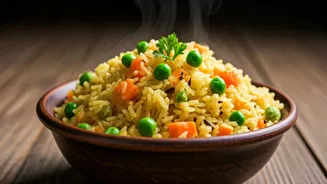
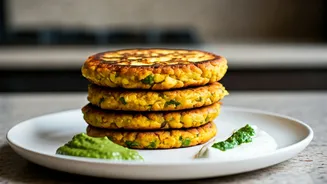
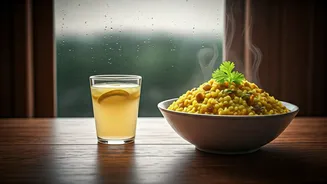
Let’s be honest: a plain bowl of raw moong sprouts isn’t the most exciting dish. The shift to cooked sprouts has opened up a whole new world of culinary possibilities that go far beyond a simple salad. Cooked sprouts have a softer texture and a milder, nuttier flavour that absorbs other seasonings beautifully. Families are now adding them to sabzis, tossing them into stir-fries with paneer and vegetables, mixing them into poha or upma for a protein boost, and even blending them into savoury cheelas or dal. This versatility makes it much easier to incorporate sprouts into a family’s daily diet in ways that even picky eaters will enjoy. It's less of a 'health chore' and more of a delicious ingredient.
Quick and Easy Cooking Methods
Contrary to what you might think, cooking sprouts doesn’t have to be a time-consuming task. A few minutes is all it takes. One of the most popular methods is a quick steam—just place the sprouts in a steamer or a colander over boiling water for 3-5 minutes until they are tender-crisp. Another great option is to stir-fry them in a little oil with ginger, garlic, and your favourite spices for a fast and flavourful side dish. You can even blanch them by dropping them in boiling water for one minute and then plunging them into cold water. These simple methods preserve most of the nutrients while ensuring the sprouts are safe and easy to digest.