





A cornerstone of South Asian diplomacy, the 1996 Ganges Water Treaty between India and Bangladesh, is nearing the end of its 30-year term. As the 2026 deadline approaches, both nations are preparing for crucial negotiations that will test their relationship.
A Landmark Diplomatic Achievement
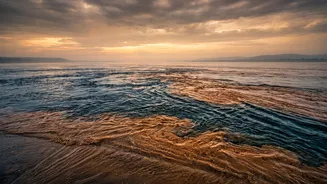
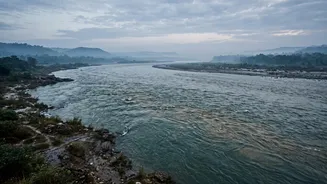
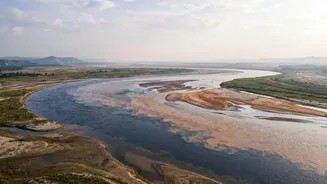
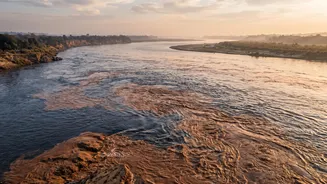
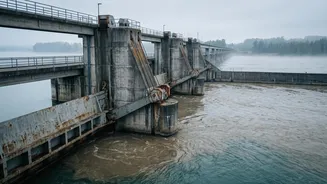
Signed on December 12, 1996, the Ganges Water Treaty was a major breakthrough in resolving a long-standing dispute over water rights. The core of the conflict was the Farakka Barrage, a structure India commissioned in 1975 about 18 kilometres from the Bangladeshi border to divert water into the Hooghly River and preserve the functionality of the Kolkata port. For Bangladesh, the lower riparian country, this diversion had severe consequences, particularly during the dry season from January to May. The 1996 treaty provided a detailed formula for sharing the Ganges' flow at Farakka during this critical period, bringing a measure of predictability and cooperation to a contentious issue. It was celebrated as a model for resolving transboundary water conflicts and became a symbol of a strengthening India-Bangladesh partnership.
An Imperfect Peace
For three decades, the treaty has largely held, preventing major conflict over water. A Joint Rivers Commission was established to monitor the agreement, ensuring a mechanism for implementation was in place. However, the accord has not been without its critics, especially in Bangladesh. Many argue that the Farakka Barrage has led to irreversible environmental damage, including increased salinity in southwestern Bangladesh, degradation of agricultural land, and devastation of fisheries. Some studies have indicated that Bangladesh has not consistently received its guaranteed share of water during the most critical dry periods. Furthermore, the opposition Bangladesh Nationalist Party (BNP) has consistently argued that the 1996 treaty, signed by the Awami League government, was a poor replacement for a 1977 agreement that included a stronger 'guarantee clause' for minimum water flow.
The Shadow of the Teesta
The upcoming Ganges negotiations do not exist in a vacuum. They are heavily shadowed by another, more stubborn water dispute over the Teesta River. The Teesta is a major river supporting agriculture in northern Bangladesh, but an agreement on sharing its waters has been stalled since 2011. At that time, a deal was ready to be signed but was blocked by opposition from West Bengal's Chief Minister, Mamata Banerjee, who argued it would harm her state's interests. This failure has remained a significant irritant in bilateral relations. For many in Bangladesh, a successful renewal of the Ganges pact is intertwined with progress on the Teesta issue, creating a complex diplomatic challenge where one negotiation is invariably linked to the other.
New Realities, New Demands
The world of 2026 is vastly different from that of 1996. Climate change is altering rainfall patterns and river flows, making historical water availability data less reliable. Simultaneously, domestic demand for water has surged in both countries due to population growth and industrialisation. In India, there are growing calls from states like Bihar to renegotiate the treaty to protect their own increasing water needs. Meanwhile, Bangladesh is moving forward with its own major infrastructure, like the proposed Padma Barrage, to mitigate water scarcity, adding another layer of complexity. These modern pressures mean that a simple renewal of the old terms is unlikely to satisfy either side.
The Path to a New Agreement
With the treaty set to expire in December 2026, the clock is ticking. Both governments have begun preparations, with Bangladesh forming a technical committee to lead its negotiations. Dhaka is reportedly seeking a new, longterm agreement that includes a guarantee clause and takes a more holistic, basinwide approach. India has acknowledged the upcoming expiry and indicated that discussions are ongoing at a technical level through the Joint Rivers Commission. Recent reports suggest that a straightforward renewal is unlikely, with considerations being given to significant changes, possibly including a shorter treaty duration. The outcome will not only determine the flow of water but also the flow of goodwill and stability between two of South Asia's most important neighbours.