





The Land Where Clouds Reside
Meghalaya, 'the abode of clouds,' transforms into an entirely different realm when the monsoon arrives. This isn't just a drizzle; it's a world-defining event. Home to Mawsynram and Cherrapunji, two of the wettest places on Earth, the state embraces the rain
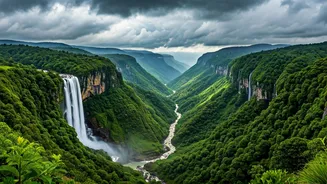
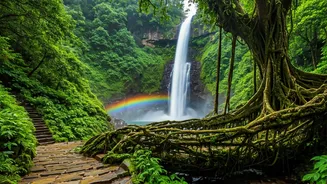
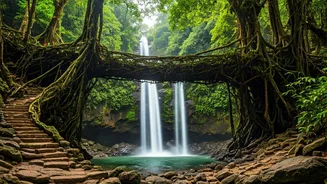
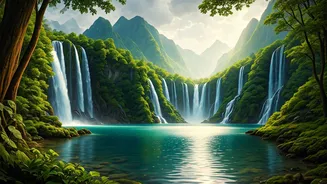
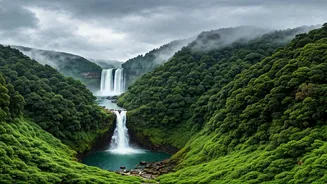
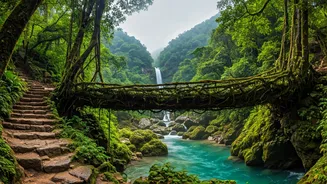
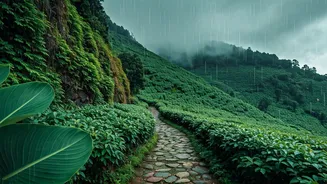
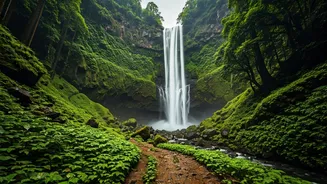
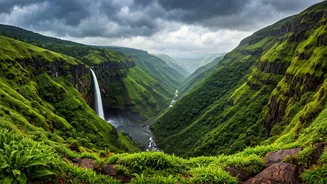
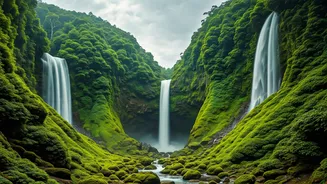
not as an inconvenience but as the very source of its lifeblood. From June to September, the landscape explodes in an impossible spectrum of greens. Hillsides cloaked in mist, valleys echoing with the roar of countless new waterfalls, and ancient living root bridges glistening with moisture—it’s a complete sensory immersion. The constant, gentle drumming of rain becomes the soundtrack to your days, forcing a slowdown that our hyper-connected lives rarely permit.
The Science of Green and Quiet
The feeling of calm that descends upon you in Meghalaya’s monsoon isn’t just a placebo effect. There is a growing body of scientific evidence supporting the idea that exposure to nature has profound mental health benefits. The dominant colour, green, is known in colour psychology to be restful for the human eye, promoting feelings of balance and harmony. Studies have shown that simply looking at green spaces can lower cortisol levels, the body's primary stress hormone. This concept, often called 'ecotherapy,' suggests our brains are hardwired to find natural environments restorative. In Meghalaya, you are not just looking at a patch of green; you are enveloped by it. The sheer density of the foliage creates a living, breathing cocoon that quiets the mind.
A Symphony for the Senses
A mental reset goes beyond just what you see. The monsoon in Meghalaya is a full-body experience. There’s the distinct, earthy fragrance of petrichor—the smell of rain hitting dry soil—that is known to evoke powerful, positive emotions and memories. There's the clean, cool air, rich with oxygen from the dense vegetation, that feels purifying with every breath. The auditory landscape is equally therapeutic. Instead of traffic horns and digital notifications, your ears are filled with the meditative patter of rain on leaves, the gush of streams, and the distant calls of unseen birds. This natural soundscape helps to reduce mental fatigue and promotes a state of 'soft fascination,' where your attention is held effortlessly, allowing your mind to wander and recover.
The Art of Doing Nothing
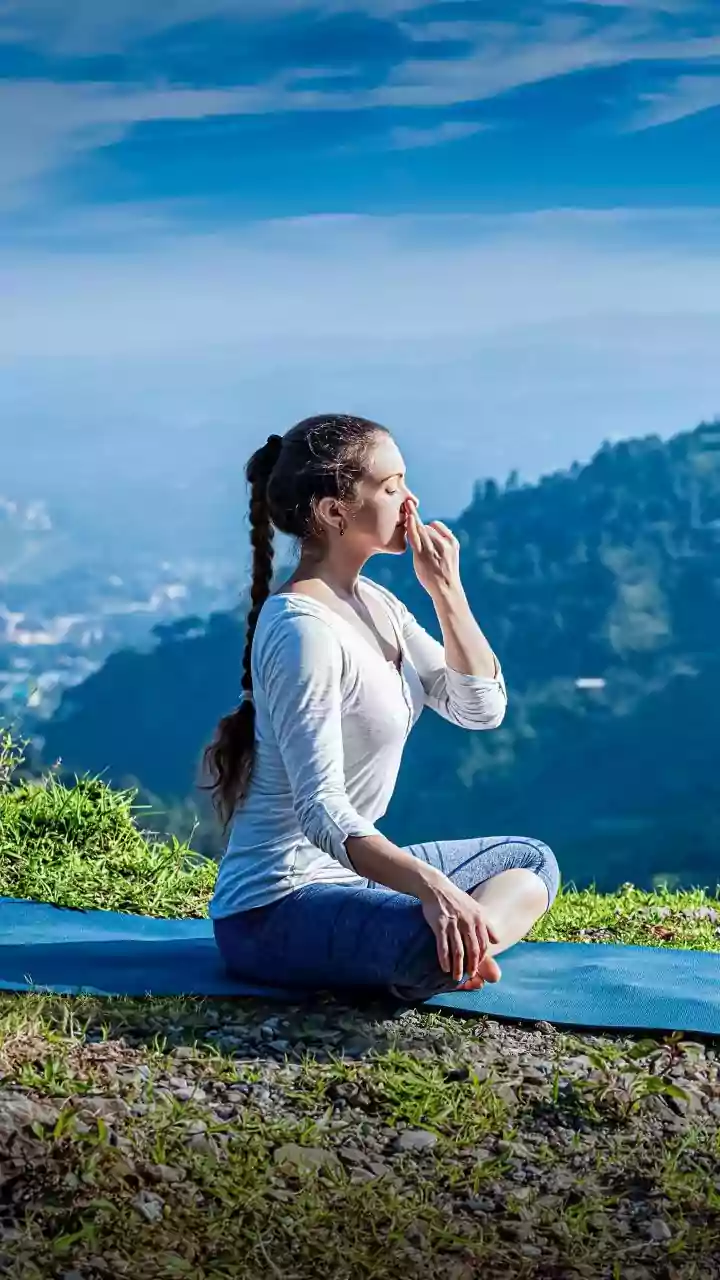
Perhaps the most potent aspect of a Meghalayan monsoon retreat is the permission it grants you to simply be. The weather often curtails frantic sightseeing plans, encouraging a slower, more mindful pace. This is the perfect environment to practice what the Japanese call 'Shinrin-yoku' or 'forest bathing.' It’s not about hiking or exercise; it’s the simple act of being calm and quiet amongst the trees, observing nature around you while breathing deeply. Finding a cosy homestay with a view, sipping on a hot cup of tea while watching the clouds drift by, or taking a slow walk through a misty forest path becomes the day’s main event. This intentional inactivity is a powerful antidote to the cult of productivity that drives so much of our daily stress and anxiety.
Finding Your Monsoon Sanctuary
While the entire state is a haven, certain spots amplify the experience. Stay near the living root bridges in the Nongriat area to witness nature's engineering marvels at their most vibrant. Drive from Shillong to Cherrapunji and stop at the countless viewpoints that open up to misty, dramatic valleys. Explore the sacred groves near Mawphlang, where ancient traditions have preserved pockets of pristine forest. The key is to avoid a checklist-driven itinerary. Instead, choose a base—perhaps a quiet guesthouse in a village or a boutique stay overlooking a valley—and let the rhythm of the rain dictate your days.