





The Reign of the Fritter
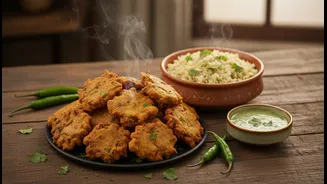
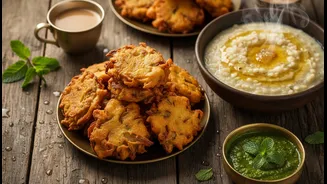
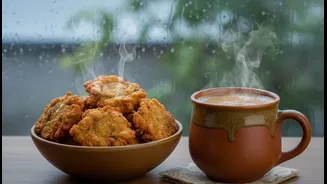
There is nothing wrong with our love for pakoras, samosas, and bhajiyas when it rains. These deep-fried snacks are more than just food; they are a multi-sensory experience, a nationwide cultural shorthand for comfort and nostalgia. Street vendors and home
kitchens alike fire up their woks, and the sizzle of batter hitting hot oil becomes the soundtrack to the downpour. This shared tradition connects us, a delicious and accessible ritual that transcends state lines. The pakora is democratic, easy to love, and even easier to find. Its dominance in our monsoon food narrative is understandable. It's the taste of a collective memory, a warm, crunchy shield against the grey dampness outside.
What We Lose in the Cliché
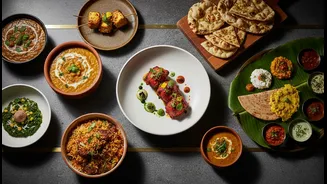
But a story told too often risks becoming a stereotype, and the pakora-and-chai narrative, for all its warmth, flattens a wonderfully complex culinary map. By focusing only on this singular pairing, food media and popular culture often overlook the vast and varied universe of regional monsoon foods. This isn't just a missed opportunity for our palates; it's a missed chance to understand the deeper story of India. Food is a marker of identity, history, and place. When we reduce the monsoon food story to a single snack, we erase the unique histories, agricultural realities, and community traditions of countless regions.
A Culinary Map of the Monsoon
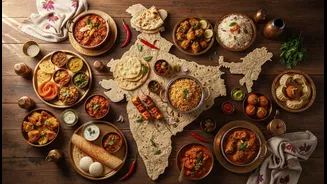
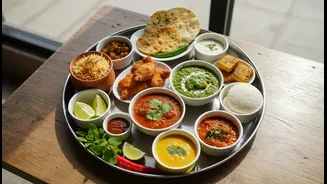
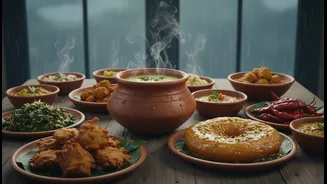
The true food story of the Indian monsoon is not one dish, but thousands. In Bengal, the season is synonymous with the arrival of Hilsa fish, celebrated in dishes like Shorshe Ilish, a pungent mustard curry. Down in Kerala, the rainy month of Karkidakam is marked by the consumption of Karkidaka Kanji, a medicinal rice porridge packed with herbs to boost immunity. In the coastal and Malnad regions of Karnataka, steamed rice dumplings called Pundi Gatti are a healthy and filling staple. From Goa's preserved prawn kismoor to the foraged wild greens like cassia tora in Konkan kitchens, the list is endless. Even within the world of fritters, there is so much more than the onion pakora, from Bengal's Beguni (eggplant fritters) to Tamil Nadu's Egg Bonda.
More Than Just a Recipe
These dishes are not just alternatives to the pakora; they are narratives on a plate. They tell stories of what grows locally when the rains come, like the wild mushrooms and ferns foraged in hilly areas. They speak of Ayurvedic wisdom, with meals designed to be warming, light, and easy to digest during a season when the body is considered more vulnerable. They reflect economies of preservation, where summer's bounty of fish, jackfruit, or mangoes is dried or pickled to be savoured during the wet months. The story of Paa Saa, a tangy fish soup from Arunachal Pradesh, is a story about the Tai Khamti tribe and their relationship with the cold, damp climate. That is a story worth telling.