




The Monsoon Comfort Conundrum
When the skies open up, our kitchens often follow suit with an array of deep-fried, rich, and indulgent foods. Pakoras, bhajiyas, samosas, and buttery pav bhaji are staples of the Indian monsoon experience, offering a delicious, warming respite from the damp
chill. These foods are more than just snacks; they are woven into the cultural fabric of the season, associated with family, conversation, and the simple joy of watching the rain with a cup of chai. Yet, this indulgence often comes at a cost. Heavy, oily foods can lead to feelings of bloating, lethargy, and general discomfort, turning a comforting experience into a regrettable one.
Fibre: The Unsung Hero
The solution isn't to abandon your favourite comfort foods, but to make them smarter. The secret ingredient? Fibre. Dietary fibre is a type of carbohydrate that our bodies can't digest. It comes in two forms: soluble and insoluble. Soluble fibre dissolves in water to form a gel-like substance, which slows down digestion. This is key to making food feel less 'heavy'. By slowing the absorption of sugars, it prevents the sharp blood sugar spikes that can lead to energy crashes. It also helps you feel fuller for longer, reducing the urge to overeat. Insoluble fibre adds bulk to your stool, promoting regularity and keeping your digestive system running smoothly. Together, they work to make your meal satisfying and nourishing, not just filling.
Smart Swaps for Fried Favourites
Let's talk about the undisputed king of monsoon snacks: the pakora. Instead of using refined flour (maida), which has little to no fibre, stick to traditional gram flour (besan). Besan, made from chickpeas, is naturally higher in both protein and fibre. You can boost it further by adding a tablespoon of oat flour or powdered flax seeds to the batter. Sneak in finely grated vegetables like carrots, cabbage, or zucchini for extra fibre and nutrients. Instead of deep-frying, consider using an air fryer or baking your pakoras. You'll get a satisfying crunch with a fraction of the oil. The same principle applies to samosas and kachoris; look for baked recipes and whole-grain flour wrappers.
Reinvent Your Grains
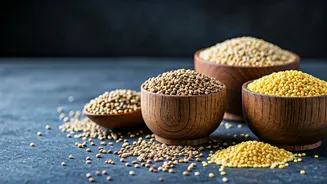
Many rainy-day meals revolve around grains, from the rice in khichdi to the bread in pav bhaji. This is an easy area for a high-fibre upgrade. Swap white rice for brown rice in your khichdi or pulao. Better yet, explore India's wealth of traditional millets. Ragi, jowar, and bajra are packed with fibre and add a delicious, nutty flavour to dishes. Instead of white bread pav, opt for whole wheat versions. When making rotis or parathas, use whole wheat atta and consider mixing in other flours like ragi or jowar for a multi-grain boost. Adding pureed spinach or fenugreek (methi) to your dough is another simple way to increase its fibre content.
Power Up with Pulses and Vegetables
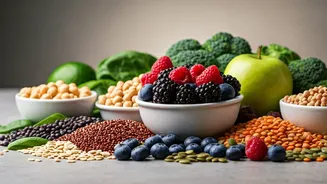
Indian cuisine is already rich in pulses and legumes, which are fibre powerhouses. Dishes like rajma, chana masala, and dal are fantastic comfort foods. To make them even better, be generous with vegetables. Onions, tomatoes, and leafy greens all contribute to the fibre count. When making pav bhaji, for example, reduce the potato content slightly and increase the amount of carrots, peas, bell peppers, and cauliflower. A hearty bowl of vegetable-laden sambar served with steamed idlis or a bowl of sprouted moong chaat are other excellent, light-yet-comforting options that are naturally high in fibre.