



The Great Indian Squeeze
Across India's bustling metropolitan hubs, the story is the same: apartments are shrinking. Driven by rising property prices and a demographic shift towards smaller households, developers are building more compact units. In cities like Mumbai, the average
apartment size has seen a significant reduction over the last decade, a trend also visible in other metros like Bengaluru and Pune. This isn't just a real estate statistic; it's a daily reality that shapes how people live, work, and relax. The challenge is no longer just about decorating a home but engineering it for maximum efficiency without sacrificing comfort. This necessity has become the mother of invention, sparking a creative revolution in furniture design that prioritizes intelligence over sheer size.
The Rise of Transformer Furniture
The most prominent trend is the move towards multifunctional or 'transformer' furniture. These are the chameleons of the modern home, changing form to meet different needs throughout the day. The classic sofa-cum-bed remains a champion, evolving from a clunky occasional piece to a stylish and comfortable primary seating and sleeping solution. But the innovation doesn't stop there. Think of dining tables that fold away into slim consoles, coffee tables that lift to become workstations, and nesting stools that can be pulled out for guests and tucked away neatly afterwards. The goal is to allow a single room to serve multiple roles—a living room by day, a guest room by night, and a home office on weekdays. This adaptability is the cornerstone of compact urban living.
Thinking Vertically, Not Horizontally
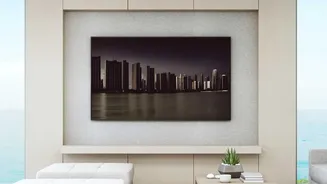
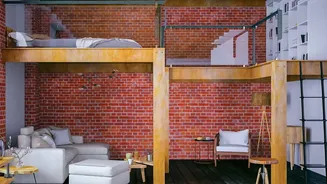
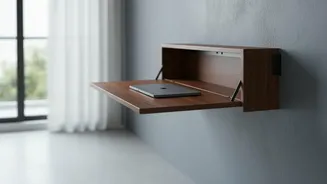
When floor space is at a premium, the only way to go is up. Designers are increasingly focused on utilizing vertical space to draw the eye upward and free up the ground. Wall-mounted shelves and floating TV units create an illusion of spaciousness by keeping the floor clear. Floor-to-ceiling wardrobes and tall, narrow bookcases maximize storage capacity without a large footprint. Loft beds are another clever solution, lifting the sleeping area to open up room below for a desk or a small seating nook. This vertical approach not only provides practical storage and function but also makes a room feel taller and more open, combating the claustrophobic feel of a small, cluttered space.
The Art of Hidden Storage
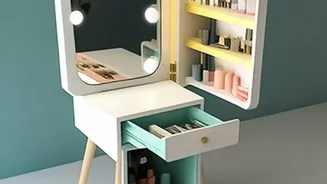
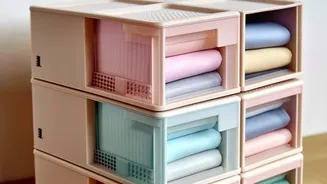
Clutter is the enemy of a small home. To combat it, furniture is now designed with 'invisible' storage. Hydraulic beds that lift to reveal a large compartment underneath are a game-changer for bedrooms, perfect for stowing away bulky luggage, seasonal bedding, and other items. Ottomans and benches with lift-up tops provide both extra seating and a place to hide away magazines, remote controls, and toys. Even kitchen designs are embracing this, with modular units that feature clever pull-out racks and corner solutions to ensure no space is wasted. This trend is about creating a calm, organised environment where everything has a place, keeping visual noise to a minimum.
Creating Illusions with Light and Lines
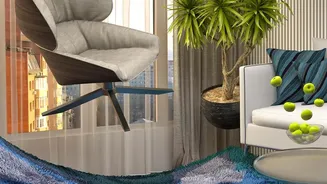
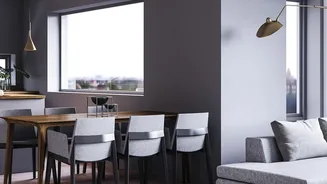
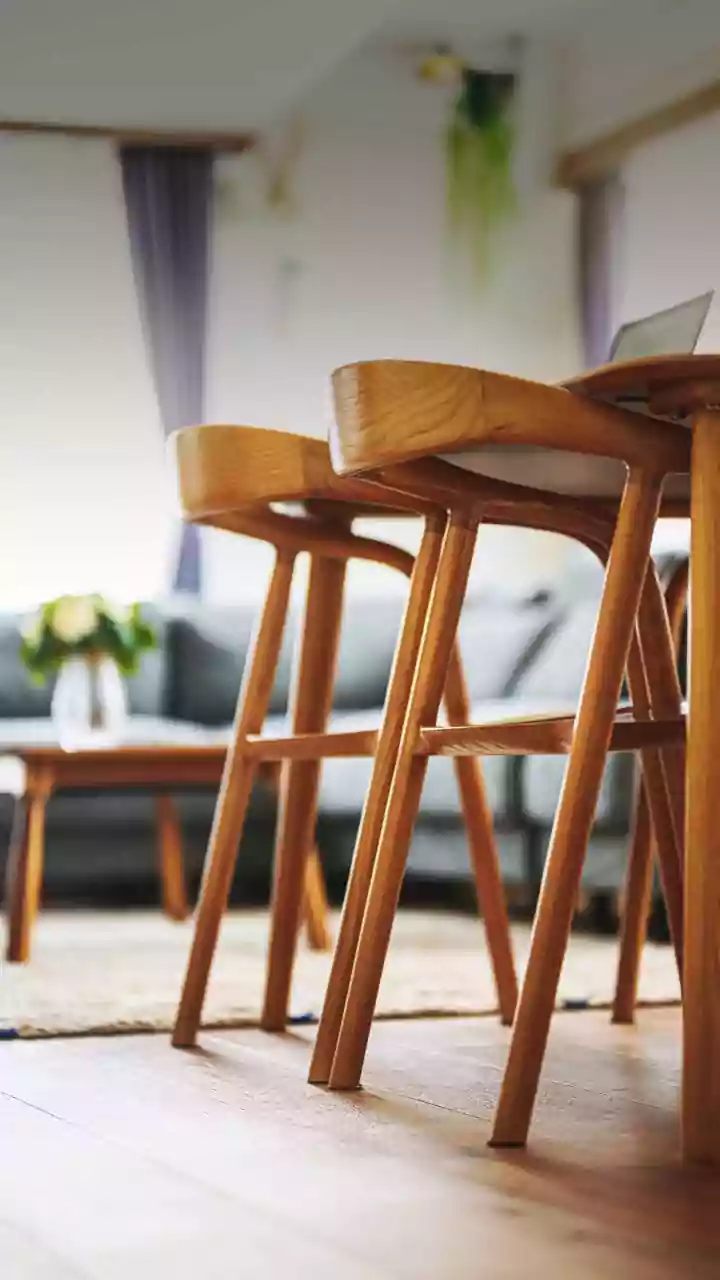
Beyond pure function, modern space-saving furniture uses design psychology to make rooms feel bigger. Pieces with slender, raised legs—as seen in Scandinavian and Japandi design styles—allow you to see more of the floor, which creates a sense of openness. The materials and colours used also play a crucial role. Light-coloured woods, pale fabrics, and the use of reflective surfaces like mirrors and glass help bounce natural and artificial light around the room. A well-placed mirror can visually double the size of a space. This focus on visual lightness ensures that even the most functional furniture doesn't feel heavy or bulky, contributing to an airy and inviting atmosphere.