

A Festive Tradition Reimagined
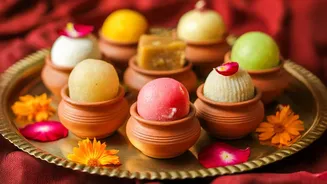
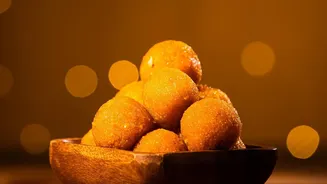
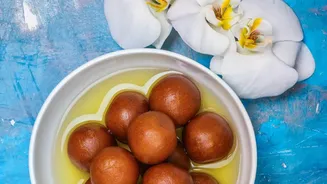
Janmashtami celebrations in India are a feast for the senses, marked by devotional songs, midnight prayers, and an abundance of rich, decadent sweets offered as 'bhog'. For generations, treats like Panjiri, Ladoos, and Peda, often laden with refined sugar
and flour, have been central to the festivities. However, a quiet but powerful shift is underway. Across the country, young chefs, home bakers, and health-aware families are reimagining these timeless recipes for the modern palate. This movement isn't about discarding tradition; it's about evolving it. By swapping out processed ingredients for wholesome alternatives, they are creating sweets that are not only delicious but also align with a growing collective consciousness around mindful eating and wellness. This ensures that everyone, including those with health conditions or dietary restrictions, can partake in the festive joy without compromise.
The New Guard of Festive Food
The headline-making "youth collectives" are not just formal groups; they represent a groundswell of innovation happening in home kitchens and online food communities. These are young culinary enthusiasts, hospitality students, and digital-savvy home chefs who are passionate about preserving their cultural heritage. They see an opportunity not to replace, but to refine. By sharing their creations on social media and through small, local businesses, they are championing a new philosophy: festive food can and should be nourishing. This trend is part of a larger movement in Indian cuisine where young chefs are confidently blending tradition with innovation, focusing on indigenous ingredients and regional techniques. Their work celebrates culinary heritage by making it relevant and accessible for a new generation that values both authenticity and health.
The Healthy Ingredient Swap-Out
The secret to modernising these sweets lies in smart ingredient substitutions. Refined white sugar is the first to go, replaced by a host of natural sweeteners that offer flavour and nutritional benefits. Jaggery (gur), with its earthy sweetness and iron content, is a popular choice for everything from laddoos to payasam. Dates, ground into a paste, provide fibre and a rich, caramel-like taste perfect for energy bites and barfis. Similarly, refined flour (maida) is being swapped for nutrient-dense whole grains and millets. Flours made from ragi (finger millet), jowar, bajra, and oats are being used to create everything from halwa to chakli, lending a distinctive nutty flavour and a healthy dose of fibre. These changes result in sweets with a lower glycemic index, more nutrients, and a lighter feel, without sacrificing the indulgent spirit of the festival.
Classic Sweets with a Modern Makeover
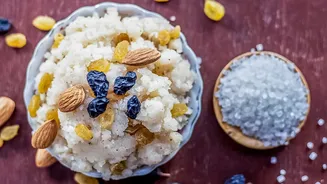
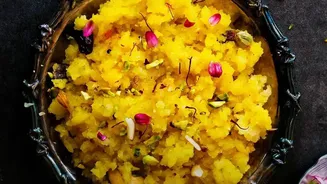
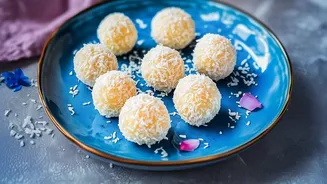
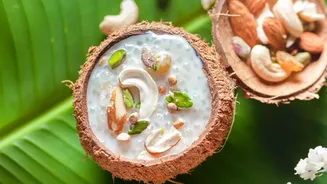
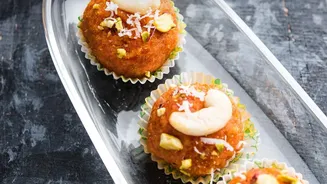
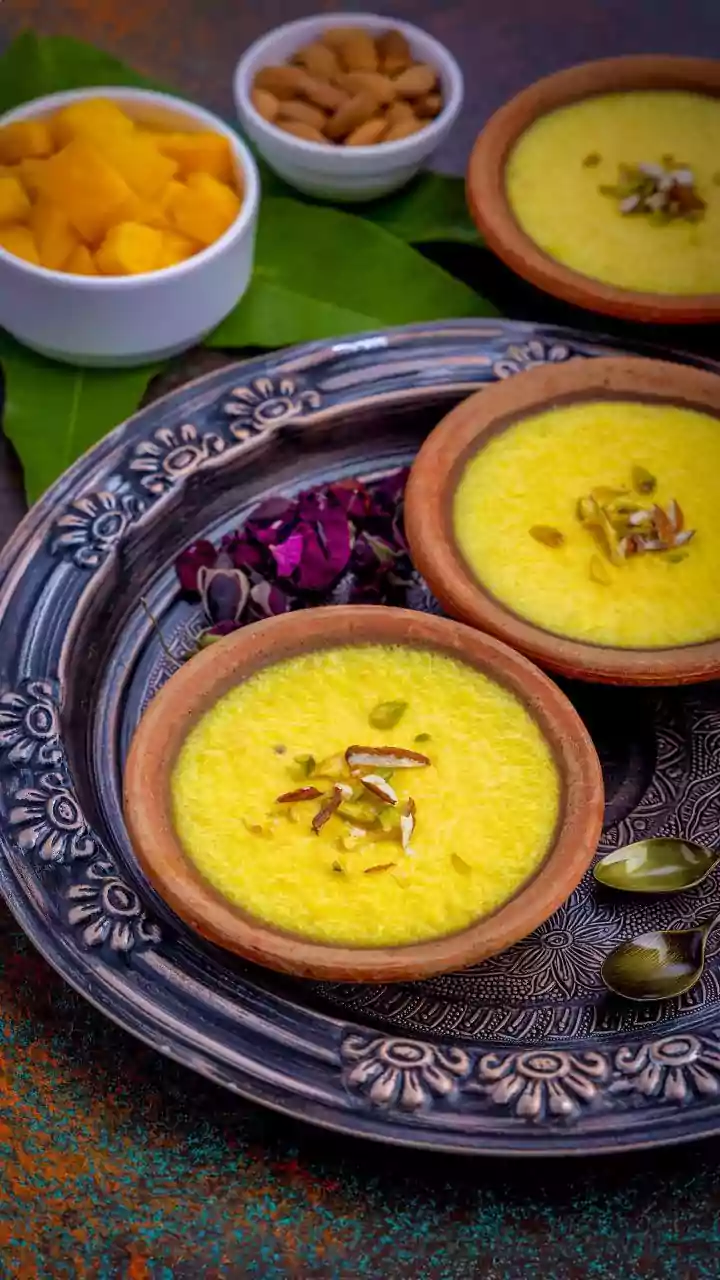
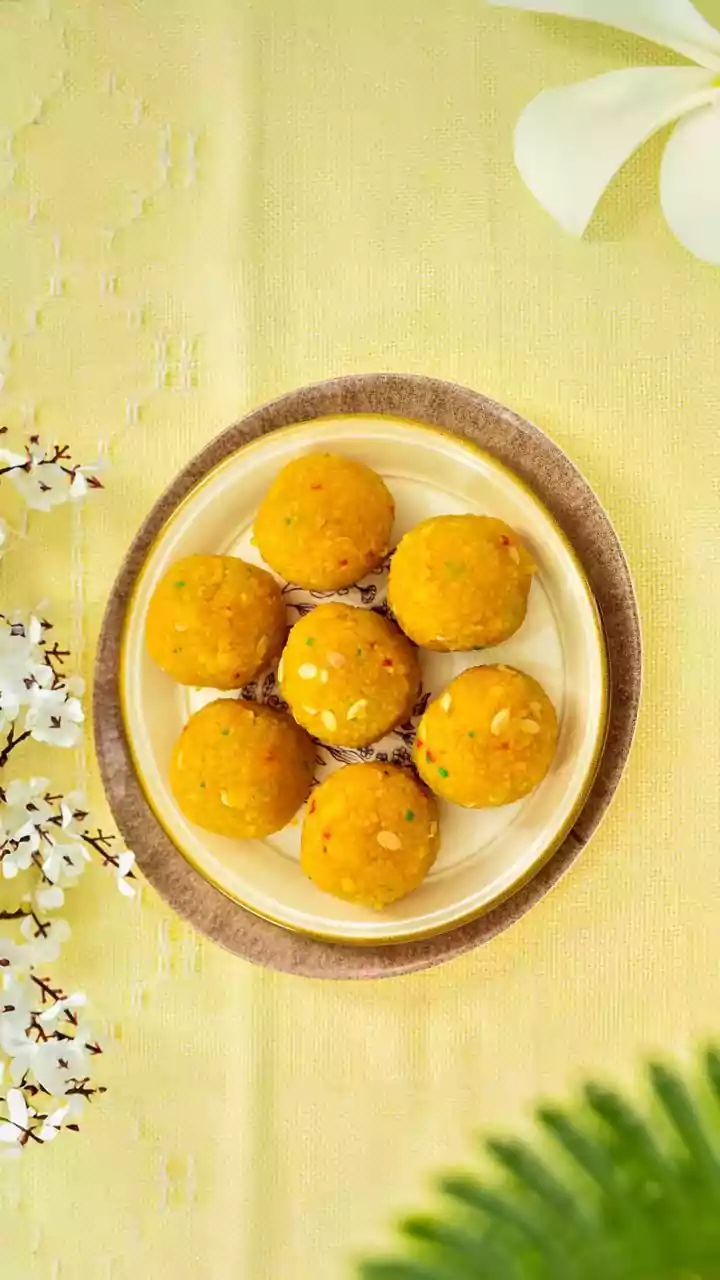
This new approach has given rise to an exciting array of modernised classics. Traditional motichoor laddoos are being reimagined with millet flour and sweetened with palm sugar. The beloved Kheer or Phirni now often features quinoa, oats, or makhana (fox nuts) instead of rice, simmered in almond milk for a lighter, protein-packed dessert. Other innovative recipes gaining popularity include Ragi Coconut Laddoos, baked (not fried) Gujiyas with a fruit-and-nut filling, and creamy barfis made from coconut and jaggery instead of condensed milk. Some are even experimenting with fusion ideas like Mango Shrikhand and Cocoa-Makhan bites, blending traditional flavours with contemporary tastes to create a truly modern festive platter.