







The New Face of Thrifting
Forget dusty, disorganized second-hand shops. Today’s thrifting culture in India is a vibrant, digital-first movement driven by Gen Z and millennials. Platforms like Instagram have become bustling marketplaces where sellers, often young entrepreneurs
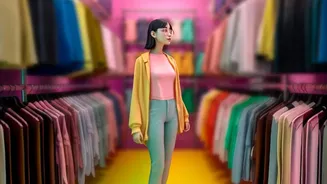
themselves, curate and sell pre-loved clothing. These online stores, with names like Bombay Closet Cleanse, MIRINWON, and AAINAA, operate with the speed and aesthetic of modern fashion brands. They announce “drops” of new items that sell out in minutes, fostering a sense of community and exclusivity that fast fashion giants struggle to replicate. This shift has transformed pre-owned clothing from a symbol of necessity into a badge of honour, signifying a rejection of the wasteful fast-fashion cycle.
A Quest for Individuality
One of the biggest drivers of this trend is the desire for unique personal style. In a world saturated with mass-produced clothing from fast-fashion retailers, many young people feel a sense of aesthetic fatigue. Thrifting offers an antidote: the chance to find rare denim, retro graphic tees, or vintage pieces that ensure they won't show up to an event wearing the same outfit as someone else. This search for individuality is about more than just clothes; it’s an extension of identity. For many, the appeal lies in the “treasure hunt” aspect of sifting through curated collections to find a piece with a history and a story, something that feels distinctly personal in an impersonal retail landscape.
Fashion with a Conscience
Beyond style, the thrift movement is deeply rooted in a growing consciousness about sustainability. The environmental impact of the fast-fashion industry, which is a major contributor to global carbon emissions and water pollution, is a significant concern for young consumers. India alone generates around 7,800 kilotonnes of textile waste annually. Producing a single cotton t-shirt can consume up to 2,700 litres of water, and toxic dyes often pollute rivers in textile hubs. By choosing to buy second-hand, shoppers actively participate in a circular economy, extending the life of garments and reducing the demand for new production. This makes thrifting a powerful act of protest against a system that promotes overconsumption and disposability.
The Digital Drop Culture
The experience of shopping from an online thrift store is a unique blend of e-commerce and social media engagement. Sellers build a following by creating a distinct brand aesthetic and engaging with their community. The process is often fast-paced: new collections are typically “dropped” at a specific time, and customers claim items by being the first to comment or send a direct message. Payment is usually handled through digital transfers. This model thrives on urgency and the fear of missing out, but it also builds a direct connection between seller and buyer. Many store owners source their items from export-surplus stock, people's closets, or by carefully picking through larger markets, then cleaning, and sometimes upcycling, the pieces before sale.
Challenges and the Road Ahead
While the online thrift market is booming, it’s not without its challenges. Issues like inconsistent sizing, quality assurance, and hygiene concerns can be a hurdle for some consumers. The business model, reliant on the hustle of individual sellers, also raises questions about scalability. However, the cultural shift it represents is undeniable. What began as a niche trend has evolved into a significant movement that champions affordability, individuality, and ethical consumption. As more urban youths embrace this way of shopping, they are not only changing their own wardrobes but also sending a powerful message to the entire fashion industry about the future of style.