

The Solar System’s Ocean Worlds
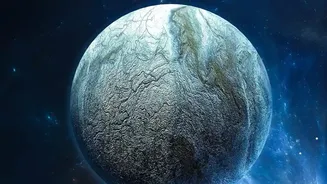
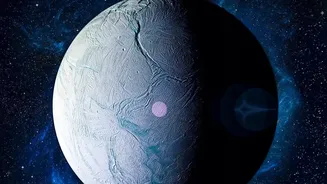
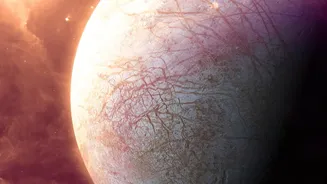
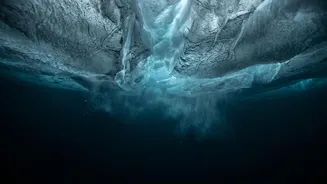
For decades, scientists have dreamed of what might lie beneath the icy shells of Europa and Enceladus. Both moons are heated not by the sun, but by the immense gravitational pull of their giant parent planets, Jupiter and Saturn. This constant stretching
and squeezing generates enough internal heat to maintain vast, global oceans of liquid salt water. On Earth, wherever we find water, we find life. This simple fact has made these distant, frozen worlds the most compelling targets in our search for extraterrestrial biology. Enceladus even shoots giant plumes of water vapor and ice particles from its ocean into space through cracks in its surface, offering a tantalizing opportunity to sample its contents without even having to land.
What Did the Scans Actually Find?
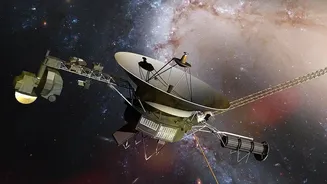
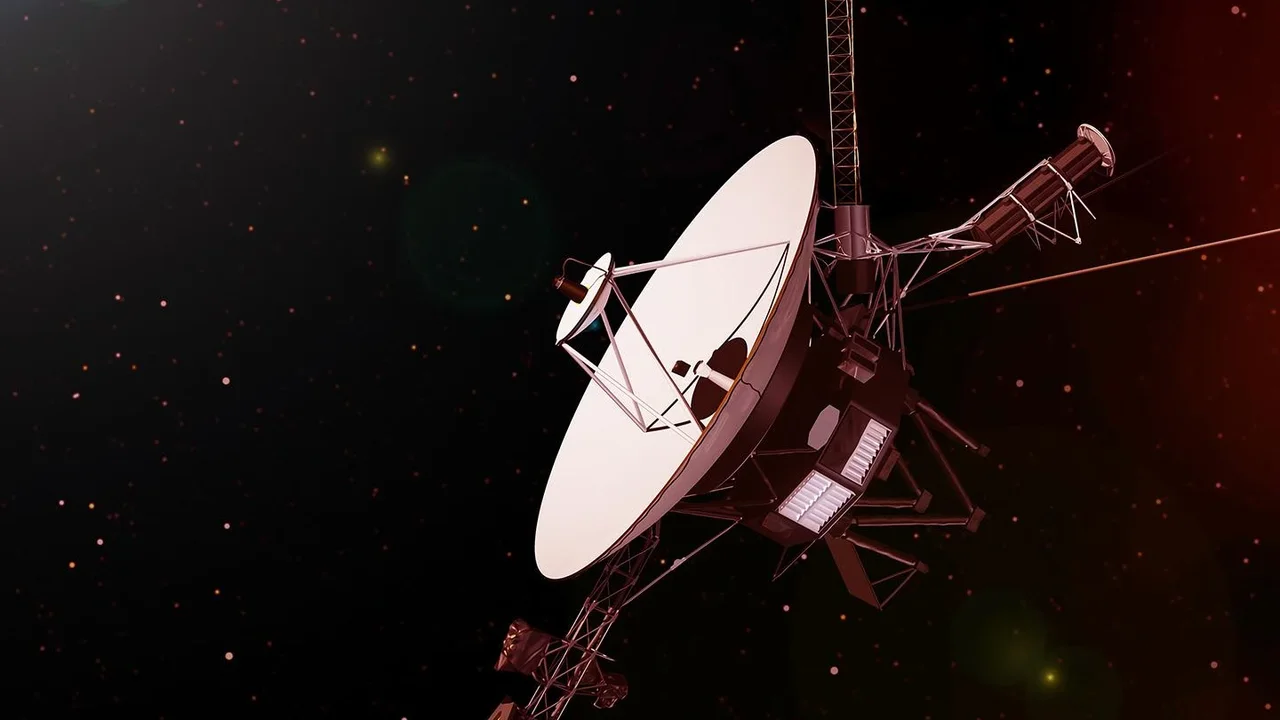
The headline-making excitement comes from new analysis of old data, primarily from NASA's Cassini mission which studied Saturn and its moons. Recent studies have re-examined the composition of ice grains that Cassini flew through as they erupted from Enceladus. Scientists found a diverse collection of complex organic compounds—molecules containing carbon, which are the fundamental building blocks of life on Earth. These aren't just simple chemicals; some are nitrogen- and oxygen-bearing compounds, including types like esters and ethers that can be part of lipids, which form cell membranes. Crucially, these molecules were detected in 'fresh' ice that was just ejected from the subsurface ocean, suggesting they are genuinely present in the water below and not just a product of space radiation altering older particles.
The Ingredients for Life
Finding complex organic molecules is a giant leap forward, but it's not the whole story. For an environment to be considered habitable, scientists look for three key ingredients: liquid water, a source of energy, and the right chemical components. We already knew Europa and Enceladus had liquid water. Now, we have strong evidence for the chemical building blocks. The energy source is believed to come from hydrothermal vents on the moons' seafloors, similar to those in Earth’s deepest oceans where entire ecosystems thrive on chemical energy in total darkness. The presence of certain molecules in the Enceladus plumes suggests active chemistry, potentially powered by such vents. While we haven't seen the vents directly, the chemistry we can see points to a dynamic ocean environment.
Possibility, Not Proof
This is where we need to manage our expectations. Finding the building blocks of life is not the same as finding life itself. These complex organic molecules could, in theory, be created by non-biological chemical reactions. Some research suggests that the intense radiation environment around the moons could produce some of these molecules without any living process involved. Scientists are cautious, emphasizing that while the discoveries make Enceladus and Europa more compelling, they also complicate the picture. We have found a 'habitable' environment, but we have not yet found inhabitants. The headline says 'possible alien life' for a reason; the possibility is stronger than ever, but the proof remains elusive.
What Happens Next?
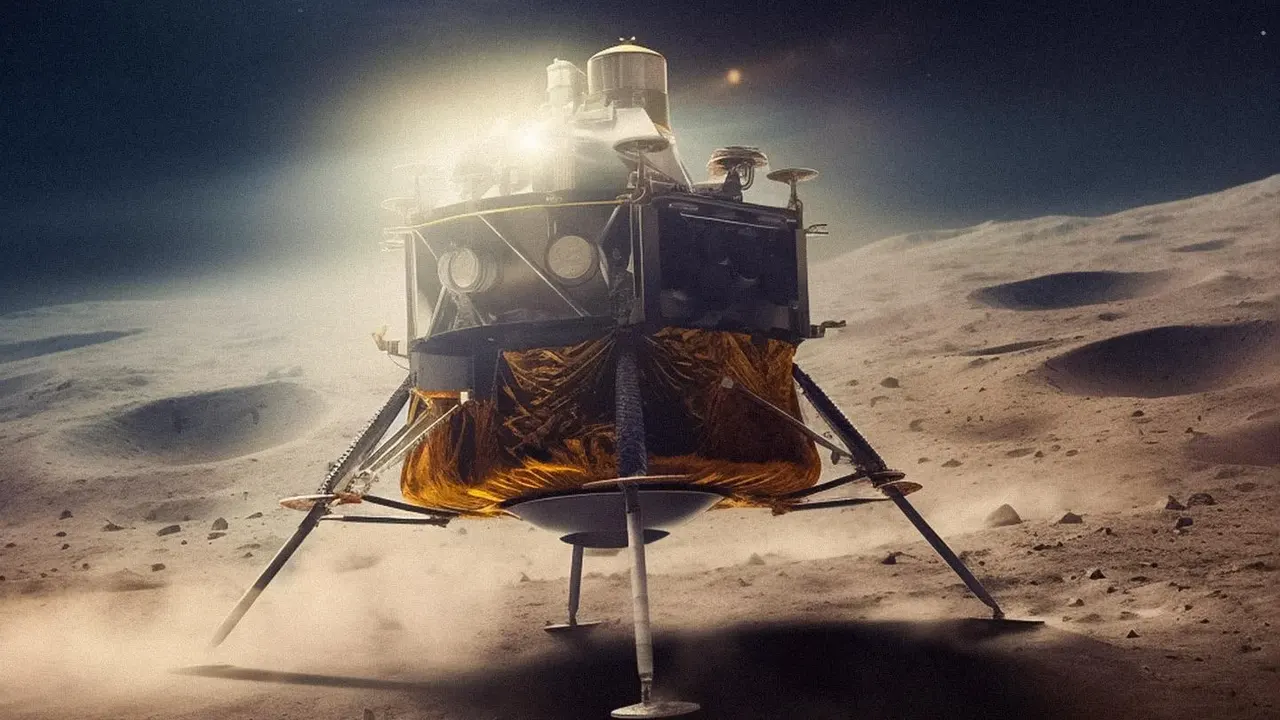
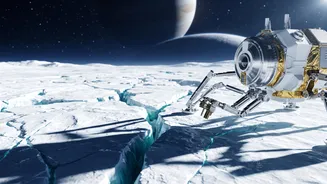
The next step is to go back with more advanced tools. NASA's Europa Clipper mission is already on its way to Jupiter to perform dozens of close flybys of Europa, studying its ice shell, magnetic field, and any potential plumes in unprecedented detail. While there is some recent debate about the definitive existence of Europa's plumes, the mission is designed to investigate all possibilities. For Enceladus, scientists are designing future missions with the express purpose of flying through its plumes with instruments specifically designed to detect biosignatures—tell-tale chemical signs that can only be produced by life. A future lander that could drill a short distance into the ice is also a long-term goal, especially since recent studies suggest biosignatures like amino acids could survive near the surface. The search is just beginning.