
The majestic call of the Himalayas has long been answered by Indian adventurers seeking challenge and serenity. But a recent spike in emergency rescues is forcing a harsh reckoning, with Nepal signalling an end to leniency for unprepared trekkers.
A Shift in Mountain Policy
For
years, trekking in Nepal was a pursuit defined by freedom. Adventurers could choose a trail, hire a guide and porter or not, and set off into the wilderness. That era is rapidly closing. Alarmed by a consistent pattern of trekkers, including a significant number of Indians, going missing or requiring urgent evacuation, Nepalese authorities have been tightening regulations. The most significant move has been the mandatory requirement of a licensed guide for most foreign trekkers, effectively ending solo trekking on many popular routes. This policy is the government's first major step in enforcing a higher standard of safety, ensuring that every group is accompanied by a professional who understands the terrain, weather, and symptoms of altitude sickness. The message is clear: the mountains are no longer a place for impulsive, ill-planned journeys.
The Soaring Cost of Rescue
Behind this policy shift is the immense strain that rescue operations place on Nepal's resources. A single helicopter evacuation in the high Himalayas can cost thousands of dollars, a fee often passed on to the trekker or their insurance provider. When rescues become a daily occurrence during peak season, the system is pushed to its limit. These are not just financial burdens; they tie up limited aviation resources and put pilots and rescue teams at considerable risk. Officials have grown weary of operations launched for what they deem avoidable situations, such as trekkers ignoring weather warnings, straying from marked paths, or attempting routes far beyond their physical capabilities. The discussion of penalties stems from a desire to curb this misuse of emergency services, reserving them for genuine, unforeseeable accidents rather than as a backup plan for recklessness.
A Question of Preparedness
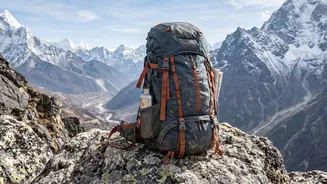
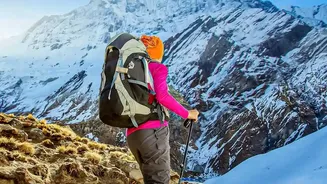
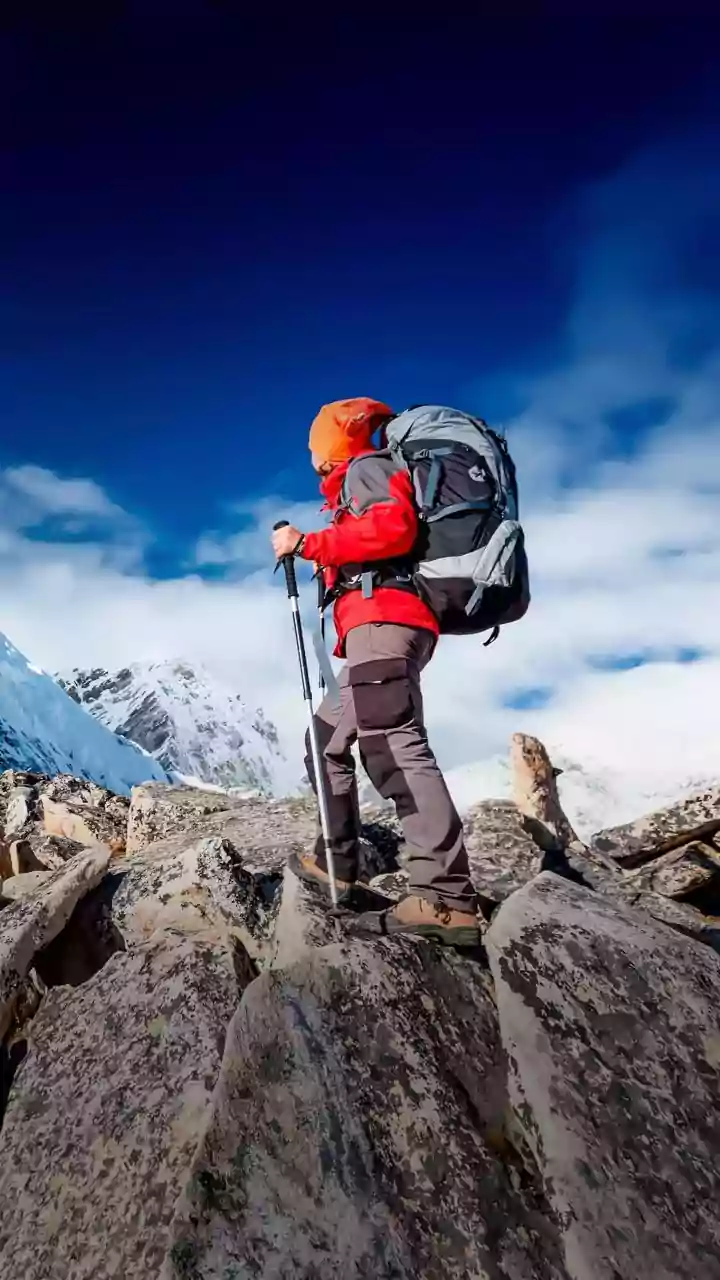
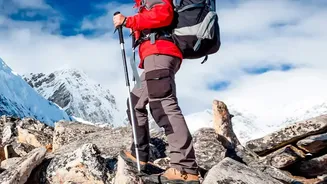
At the heart of the issue is a gap between ambition and preparation. The accessibility of stunning Himalayan vistas, amplified by social media, has attracted a new wave of trekkers. While their enthusiasm is welcome, many arrive without adequate gear, physical conditioning, or an understanding of the risks. Stories abound of tourists attempting high-altitude treks in sports shoes, without proper acclimatization schedules, or lacking basic essentials like waterproof layers and emergency rations. It is this lack of foresight that often turns a manageable difficulty, like a twisted ankle or mild altitude sickness, into a full-blown emergency requiring costly evacuation. Authorities and local trekking agencies argue that if trekkers invested more in preparation, the number of rescue incidents would dramatically fall. Consequently, the idea of imposing fines for negligence is gaining traction as a tool to enforce personal responsibility.
Why the Focus on Indian Trekkers
The headline-grabbing focus on Indian trekkers is not a case of discriminatory policy, but one of simple demographics. As neighbours with an open border and deep cultural ties, Indians constitute one of the largest, if not the largest, groups of tourists in Nepal. They flock to the Annapurna and Everest regions every season. Naturally, a larger number of visitors means they are statistically more likely to be involved in incidents. Furthermore, some officials have noted a trend among certain budget travellers, not exclusively Indian, to cut corners by avoiding hiring experienced guides or purchasing adequate travel insurance. As Nepal tightens its rules, Indian trekkers, by virtue of their sheer numbers, are the most visibly affected demographic. The new regulations are a universal mandate, but their impact is felt most profoundly within the Indian trekking community.