


A Gift Rooted in Heritage
To give a piece of traditional Indian pottery is to give a story that stretches back centuries, even millennia. From the ancient settlements of the Indus Valley Civilization to the vibrant artisan communities of today, pottery has been a constant and
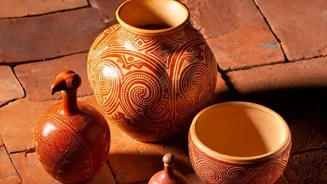
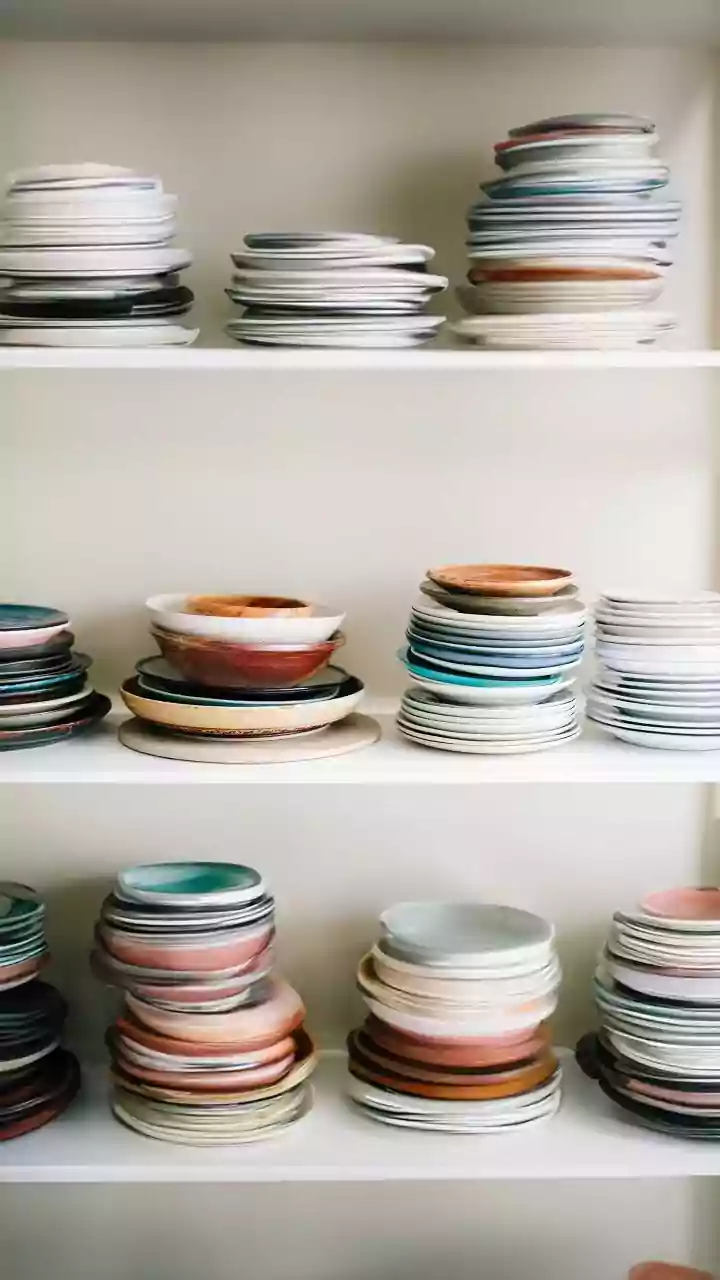
tangible element of Indian culture. Each region boasts its own unique style, a dialect of clay and glaze. Consider the iconic cobalt hues of Jaipur's Blue Pottery, a craft with Turko-Persian origins that found a home in Rajasthan. Or the earthy, reddish-brown terracotta from West Bengal, used to craft everything from simple vessels to the revered Bankura horse figurines. Whether it's the distinctive black pottery of Nizamabad or Manipur's wheel-free Longpi craft, each piece is a narrative of its place of origin, shaped by local customs and history. This makes the gift not just an object, but a piece of cultural geography.
The Irreplaceable Artisan's Touch
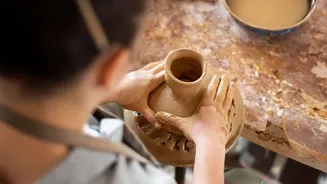
In an era of mass production, the true distinction of handmade pottery lies in its imperfections and the human touch embedded within. Unlike factory-made items, no two pieces of handmade pottery are ever exactly alike. Every curve, swirl of glaze, and subtle variation tells the story of its creation at the hands of a skilled 'kumhar' or potter. This process—transforming a simple lump of clay into a functional work of art—is a testament to skill passed down through generations. Gifting such an item sends a message of thoughtfulness and appreciation for true craftsmanship. It shows you've chosen something unique, valuing the time, dedication, and artistry involved, making the gift deeply personal and memorable.
A Blend of Beauty and Utility
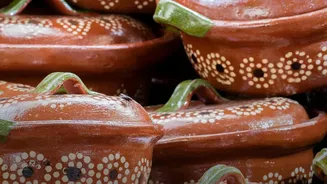
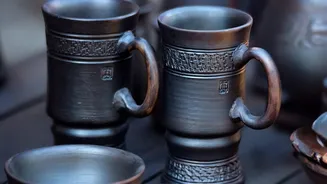
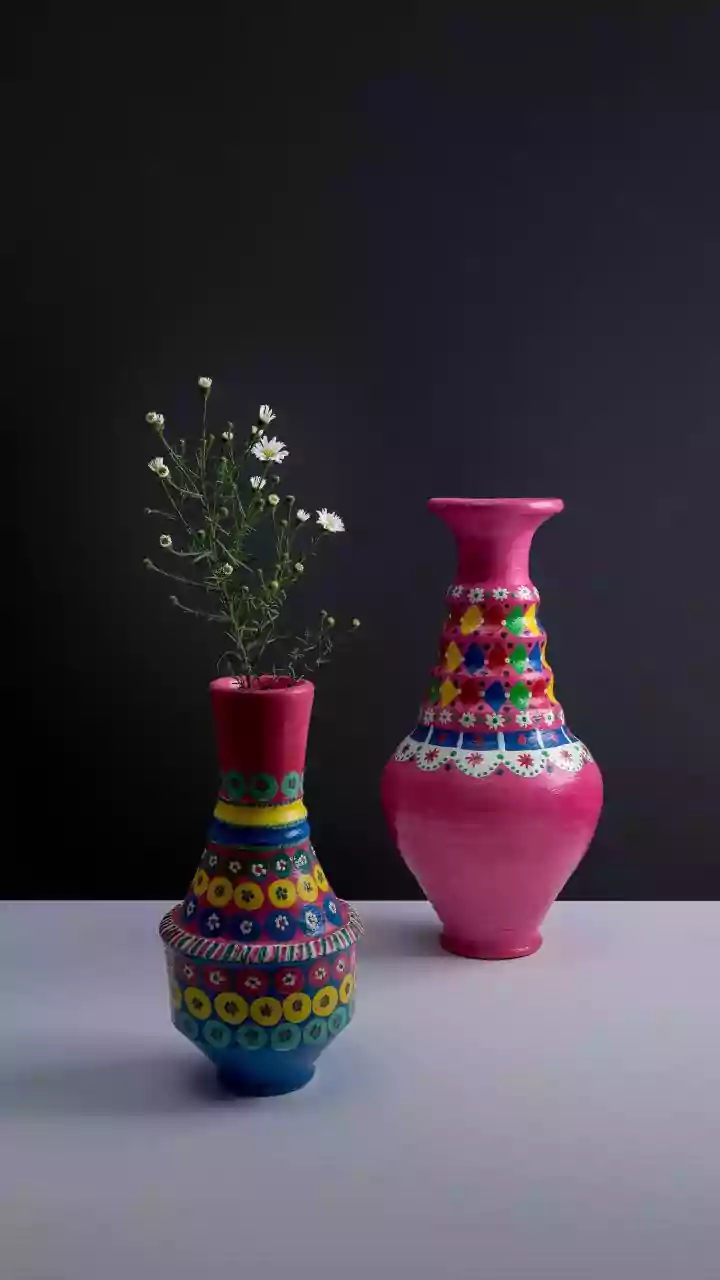
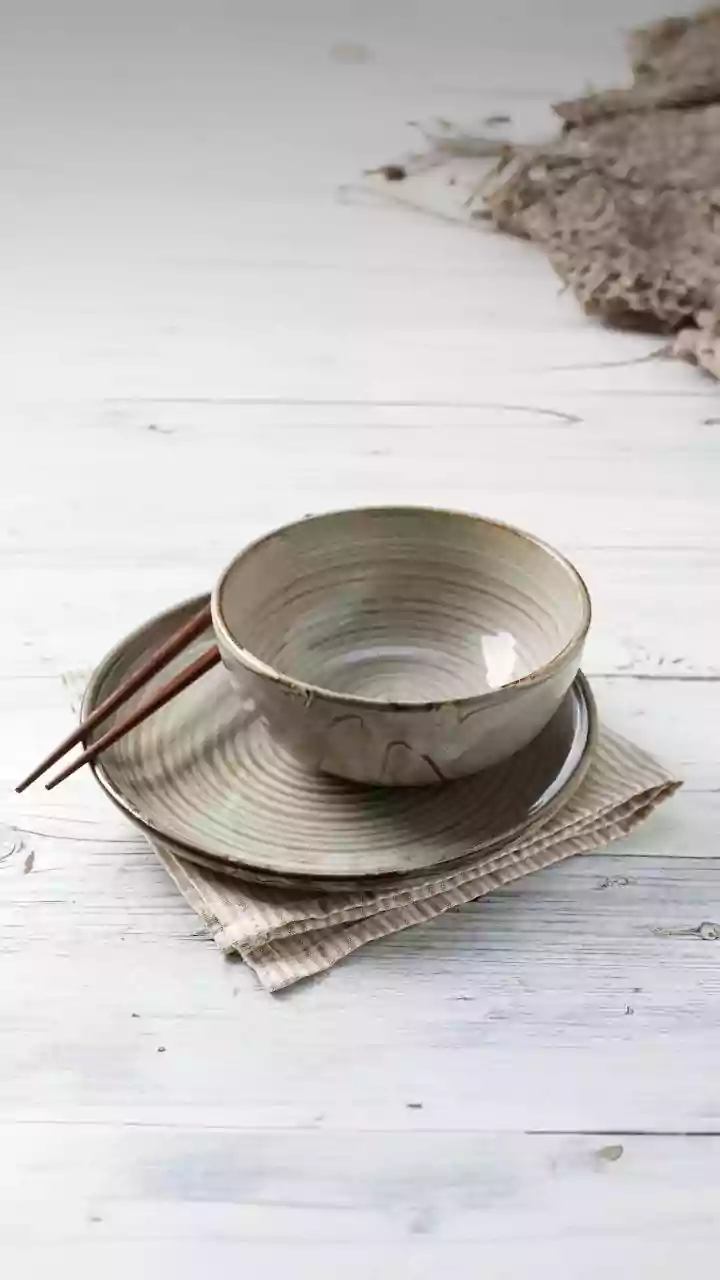
Traditional pottery is more than just decorative; it’s inherently functional. Gifting a beautiful ceramic vase, a set of hand-thrown mugs, or a decorative urli bowl for floating flowers provides something that can be integrated into daily life. This blend of aesthetic appeal and practicality is a key reason for its growing popularity. Furthermore, using earthenware, particularly for cooking and storage, comes with a host of benefits. Clay's porous nature allows for slow, even cooking that helps retain the food's moisture and nutrients. Cooking in a clay pot can also naturally enhance flavours, giving dishes an earthy aroma. Foods cooked in clay are often easier to digest because the alkaline nature of clay can help balance the acidity of the food. Storing water in a clay pot is an age-old practice that keeps water naturally cool and imbues it with minerals.
An Eco-Conscious Choice
In a world increasingly focused on sustainability, traditional pottery is an inherently eco-friendly choice. Made from natural clay, these items are biodegradable and return to the earth with minimal environmental impact, a stark contrast to plastic or metal alternatives. Many artisans use environmentally safe, non-toxic glazes, ensuring their products are safe for both the user and the planet. By choosing a handcrafted pottery gift, you are also supporting a model of consumption that values durability and longevity over disposability. These sturdy, well-crafted items are made to last for years, even generations, reducing waste and promoting a more mindful approach to living. It’s a gift that aligns with a desire for a greener, more sustainable lifestyle.
The Modern-Day Revival
Far from being a relic of the past, Indian pottery is experiencing a vibrant renaissance. A new generation of artisans and designers is breathing fresh life into ancient forms, blending traditional techniques with contemporary aesthetics to create pieces that resonate with modern homes. This fusion has cemented pottery's place as a symbol of cultural pride and sophisticated taste, particularly among urban consumers seeking to connect with their heritage. This revival ensures that when you gift a piece of pottery, you are not just honouring a tradition but also participating in its living, evolving story. It is a gift that is simultaneously timeless and perfectly suited for the present moment.