



The Allure and the Unseen Dangers
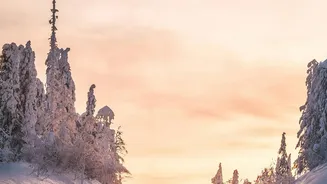
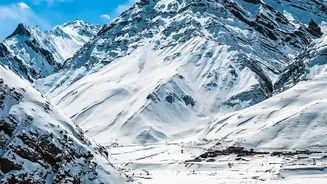
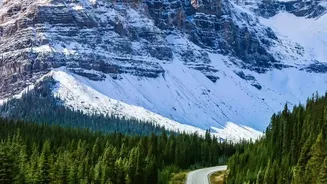
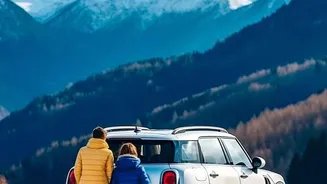
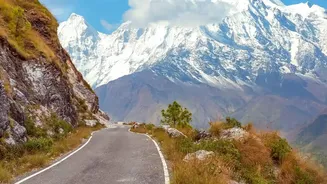
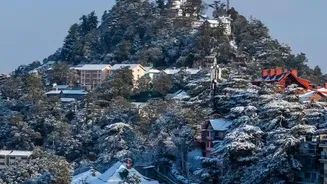
A winter road trip through regions like Himachal Pradesh, Uttarakhand, or Ladakh offers breathtaking views of snow-covered peaks and frozen lakes. The crisp air and serene environment are a major draw for adventurers. However, the beauty masks significant
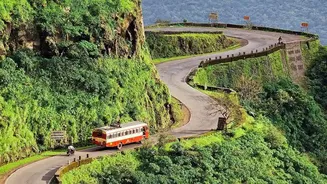
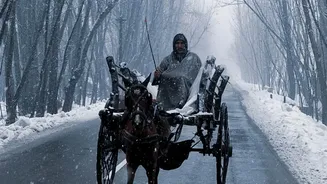
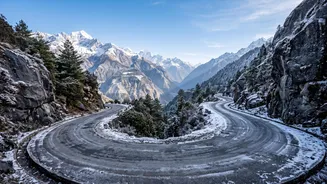
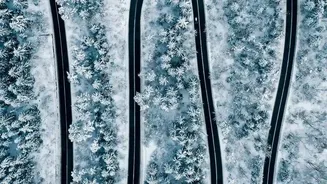
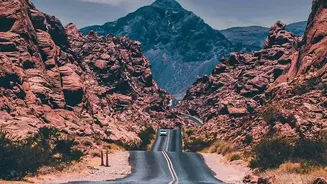
risks. The primary challenge is not just the snow, but the hazardous conditions it creates. 'Black ice'—a transparent, thin layer of ice that makes the road look merely wet—is a frequent and invisible danger, drastically reducing tyre grip and leading to skids. Roads in mountainous areas are often narrow, winding, and may lack protective barriers, making any loss of control extremely dangerous. Avalanches and landslides are also a constant threat, capable of blocking routes for days.
Your Vehicle: The Most Critical Gear
Your car isn't just transport; it's your lifeline. Before starting, a thorough vehicle check-up is non-negotiable. Cold weather can strain a car's battery, making it harder to start. Ensure your coolant has the correct antifreeze-to-water ratio to prevent the engine block from cracking in sub-zero temperatures. Tyres are your only contact with the road, so inspect them for wear and ensure they are properly inflated. For areas with heavy snow, like the routes to Spiti or Auli, carrying snow chains is mandatory and can be a trip-saver. Also, check that your headlights, taillights, and especially fog lamps are in perfect working order for low-visibility conditions.
Driving Techniques for Ice and Snow
Driving in winter conditions requires a different mindset. Every input—accelerating, braking, and steering—should be gentle and smooth. Sudden movements can cause a loss of traction on icy surfaces. When navigating turns, it's crucial to brake before the corner and accelerate only after you have straightened out. Maintain a much larger distance than usual from the vehicle in front to account for longer braking distances on ice. In foggy conditions, use your low beams and fog lights, as high beams can reflect off the fog and impair your vision further. If you encounter black ice, the key is to do as little as possible: ease off the accelerator and keep the steering wheel straight until you regain traction.
Packing Beyond Just Warm Clothes
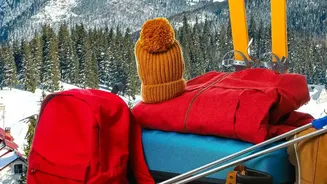
While layers of warm clothing, waterproof jackets, and insulated boots are essential, your packing list needs to account for emergencies. An emergency kit should include a first aid kit, high energy snacks, and water. Since you could be stranded due to a road closure, carry extra blankets or a sleeping bag for warmth. A powerful torch with spare batteries, a portable power bank for your phone, and a small shovel are also crucial. Other useful items include an ice scraper, jumper cables, and even a bag of sand or cat litter to provide traction if your wheels get stuck in the snow.
Stay Updated and Remain Flexible
Weather in the mountains can change in an instant. A sunny morning can quickly turn into a blizzard. Therefore, checking for real time information is vital. Don't rely on a single weather app. Use official sources like the India Meteorological Department's (IMD) regional websites for Shimla and Dehradun. Local district administration and police social media handles often provide the most current updates on road closures and traffic restrictions. It's also wise to have buffer days in your itinerary. Roadblocks due to snowfall are common, and being rigid with your schedule can lead to taking unnecessary risks. Always call your hotel or next stay a day ahead to ask about local conditions.