




Planning Your Dual-Purpose Planter
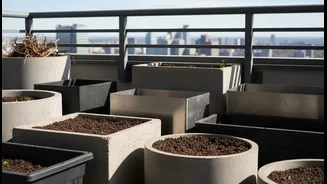
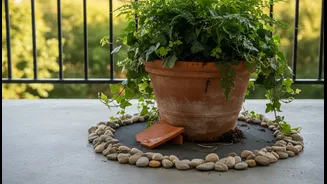
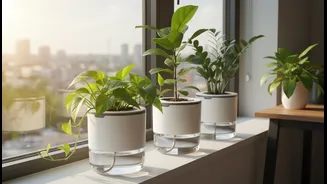
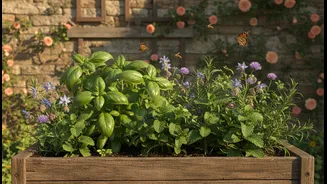
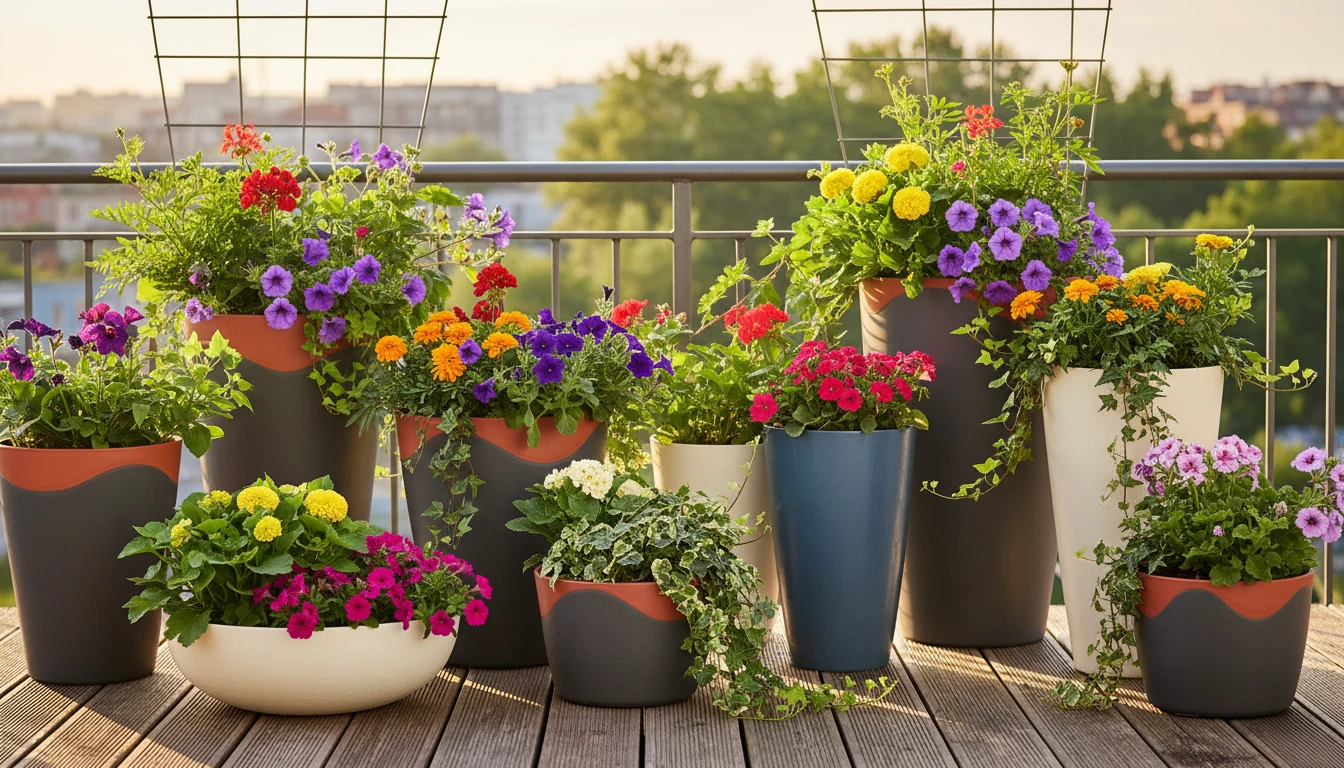
Creating a garden that serves both you and nature is simpler than you think, and it all starts with a pot. You don't need a large yard; a container on a sunny balcony or patio is perfect. Choose a pot with good drainage holes to prevent waterlogging.
Fill it with a quality, all-purpose potting compost. Most herbs thrive in a spot that gets at least six hours of direct sunlight per day. When planning, think in terms of variety. Planting different herbs that flower at different times will create a continuous food source for pollinators from spring through autumn.
The Best Herbs for Kitchen and Pollinators
The key is to select herbs that are delicious for you and whose flowers are irresistible to pollinators. Many common culinary herbs are perfect for this double duty.
Basil (and Tulsi): A staple in Indian kitchens, basil varieties produce clusters of small white or purple flowers that bees adore. Let a few stems flower while you harvest from others.
Mint (Pudina): This vigorous grower is best kept in a pot to control its spread. Its tiny flowers are a magnet for bees and hoverflies.
Coriander (Dhania) and Dill: These are fantastic because you can use the leaves, and when they bolt (flower), the delicate blooms attract tiny beneficial insects. If you let them go to seed, you get coriander seeds from the cilantro plant.
Rosemary: This woody, fragrant herb produces lovely blue flowers early in the season, providing a food source for emerging bees.
Oregano and Thyme: These hardy Mediterranean herbs produce masses of tiny flowers that are often buzzing with activity. Flowering oregano, in particular, is a pollinator hotspot.
Borage: Known as the 'starflower', borage is an all-star for bees. Both the leaves, which have a cucumber-like taste, and the beautiful blue flowers are edible.
Stage One: Planting and Harvesting for You
The first stage of your planter’s life is all about providing for your kitchen. Once your herbs are established, begin harvesting them regularly. Frequent trimming encourages the plants to become bushier and more productive. The best time to harvest leaves is in the morning, right after the dew has dried, as this is when their essential oils are most concentrated, giving you the best flavour. The golden rule is to prune, not just pick. Snip stems just above a set of leaves. This signals the plant to branch out, creating a fuller, healthier plant. Try not to harvest more than one-third of the plant at a time to ensure it has enough foliage to continue growing strong.
Stage Two: The Shift to Flowering for Pollinators
As summer progresses, you can begin the transition to stage two. Instead of pinching off every flower bud to prolong leaf production, intentionally let some of your herbs bolt. Bolting is the natural process where a plant sends up a flower stalk to produce seeds. While this can make the leaves of some herbs taste more bitter, the flowers it produces are a vital source of nectar and pollen for pollinators. A good strategy is to have multiple plants of the same herb. Dedicate some for continuous harvesting and allow others to flower freely. This way, you don't have to sacrifice your supply of fresh basil for pesto, but you can still offer up a feast for the local bee population.
Maintaining a Thriving Ecosystem
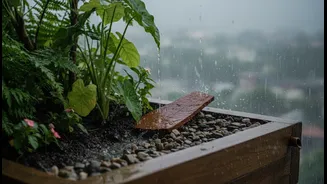
Maintaining your dual-purpose planter is straightforward. Water consistently, especially during hot weather, as containers can dry out quickly. Avoid using pesticides, as these can be harmful to the pollinators you're trying to attract. If you notice pests, try natural solutions first. As some plants, like coriander or dill, finish their life cycle after flowering and setting seed, you can collect the dried seeds for your spice rack or for sowing a new crop. For perennial herbs like mint and rosemary, a light trim after they finish flowering can help them stay healthy. This small-scale ecosystem not only provides flavours and fragrance but also the immense satisfaction of supporting the tiny creatures that are essential to our environment.