





From Rustic Tradition to Minimalist Trend
For centuries, Indian pottery was primarily functional—sturdy terracotta matkas for storing water, simple diyas for festivals, and unglazed vessels for cooking. While this rustic charm is timeless, the aesthetic of the modern Indian home has evolved.
Urban spaces, often compact and designed with clean lines, demand decor that is intentional and clutter-free. Responding to this, a new generation of potters and ceramic artists is reimagining tradition. They are moving away from heavily ornate patterns and embracing minimalism, creating pieces defined by simple forms, clean lines, and a 'less is more' philosophy. This shift isn’t about abandoning heritage, but reinterpreting it for a new context, where every object in the home has a purpose and a story.
A Softer, Earthier Colour Palette
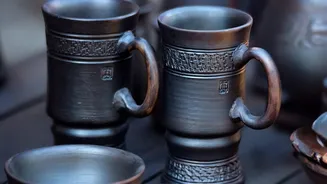
Traditional pottery often bursts with vibrant colours, from the iconic cobalt of Jaipur Blue Pottery to the rich reds of rural terracotta. Today’s artisans, however, are exploring a more subdued and earthy colour palette that complements modern interiors. Muted tones like beige, soft grey, olive green, and warm terracotta are becoming staples. These colours create a sense of calm and ground a space, pairing beautifully with the natural materials like wood, linen, and stone that are popular in contemporary design. The focus is on matte or satin glazes rather than high gloss, adding a layer of texture and sophistication. This subtle approach allows the form and material of the pottery itself to shine.
Celebrating Imperfection and Organic Forms
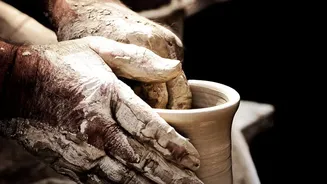
In a world of mass-produced goods, the unique, handcrafted object has become a symbol of luxury and authenticity. Modern Indian potters are leaning into this by celebrating the beauty of imperfection, a concept often associated with the Japanese philosophy of 'wabi-sabi'. Instead of perfect symmetry, they are experimenting with fluid, asymmetrical, and organic shapes that highlight the maker's touch. Slight variations in the glaze, the subtle imprint of a fingerprint, or an uneven edge are no longer seen as flaws but as marks of character that make each piece one-of-a-kind. These sculptural pieces—whether a statement vase or a simple bowl—act as functional art, bringing a soulful, personal element into a room.
Function Reimagined for Modern Lifestyles
While decorative pottery is on the rise, function remains at the core of this craft's evolution. Artisans are adapting traditional forms for contemporary needs, blending aesthetics with practicality. This includes everything from minimalist tableware designed for daily use to stylish ceramic planters for urban balconies. We are also seeing a rise in new kinds of functional art, such as handcrafted ceramic diffusers, incense holders, and elegant candle holders that cater to modern wellness rituals. These pieces are designed to be beautiful enough to be left on display, seamlessly integrating into the home's decor rather than being hidden away in a cabinet.
The Studio Potters Leading the Change
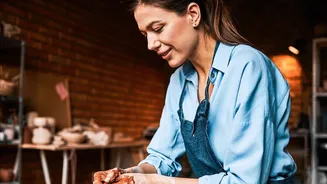
This ceramic renaissance is being driven by a vibrant community of studio potters across India. From collectives in Auroville to urban studios in Bengaluru and Delhi, these artists are the bridge between the past and the future. They are reviving ancient techniques, experimenting with new firing methods, and even using technology to prototype designs. Many studied design formally, bringing a modern sensibility to a traditional craft. By choosing to buy from these local artisans, homeowners are not just acquiring a beautiful object; they are supporting a creative ecosystem, preserving invaluable skills, and bringing a piece with a genuine story into their homes.