


The Rise and Grind of Sourdough
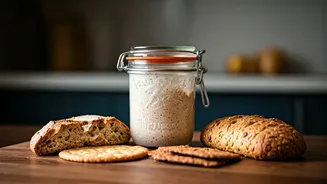
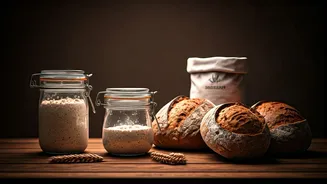
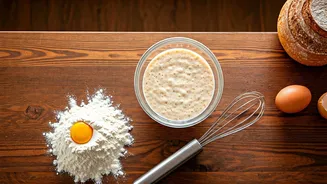
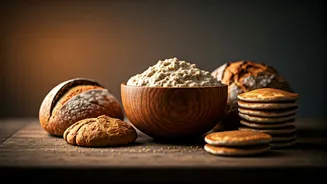
Not long ago, a bubbling jar of sourdough starter was the ultimate kitchen status symbol. Home bakers across India and the world embraced the challenge of creating the perfect artisanal loaf. The process was a rewarding ritual: the daily feedings, the gentle
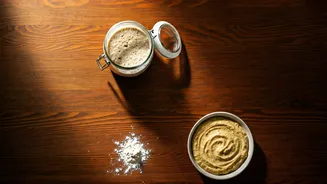
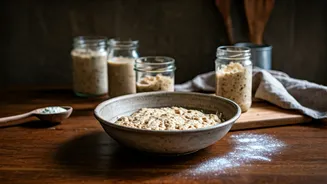
folds, the long, patient fermentation, and finally, the triumph of a crusty, airy loaf. But the romance of the routine came with a relentless commitment. Maintaining a healthy starter requires regular feeding, and each feeding involves removing and typically throwing away a portion of it to keep the culture vigorous and its acidity in check. This portion is known, rather unceremoniously, as the “discard.”
The Problem of Perpetual Discard
For many, the initial enthusiasm for baking bread waned as the reality of daily maintenance set in. The discard became a nagging problem. Tossing out a cup of perfectly good flour and water mixture every day felt incredibly wasteful, not to mention expensive as ingredient costs rose. For a while, this was simply the accepted cost of the hobby. The discard was seen as a necessary but useless byproduct, a ghost of starters past haunting the kitchen counter. Many bakers found themselves with more discard than they knew what to do with, leading to what some called 'sourdough fatigue'. The focus was so intensely on the final loaf that the potential of this flavourful goop was completely overlooked.
From Waste to Wonder Ingredient
The shift began when home bakers started asking a simple question: What if the discard isn't waste at all? This change in perspective has sparked a culinary movement. Sourdough discard, once destined for the compost bin, is now being celebrated as a versatile and exciting ingredient in its own right. Unlike an 'active' starter, which is used for its leavening power to make bread rise, discard is prized for the flavour and texture it imparts. It adds a tangy complexity, moisture, and tenderness to a huge variety of dishes, transforming them from ordinary to exceptional. This has opened up a whole new universe of baking possibilities that are faster and more spontaneous than a traditional loaf.
The Appeal of Speed and Simplicity
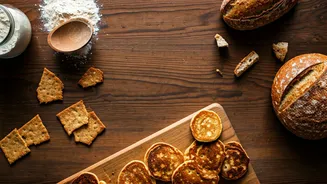
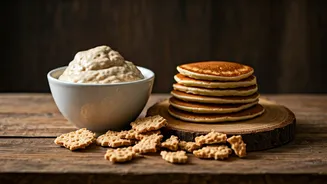
One of the biggest drivers of this trend is time. A sourdough loaf is a multi-day project, demanding patience and a precise schedule. Discard recipes, on the other hand, are often quick and forgiving. Think fluffy pancakes for a weekend breakfast, savoury crackers for an evening snack, or tender muffins that come together in under an hour. This convenience allows bakers to enjoy the flavour benefits of their sourdough starter without the long commitment, fitting more easily into busy modern lives. This pivot represents a move from project-based baking to everyday enhancement, making the sourdough hobby more sustainable in the long run.
A World of Creative Flavours
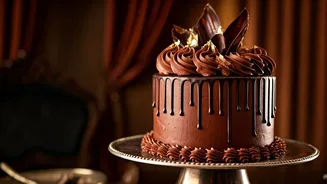
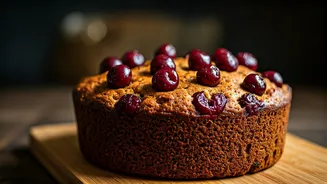
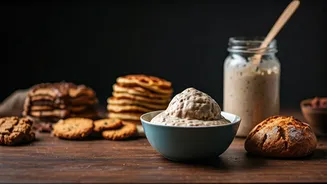
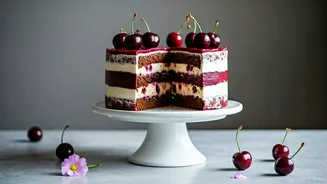
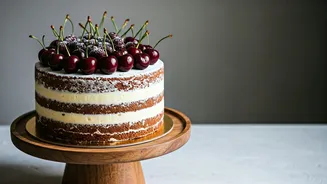
Beyond the practical benefits, the discard revolution is fuelled by creative freedom. While the perfect loaf is a technical achievement, it's still just bread. Discard recipes offer a boundless playground for flavour. Home bakers are now using it to make everything from flaky pie crusts and chewy cookies to rich chocolate cakes and savoury pizza bases. The discard can add a subtle tang that enhances the sweetness in a brownie or provide a cheesy note to crackers. This versatility has re-energised bakers who may have grown tired of the same bread recipe, encouraging them to experiment and infuse the unique character of their starter into all corners of their cooking.