


Why Your Balcony Needs Native Plants
In the heart of our concrete jungles, native plants are more than just decoration; they are a lifeline for local wildlife. These plants have evolved alongside our local birds, bees, and butterflies, providing the specific food and shelter they need to
thrive. Unlike exotic ornamentals, native species are perfectly adapted to the Indian climate, meaning they require less water, fewer pesticides, and less overall maintenance once established. By choosing native varieties, you are not just creating a beautiful view for yourself, but actively participating in rebuilding fragmented urban ecosystems and supporting biodiversity from your own home.
Hibiscus: A Classic Nectar Bar
The Hibiscus, with its large, trumpet-shaped flowers, is a quintessential choice for attracting sunbirds. These small, energetic birds are drawn to the generous supply of nectar hidden within the colourful blooms. Available in a dazzling array of reds, pinks, yellows, and oranges, the hibiscus adapts well to being grown in containers, making it perfect for balconies. To keep the flowers coming, ensure your plant gets at least five to six hours of direct sunlight daily and prune it regularly to encourage new growth. This steady production of blooms provides a reliable feeding station for visiting birds and a splash of tropical colour for your space.
Marigold: A Cheerful Pollinator Magnet
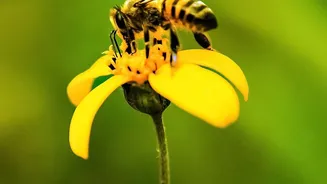
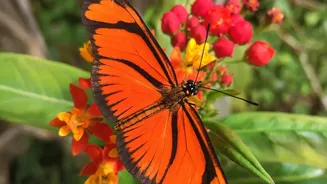
Bright, easy to grow, and wonderfully resilient, marigolds are a top choice for any pollinator-friendly balcony. Their sunny yellow and orange blossoms are rich in the nectar that attracts bees, butterflies like the Common Tiger, and other beneficial insects. Marigolds are tolerant of a wide range of Indian climate conditions and have long blooming periods, ensuring your balcony remains a colourful and active spot for much of the year. As an added bonus, they are known to naturally deter certain garden pests.
Curry Leaf Plant: A Host for Butterflies
More than just a kitchen staple, the Curry Leaf tree (Murraya koenigii) plays a vital role in the lifecycle of certain butterflies. It serves as a 'host plant', a specific place where butterflies like the Common Mormon lay their eggs and their caterpillars can feed. While the adult butterflies will visit other flowers for nectar, providing a host plant ensures you are supporting the entire butterfly generation. This small tree grows well in pots and its fragrant leaves will be a welcome addition to both your garden and your cooking.
Ixora: Dense Clusters for Tiny Beaks
Known for its dense, vibrant clusters of small, tubular flowers, Ixora is a sunbird favourite. Often seen in shades of bright red, orange, and pink, these nectar-rich blooms provide a consistent food source for visiting birds. Ixora is well-suited for container gardening and thrives in a sunny spot with soil that is kept moist but not waterlogged. With the right care, it flowers repeatedly throughout the year, keeping your balcony colourful while supporting the local bird population.
Butterfly Pea: The Fast-Growing Climber
For those looking to add some vertical greenery, the Butterfly Pea is an excellent choice. This fast-growing vine requires minimal space and can be trained along railings and grills to create a beautiful living screen. As its name suggests, it is a favourite of butterflies. The plant produces striking blue flowers, which are also edible and can be used to make herbal teas. It grows well in pots and provides both beauty and function for a compact urban space.
Simple Tips for a Thriving Oasis
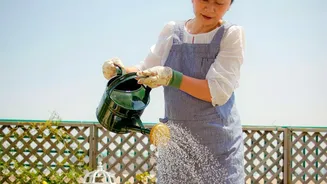
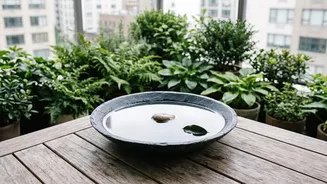
To ensure your balcony garden is a success, start with the right foundation. Choose pots with good drainage holes to prevent waterlogging, which is a common issue in container gardening. Grouping similar plants together can be more effective at attracting pollinators than scattering single plants around. Most importantly, provide a small, shallow dish of water with a few pebbles in it. This gives birds and bees a safe place to drink without the risk of drowning. Finally, avoid using chemical pesticides, as they can harm the very creatures you are trying to attract. Native plants are naturally more resistant to local pests, reducing the need for chemicals.