



The Festival: A Gateway to Coastal Culture
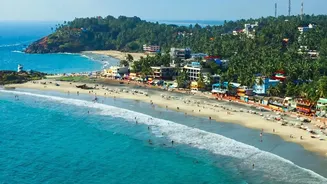
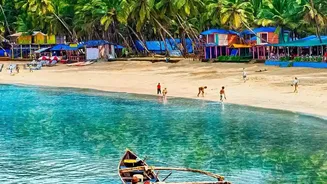
The Masula Beach Festival, held at the scenic Manginapudi Beach, is a vibrant showcase of Andhra Pradesh's coastal charm. Organised by the state's tourism department, the event transforms the shoreline into a bustling hub of activity. Visitors can expect
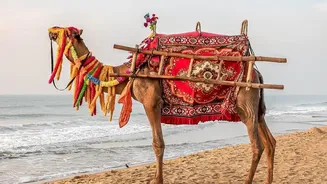
a packed schedule featuring everything from beach kabaddi and volleyball to thrilling water sports like jet skiing and sea kayaking. As the sun sets, the focus shifts to cultural performances with local artists and even stars from the Telugu film industry taking the stage. With hundreds of stalls, the festival is also a celebration of local cuisine and crafts, offering a taste of regional delicacies and a chance to see the area's famed Kalamkari art up close. It's designed as an energetic introduction to the spirit of Machilipatnam.
A Rich History Beyond the Shoreline
Once the festival crowds disperse, the true character of Machilipatnam, also known as Masula, begins to unfold. This is not just a beach town; it's a city steeped in centuries of history. As early as the 3rd century BC, it was a significant port for the Satavahana dynasty. Its strategic location on the Coromandel Coast later attracted European traders, with the Dutch, French, and British all establishing trade centres here. This layered history is visible in the town’s architecture and relics. You can explore the remnants of the Dutch fort, visit a historic Dutch cemetery, or see the old lighthouse that once guided ships into this bustling maritime hub. A walk through the town reveals a past where global trade routes shaped local life.
The Enduring Art of Kalamkari
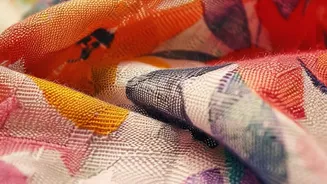
A trip to Machilipatnam is incomplete without exploring its most famous cultural export: Kalamkari textiles. The region is renowned for the Machilipatnam style of Kalamkari, which uses intricately hand-carved wooden blocks to print elaborate patterns onto fabric. Unlike the freehand-drawn style from Srikalahasti, this block-printed tradition focuses on decorative floral motifs and symmetrical designs with Persian influences, a legacy of ancient trade relationships. The nearby village of Pedana is a hub for this craft, which received a Geographical Indication (GI) tag in 2013, protecting its heritage. Visitors can see artisans at work, understand the painstaking process of using natural dyes, and purchase authentic fabrics directly from the source, making for a unique and meaningful souvenir.
Exploring Nature and Spirituality
Beyond the main festival beach, the area offers more tranquil natural and spiritual escapes. Manginapudi Beach itself is unique for its black soil and shallow, calm waters, making it ideal for relaxing walks. Just a short distance away, you can find other points of interest. The Panduranga Swamy Temple, dedicated to Lord Vishnu, is a major pilgrimage site in the area, known for its beautiful idol and bustling atmosphere during festivals. For a more serene experience, Dattashram is a holy site nestled along the coast with a temple dedicated to Lord Shiva. These spots offer a peaceful contrast to the high energy of the festival and showcase the region's deep-rooted spiritual culture.
Planning Your Extended Itinerary
Staying beyond the festival is easier than you might think. Machilipatnam and the area around Manginapudi Beach offer a range of accommodations, from budget-friendly hotels to comfortable resorts. The best time to visit aligns perfectly with the festival season, typically between October and March when the weather is pleasant. The town is well-connected by road, with frequent buses from major cities like Vijayawada, which is about 80 kilometres away. For getting around locally, auto-rickshaws are readily available. An ideal extended trip could last three to four days, giving you a day for the festival, a day to explore the historical sites and Kalamkari workshops, and another day to soak in the natural beauty and spiritual landmarks at a leisurely pace.